

Nanomaterials for Medical Imaging …
371
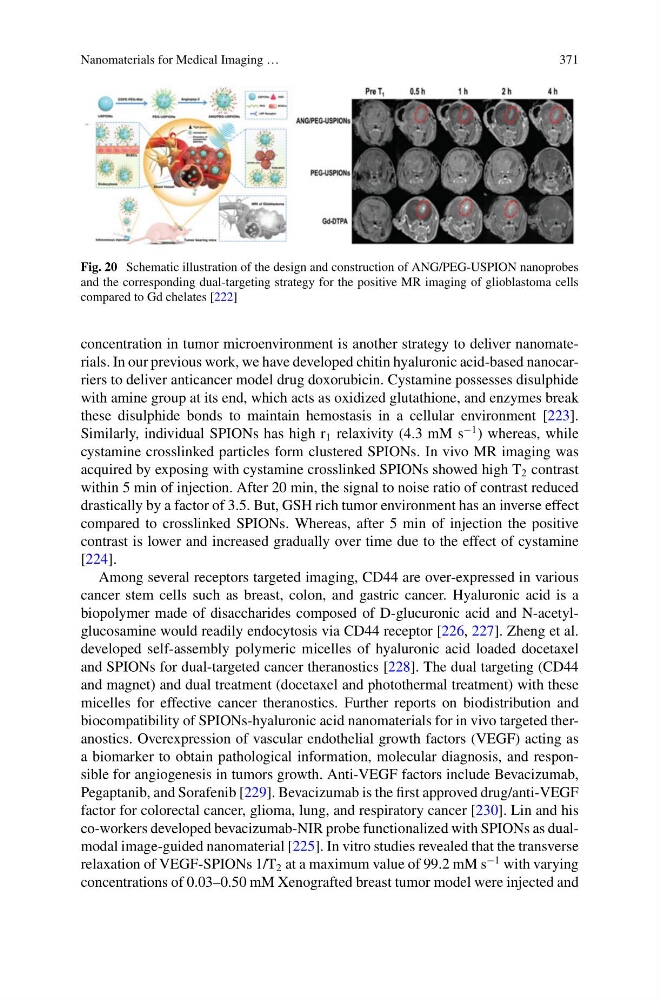
Fig. 20 Schematic illustration of the design and construction of ANG/PEG-USPION nanoprobes
and the corresponding dual-targeting strategy for the positive MR imaging of glioblastoma cells
compared to Gd chelates [222]
concentration in tumor microenvironment is another strategy to deliver nanomaterials. In our previous work, we have developed chitin hyaluronic acid-based nanocarriers to deliver anticancer model drug doxorubicin. Cystamine possesses disulphide
with amine group at its end, which acts as oxidized glutathione, and enzymes break
these disulphide bonds to maintain hemostasis in a cellular environment [223].
Similarly, individual SPIONs has high r 1 relaxivity (4.3 mM s
−1 ) whereas, while
cystamine crosslinked particles form clustered SPIONs. In vivo MR imaging was
acquired by exposing with cystamine crosslinked SPIONs showed high T 2 contrast
within 5 min of injection. After 20 min, the signal to noise ratio of contrast reduced
drastically by a factor of 3.5. But, GSH rich tumor environment has an inverse effect
compared to crosslinked SPIONs. Whereas, after 5 min of injection the positive
contrast is lower and increased gradually over time due to the effect of cystamine
[224].
Among several receptors targeted imaging, CD44 are over-expressed in various
cancer stem cells such as breast, colon, and gastric cancer. Hyaluronic acid is a
biopolymer made of disaccharides composed of D-glucuronic acid and N-acetylglucosamine would readily endocytosis via CD44 receptor [226, 227]. Zheng et al.
developed self-assembly polymeric micelles of hyaluronic acid loaded docetaxel
and SPIONs for dual-targeted cancer theranostics [228]. The dual targeting (CD44
and magnet) and dual treatment (docetaxel and photothermal treatment) with these
micelles for effective cancer theranostics. Further reports on biodistribution and
biocompatibility of SPIONs-hyaluronic acid nanomaterials for in vivo targeted theranostics. Overexpression of vascular endothelial growth factors (VEGF) acting as
a biomarker to obtain pathological information, molecular diagnosis, and responsible for angiogenesis in tumors growth. Anti-VEGF factors include Bevacizumab,
Pegaptanib, and Sorafenib [229]. Bevacizumab is the first approved drug/anti-VEGF
factor for colorectal cancer, glioma, lung, and respiratory cancer [230]. Lin and his
co-workers developed bevacizumab-NIR probe functionalized with SPIONs as dualmodal image-guided nanomaterial [225]. In vitro studies revealed that the transverse
relaxation of VEGF-SPIONs 1/T 2 at a maximum value of 99.2 mM s
−1 with varying
concentrations of 0.03–0.50 mM Xenografted breast tumor model were injected and
371
Fig. 20 Schematic illustration of the design and construction of ANG/PEG-USPION nanoprobes
and the corresponding dual-targeting strategy for the positive MR imaging of glioblastoma cells
compared to Gd chelates [222]
concentration in tumor microenvironment is another strategy to deliver nanomaterials. In our previous work, we have developed chitin hyaluronic acid-based nanocarriers to deliver anticancer model drug doxorubicin. Cystamine possesses disulphide
with amine group at its end, which acts as oxidized glutathione, and enzymes break
these disulphide bonds to maintain hemostasis in a cellular environment [223].
Similarly, individual SPIONs has high r 1 relaxivity (4.3 mM s
−1 ) whereas, while
cystamine crosslinked particles form clustered SPIONs. In vivo MR imaging was
acquired by exposing with cystamine crosslinked SPIONs showed high T 2 contrast
within 5 min of injection. After 20 min, the signal to noise ratio of contrast reduced
drastically by a factor of 3.5. But, GSH rich tumor environment has an inverse effect
compared to crosslinked SPIONs. Whereas, after 5 min of injection the positive
contrast is lower and increased gradually over time due to the effect of cystamine
[224].
Among several receptors targeted imaging, CD44 are over-expressed in various
cancer stem cells such as breast, colon, and gastric cancer. Hyaluronic acid is a
biopolymer made of disaccharides composed of D-glucuronic acid and N-acetylglucosamine would readily endocytosis via CD44 receptor [226, 227]. Zheng et al.
developed self-assembly polymeric micelles of hyaluronic acid loaded docetaxel
and SPIONs for dual-targeted cancer theranostics [228]. The dual targeting (CD44
and magnet) and dual treatment (docetaxel and photothermal treatment) with these
micelles for effective cancer theranostics. Further reports on biodistribution and
biocompatibility of SPIONs-hyaluronic acid nanomaterials for in vivo targeted theranostics. Overexpression of vascular endothelial growth factors (VEGF) acting as
a biomarker to obtain pathological information, molecular diagnosis, and responsible for angiogenesis in tumors growth. Anti-VEGF factors include Bevacizumab,
Pegaptanib, and Sorafenib [229]. Bevacizumab is the first approved drug/anti-VEGF
factor for colorectal cancer, glioma, lung, and respiratory cancer [230]. Lin and his
co-workers developed bevacizumab-NIR probe functionalized with SPIONs as dualmodal image-guided nanomaterial [225]. In vitro studies revealed that the transverse
relaxation of VEGF-SPIONs 1/T 2 at a maximum value of 99.2 mM s
−1 with varying
concentrations of 0.03–0.50 mM Xenografted breast tumor model were injected and