

into the site from many kilometers away. One observer claimed to have observed at
least 20 different grizzly bears feeding at the site. As the bears began to excavate
and consume the fermented grain, some observers believed the bears became
intoxicated. Regardless, the feeding bears became highly habituated to the close
passage of trains. As a result, between 1985 and 1990, at least 9 grizzly bears were
hit by trains and killed. Grizzly bears are listed as a threatened species under the U.
S. Endangered Species Act; hence, their deaths during operation of the railroad
amounted to an illegal taking under that act.
These grain spills and the resulting deaths of grizzly bears brought increased
scrutiny to the frequency and causes of grizzly bear mortalities in the corridor.
Bears weren’t just dying during grain spills–they were dying at relatively high rates
in general. Bears were being struck and killed along the tracks at areas other than
grain spills and in conflicts with humans at developed sites. Further investigation
revealed that many of the hopper-bottom train cars that carry grain had hopper
doors that did not seal well; as a result, grain constantly dribbled out along the
tracks and created small piles between the rails whenever the train stopped. Also, as
train cars were filled at terminals, grain would accumulate along the tops of the cars,
which would then fall off along the tracks as the train headed west. This continuous
deposition of grain along the tracks acted as a powerful attractant for bears. Most of
the bears found killed by trains had grain in their stomachs.
Much of the rail line through the corridor crosses ungulate winter range and
areas grazed by livestock. Wild ungulates and domestic livestock are occasionally
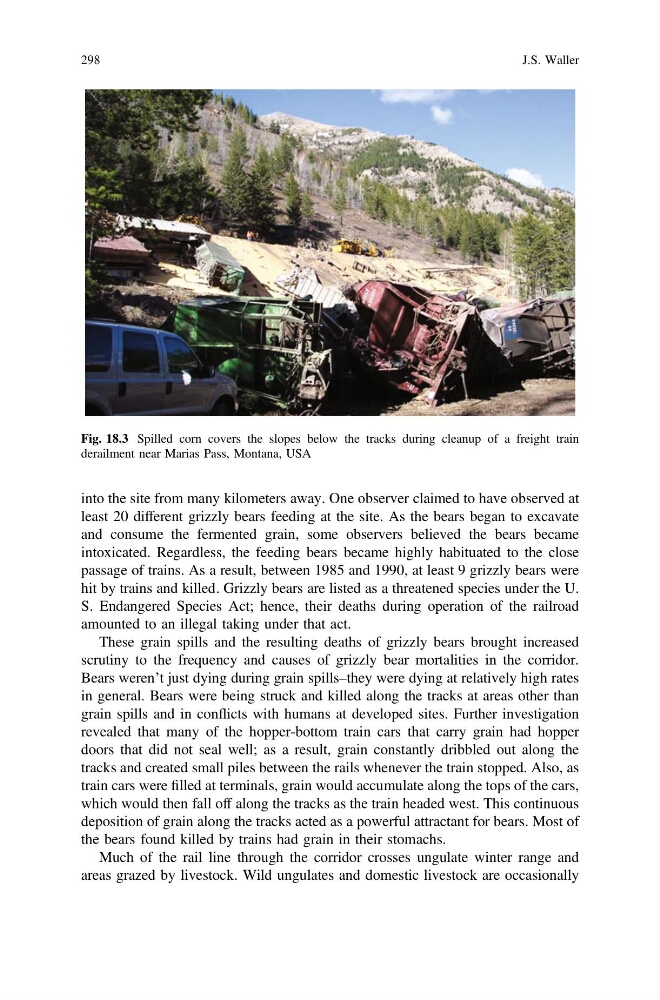
Fig. 18.3 Spilled corn covers the slopes below the tracks during cleanup of a freight train
derailment near Marias Pass, Montana, USA
298
J.S. Waller
least 20 different grizzly bears feeding at the site. As the bears began to excavate
and consume the fermented grain, some observers believed the bears became
intoxicated. Regardless, the feeding bears became highly habituated to the close
passage of trains. As a result, between 1985 and 1990, at least 9 grizzly bears were
hit by trains and killed. Grizzly bears are listed as a threatened species under the U.
S. Endangered Species Act; hence, their deaths during operation of the railroad
amounted to an illegal taking under that act.
These grain spills and the resulting deaths of grizzly bears brought increased
scrutiny to the frequency and causes of grizzly bear mortalities in the corridor.
Bears weren’t just dying during grain spills–they were dying at relatively high rates
in general. Bears were being struck and killed along the tracks at areas other than
grain spills and in conflicts with humans at developed sites. Further investigation
revealed that many of the hopper-bottom train cars that carry grain had hopper
doors that did not seal well; as a result, grain constantly dribbled out along the
tracks and created small piles between the rails whenever the train stopped. Also, as
train cars were filled at terminals, grain would accumulate along the tops of the cars,
which would then fall off along the tracks as the train headed west. This continuous
deposition of grain along the tracks acted as a powerful attractant for bears. Most of
the bears found killed by trains had grain in their stomachs.
Much of the rail line through the corridor crosses ungulate winter range and
areas grazed by livestock. Wild ungulates and domestic livestock are occasionally
Fig. 18.3 Spilled corn covers the slopes below the tracks during cleanup of a freight train
derailment near Marias Pass, Montana, USA
298
J.S. Waller