

5.15 Taylor’s Second Paper
The relationship between the radius of the shock front and the time measured from
the start of the explosion was used by G. I. Taylor [11] to estimate the energy yield of
the Trinity test. This relationship, as we have seen, was established by Taylor’s in his
first paper [4]. However, this estimate is dependent on the value of γ, namely, the
ratio of the specific heats of air. Taylor provides two estimates of this energy yield in
terms of the energy that would be released by an equivalent chemical explosion
using TNT. One estimate, that he considered to be more accurate, gives the energy
yield as 16,800 tons of TNT while the second estimate gives 23,700 tons of TNT. He
indicates that this latter value may overestimate the energy, but the value has been
included to emphasise the typical error that might be expected when the effects of
radiation are neglected as well as the variations in the specific heats of air due to the
extremely high temperatures associated with nuclear explosions. Let us now consider these estimates as presented by Taylor.
Taylor’s estimate of the energy yield was based on photographic records of the
Trinity test, which showed the shape of the expanding shock wave as a function of
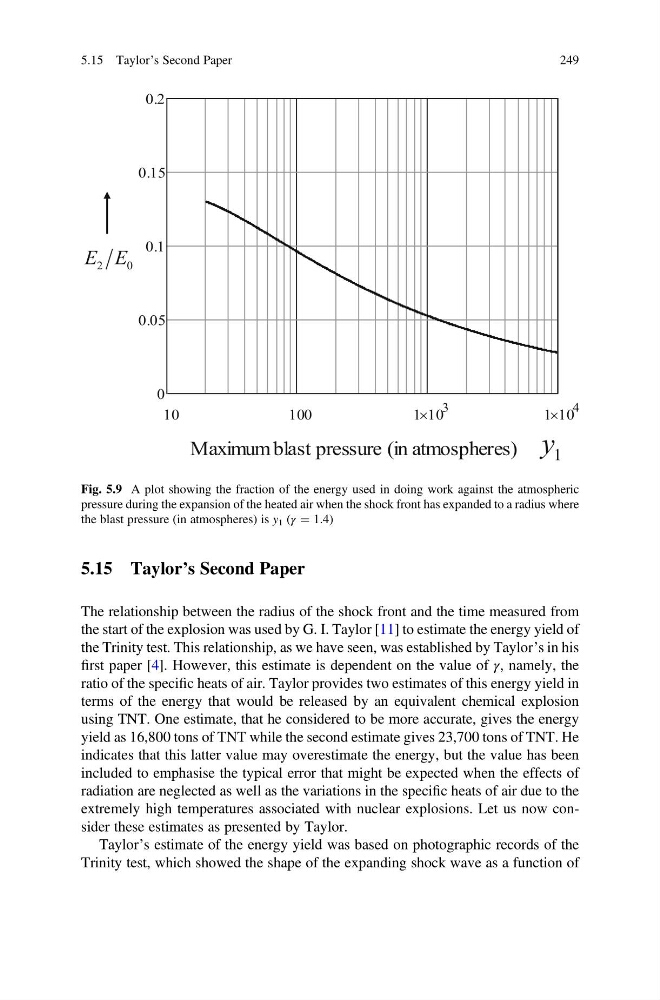
Fig. 5.9 A plot showing the fraction of the energy used in doing work against the atmospheric
pressure during the expansion of the heated air when the shock front has expanded to a radius where
the blast pressure (in atmospheres) is y 1 (γ ¼ 1.4)
5.15 Taylor’s Second Paper
249
The relationship between the radius of the shock front and the time measured from
the start of the explosion was used by G. I. Taylor [11] to estimate the energy yield of
the Trinity test. This relationship, as we have seen, was established by Taylor’s in his
first paper [4]. However, this estimate is dependent on the value of γ, namely, the
ratio of the specific heats of air. Taylor provides two estimates of this energy yield in
terms of the energy that would be released by an equivalent chemical explosion
using TNT. One estimate, that he considered to be more accurate, gives the energy
yield as 16,800 tons of TNT while the second estimate gives 23,700 tons of TNT. He
indicates that this latter value may overestimate the energy, but the value has been
included to emphasise the typical error that might be expected when the effects of
radiation are neglected as well as the variations in the specific heats of air due to the
extremely high temperatures associated with nuclear explosions. Let us now consider these estimates as presented by Taylor.
Taylor’s estimate of the energy yield was based on photographic records of the
Trinity test, which showed the shape of the expanding shock wave as a function of
Fig. 5.9 A plot showing the fraction of the energy used in doing work against the atmospheric
pressure during the expansion of the heated air when the shock front has expanded to a radius where
the blast pressure (in atmospheres) is y 1 (γ ¼ 1.4)
5.15 Taylor’s Second Paper
249