

18
R. Dette
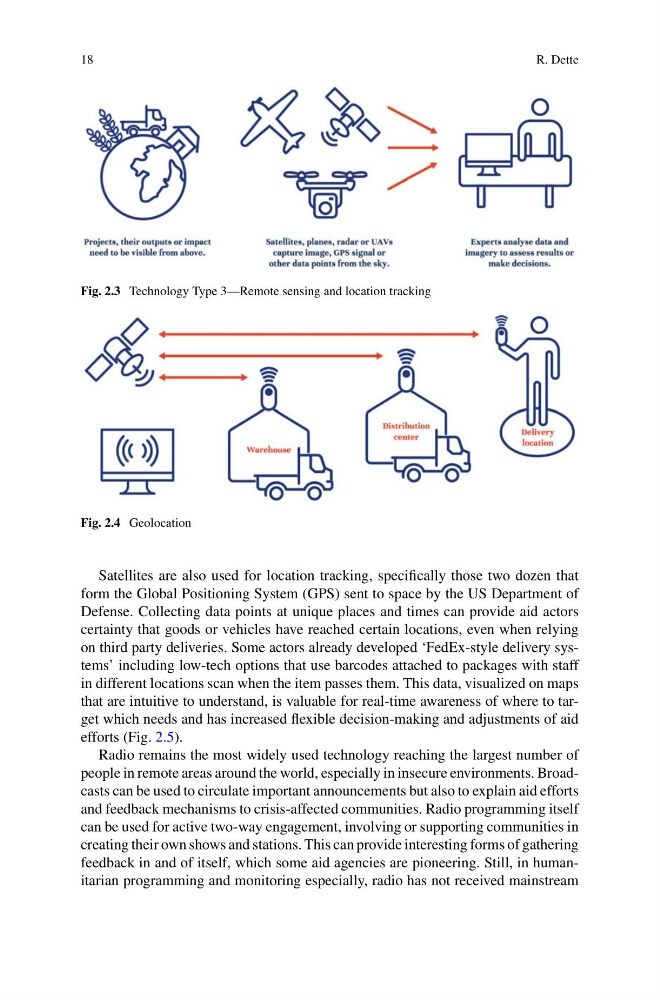
Fig. 2.3 Technology Type 3—Remote sensing and location tracking
Fig. 2.4 Geolocation
Satellites are also used for location tracking, specifically those two dozen that
form the Global Positioning System (GPS) sent to space by the US Department of
Defense. Collecting data points at unique places and times can provide aid actors
certainty that goods or vehicles have reached certain locations, even when relying
on third party deliveries. Some actors already developed ‘FedEx-style delivery systems’ including low-tech options that use barcodes attached to packages with staff
in different locations scan when the item passes them. This data, visualized on maps
that are intuitive to understand, is valuable for real-time awareness of where to target which needs and has increased flexible decision-making and adjustments of aid
efforts (Fig. 2.5).
Radio remains the most widely used technology reaching the largest number of
people in remote areas around the world, especially in insecure environments. Broadcasts can be used to circulate important announcements but also to explain aid efforts
and feedback mechanisms to crisis-affected communities. Radio programming itself
can be used for active two-way engagement, involving or supporting communities in
creating their own shows and stations. This can provide interesting forms of gathering
feedback in and of itself, which some aid agencies are pioneering. Still, in humanitarian programming and monitoring especially, radio has not received mainstream
R. Dette
Fig. 2.3 Technology Type 3—Remote sensing and location tracking
Fig. 2.4 Geolocation
Satellites are also used for location tracking, specifically those two dozen that
form the Global Positioning System (GPS) sent to space by the US Department of
Defense. Collecting data points at unique places and times can provide aid actors
certainty that goods or vehicles have reached certain locations, even when relying
on third party deliveries. Some actors already developed ‘FedEx-style delivery systems’ including low-tech options that use barcodes attached to packages with staff
in different locations scan when the item passes them. This data, visualized on maps
that are intuitive to understand, is valuable for real-time awareness of where to target which needs and has increased flexible decision-making and adjustments of aid
efforts (Fig. 2.5).
Radio remains the most widely used technology reaching the largest number of
people in remote areas around the world, especially in insecure environments. Broadcasts can be used to circulate important announcements but also to explain aid efforts
and feedback mechanisms to crisis-affected communities. Radio programming itself
can be used for active two-way engagement, involving or supporting communities in
creating their own shows and stations. This can provide interesting forms of gathering
feedback in and of itself, which some aid agencies are pioneering. Still, in humanitarian programming and monitoring especially, radio has not received mainstream