

16
R. Dette
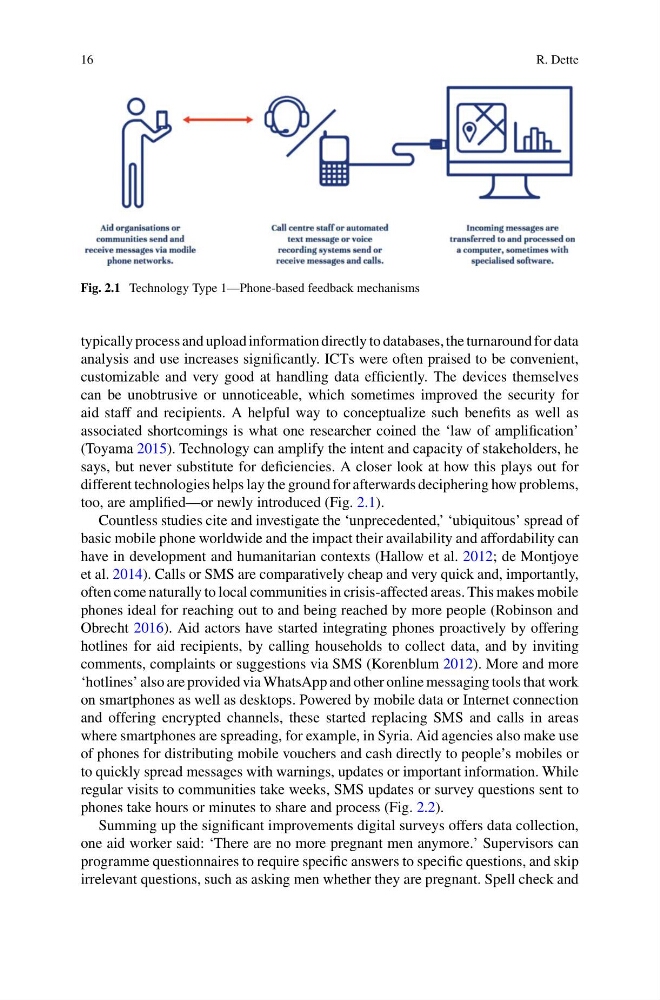
Fig. 2.1 Technology Type 1—Phone-based feedback mechanisms
typically process and upload information directly to databases, the turnaround for data
analysis and use increases significantly. ICTs were often praised to be convenient,
customizable and very good at handling data efficiently. The devices themselves
can be unobtrusive or unnoticeable, which sometimes improved the security for
aid staff and recipients. A helpful way to conceptualize such benefits as well as
associated shortcomings is what one researcher coined the ‘law of amplification’
(Toyama 2015). Technology can amplify the intent and capacity of stakeholders, he
says, but never substitute for deficiencies. A closer look at how this plays out for
different technologies helps lay the ground for afterwards deciphering how problems,
too, are amplified—or newly introduced (Fig. 2.1).
Countless studies cite and investigate the ‘unprecedented,’ ‘ubiquitous’ spread of
basic mobile phone worldwide and the impact their availability and affordability can
have in development and humanitarian contexts (Hallow et al. 2012; de Montjoye
et al. 2014). Calls or SMS are comparatively cheap and very quick and, importantly,
often come naturally to local communities in crisis-affected areas. This makes mobile
phones ideal for reaching out to and being reached by more people (Robinson and
Obrecht 2016). Aid actors have started integrating phones proactively by offering
hotlines for aid recipients, by calling households to collect data, and by inviting
comments, complaints or suggestions via SMS (Korenblum 2012). More and more
‘hotlines’ also are provided via WhatsApp and other online messaging tools that work
on smartphones as well as desktops. Powered by mobile data or Internet connection
and offering encrypted channels, these started replacing SMS and calls in areas
where smartphones are spreading, for example, in Syria. Aid agencies also make use
of phones for distributing mobile vouchers and cash directly to people’s mobiles or
to quickly spread messages with warnings, updates or important information. While
regular visits to communities take weeks, SMS updates or survey questions sent to
phones take hours or minutes to share and process (Fig. 2.2).
Summing up the significant improvements digital surveys offers data collection,
one aid worker said: ‘There are no more pregnant men anymore.’ Supervisors can
programme questionnaires to require specific answers to specific questions, and skip
irrelevant questions, such as asking men whether they are pregnant. Spell check and
R. Dette
Fig. 2.1 Technology Type 1—Phone-based feedback mechanisms
typically process and upload information directly to databases, the turnaround for data
analysis and use increases significantly. ICTs were often praised to be convenient,
customizable and very good at handling data efficiently. The devices themselves
can be unobtrusive or unnoticeable, which sometimes improved the security for
aid staff and recipients. A helpful way to conceptualize such benefits as well as
associated shortcomings is what one researcher coined the ‘law of amplification’
(Toyama 2015). Technology can amplify the intent and capacity of stakeholders, he
says, but never substitute for deficiencies. A closer look at how this plays out for
different technologies helps lay the ground for afterwards deciphering how problems,
too, are amplified—or newly introduced (Fig. 2.1).
Countless studies cite and investigate the ‘unprecedented,’ ‘ubiquitous’ spread of
basic mobile phone worldwide and the impact their availability and affordability can
have in development and humanitarian contexts (Hallow et al. 2012; de Montjoye
et al. 2014). Calls or SMS are comparatively cheap and very quick and, importantly,
often come naturally to local communities in crisis-affected areas. This makes mobile
phones ideal for reaching out to and being reached by more people (Robinson and
Obrecht 2016). Aid actors have started integrating phones proactively by offering
hotlines for aid recipients, by calling households to collect data, and by inviting
comments, complaints or suggestions via SMS (Korenblum 2012). More and more
‘hotlines’ also are provided via WhatsApp and other online messaging tools that work
on smartphones as well as desktops. Powered by mobile data or Internet connection
and offering encrypted channels, these started replacing SMS and calls in areas
where smartphones are spreading, for example, in Syria. Aid agencies also make use
of phones for distributing mobile vouchers and cash directly to people’s mobiles or
to quickly spread messages with warnings, updates or important information. While
regular visits to communities take weeks, SMS updates or survey questions sent to
phones take hours or minutes to share and process (Fig. 2.2).
Summing up the significant improvements digital surveys offers data collection,
one aid worker said: ‘There are no more pregnant men anymore.’ Supervisors can
programme questionnaires to require specific answers to specific questions, and skip
irrelevant questions, such as asking men whether they are pregnant. Spell check and