

114
S. Dhingra et al.
Table 10.1 Efficiency improvements in two-stage gasifier
Key parameters
Fixed-bed
gasifier
Two-stage
gasifier
Improvements
Energy efficiency
Overall efficiency (in
terms of biomass
consumption to
electricity generated)
15%
>22%
About 50% efficiency gain due to
reduction in parasitic loads and
reduction in fuel consumption
Resource use efficiency
Input fuel
moisture—quality of
biomass that can go
as an input
up to 15%
up to 30%
Greater flexibility in terms of
biomass quality (dry) and use
Environmental benefits
Tar (raw gas)
500–600 mg/Nm 3 Less than
25 mg/Nm 3
Impurities in the raw gas in form
of tar significantly reduced. This
improves the overall environment
performance of the system as less
tar is generated
Gas cooling and
cleaning system
Water scrubbing—350 L of
fresh water for
50 h of operation
Without water
scrubbing
Zero water usage for removing
impurities in the gas
Wastewater
generation
350 L after 50 h
of operation
No wastewater
generation
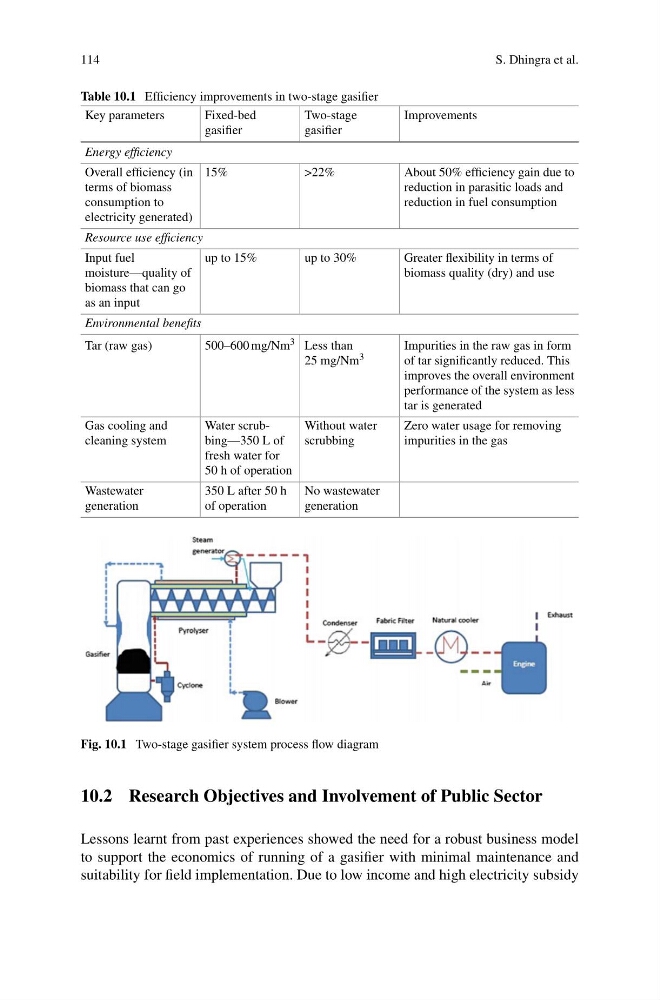
Fig. 10.1 Two-stage gasifier system process flow diagram
10.2 Research Objectives and Involvement of Public Sector
Lessons learnt from past experiences showed the need for a robust business model
to support the economics of running of a gasifier with minimal maintenance and
suitability for field implementation. Due to low income and high electricity subsidy
S. Dhingra et al.
Table 10.1 Efficiency improvements in two-stage gasifier
Key parameters
Fixed-bed
gasifier
Two-stage
gasifier
Improvements
Energy efficiency
Overall efficiency (in
terms of biomass
consumption to
electricity generated)
15%
>22%
About 50% efficiency gain due to
reduction in parasitic loads and
reduction in fuel consumption
Resource use efficiency
Input fuel
moisture—quality of
biomass that can go
as an input
up to 15%
up to 30%
Greater flexibility in terms of
biomass quality (dry) and use
Environmental benefits
Tar (raw gas)
500–600 mg/Nm 3 Less than
25 mg/Nm 3
Impurities in the raw gas in form
of tar significantly reduced. This
improves the overall environment
performance of the system as less
tar is generated
Gas cooling and
cleaning system
Water scrubbing—350 L of
fresh water for
50 h of operation
Without water
scrubbing
Zero water usage for removing
impurities in the gas
Wastewater
generation
350 L after 50 h
of operation
No wastewater
generation
Fig. 10.1 Two-stage gasifier system process flow diagram
10.2 Research Objectives and Involvement of Public Sector
Lessons learnt from past experiences showed the need for a robust business model
to support the economics of running of a gasifier with minimal maintenance and
suitability for field implementation. Due to low income and high electricity subsidy