

57
refrigerators, one refrigerator of certain volume is the functional unit, and for a raw
material such as cement, the functional unit is 1 ton of cement. Comparing results
that are organized by the same functional unit is a fundamental feature of
LCA. Different functional units may be used depending on the reasons for carrying
out LCA.
For biofuels, there are a number of possible different functional units that can be
considered. Cherubini and Strømman (2011) identified four different FUs that are
commonly used to describe bioenergy systems: (i) feedstock based, which refers to
the unit of input biomass and does not depend on conversion processes and products; (ii) product based, which allows an evaluation from a downstream angles; (iii)
agricultural land related that refers to the farmland used to cultivate feedstock; and
(iv) per year unit that assesses results in a yearly basis. A simple example of a functional unit is 1 l of the biofuel. However, if gasoline and bioethanol are compared,
the different fuels have different heat values, so a simple comparison by units of
volume is inappropriate. One method often used to express results is units of energy
of biofuel (e.g., kJ), which is reasonable for evaluating biofuel production processes. However, if the final TTW stage is included, the performance actually
obtained is running a vehicle. Therefore, the results of the LCA may be expressed
in vehicle kilometers traveled (VKT). This method considers biofuels from the
downstream end of the material flow. It is also possible to look at the upstream end
and express the environmental loading by production volumes of biofuel per hectare
of agricultural land.
6.2.2 Evaluation of Effects of Byproduct Recovery and Use
One of the characteristics of biofuels is that large amounts of byproducts and residues, such as straw and husks, are produced in the processes of cultivation and
production. It is important for the LCA to evaluate whether these byproducts and
residues are used effectively. The possibility of quantitatively evaluating effective
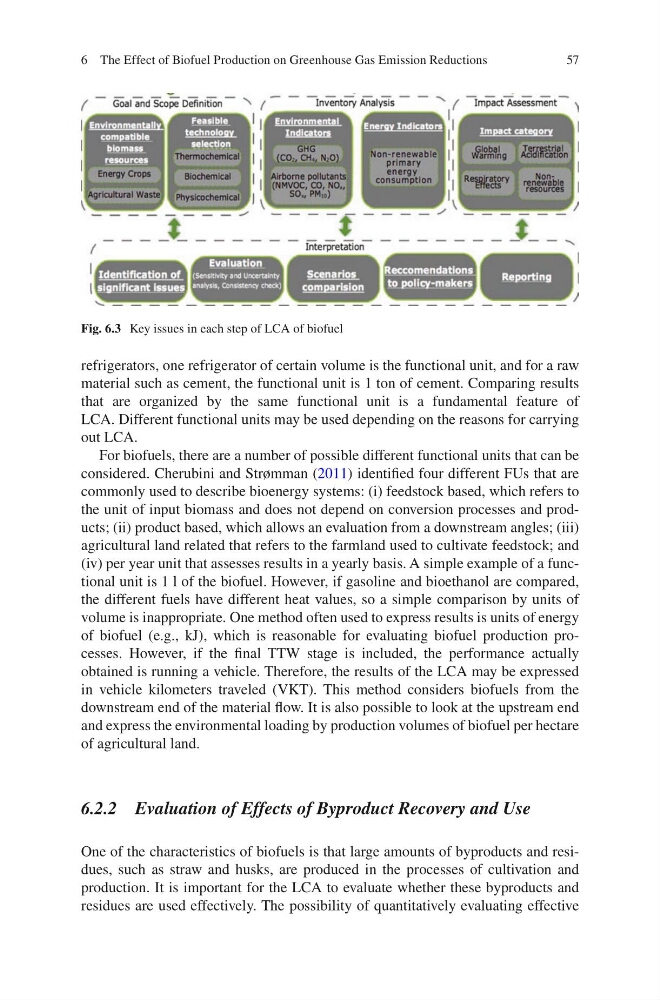
Fig. 6.3 Key issues in each step of LCA of biofuel
6 The Effect of Biofuel Production on Greenhouse Gas Emission Reductions
refrigerators, one refrigerator of certain volume is the functional unit, and for a raw
material such as cement, the functional unit is 1 ton of cement. Comparing results
that are organized by the same functional unit is a fundamental feature of
LCA. Different functional units may be used depending on the reasons for carrying
out LCA.
For biofuels, there are a number of possible different functional units that can be
considered. Cherubini and Strømman (2011) identified four different FUs that are
commonly used to describe bioenergy systems: (i) feedstock based, which refers to
the unit of input biomass and does not depend on conversion processes and products; (ii) product based, which allows an evaluation from a downstream angles; (iii)
agricultural land related that refers to the farmland used to cultivate feedstock; and
(iv) per year unit that assesses results in a yearly basis. A simple example of a functional unit is 1 l of the biofuel. However, if gasoline and bioethanol are compared,
the different fuels have different heat values, so a simple comparison by units of
volume is inappropriate. One method often used to express results is units of energy
of biofuel (e.g., kJ), which is reasonable for evaluating biofuel production processes. However, if the final TTW stage is included, the performance actually
obtained is running a vehicle. Therefore, the results of the LCA may be expressed
in vehicle kilometers traveled (VKT). This method considers biofuels from the
downstream end of the material flow. It is also possible to look at the upstream end
and express the environmental loading by production volumes of biofuel per hectare
of agricultural land.
6.2.2 Evaluation of Effects of Byproduct Recovery and Use
One of the characteristics of biofuels is that large amounts of byproducts and residues, such as straw and husks, are produced in the processes of cultivation and
production. It is important for the LCA to evaluate whether these byproducts and
residues are used effectively. The possibility of quantitatively evaluating effective
Fig. 6.3 Key issues in each step of LCA of biofuel
6 The Effect of Biofuel Production on Greenhouse Gas Emission Reductions