

261
Among the bioethanol WFs from the six cases, sweet sorghum (case 3) shows the
largest WF (Fig. 15.7a). Therefore, case 6, which maximizes domestic biodiesel,
indicates a larger WF than that of construction waste wood (case 4) and rice straw
(case 5). Jatropha (case 2) requires the maximum amount of water out of any of the
other cases investigated in this study (Fig. 15.7b). Palm oil (case 1) and domestic
rapeseed (case 4) show similar WF performances. Waste cooking oil (case 5) is the
best option in terms of WF, even considering the complementary import of biodiesel
(palm oil) to fill the gap between the maximum supply capacity of waste cooking oil
and the national target.
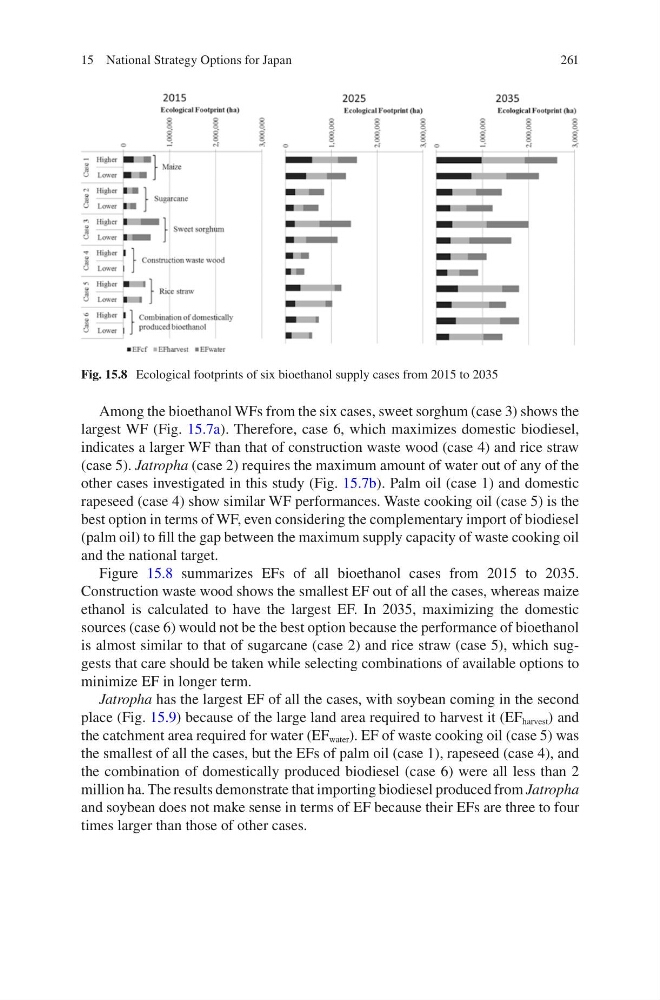
Figure 15.8 summarizes EFs of all bioethanol cases from 2015 to 2035.
Construction waste wood shows the smallest EF out of all the cases, whereas maize
ethanol is calculated to have the largest EF. In 2035, maximizing the domestic
sources (case 6) would not be the best option because the performance of bioethanol
is almost similar to that of sugarcane (case 2) and rice straw (case 5), which suggests that care should be taken while selecting combinations of available options to
minimize EF in longer term.
Jatropha has the largest EF of all the cases, with soybean coming in the second
place (Fig. 15.9) because of the large land area required to harvest it (EF harvest ) and
the catchment area required for water (EF water ). EF of waste cooking oil (case 5) was
the smallest of all the cases, but the EFs of palm oil (case 1), rapeseed (case 4), and
the combination of domestically produced biodiesel (case 6) were all less than 2
million ha. The results demonstrate that importing biodiesel produced from Jatropha
and soybean does not make sense in terms of EF because their EFs are three to four
times larger than those of other cases.
Fig. 15.8 Ecological footprints of six bioethanol supply cases from 2015 to 2035
15 National Strategy Options for Japan
Among the bioethanol WFs from the six cases, sweet sorghum (case 3) shows the
largest WF (Fig. 15.7a). Therefore, case 6, which maximizes domestic biodiesel,
indicates a larger WF than that of construction waste wood (case 4) and rice straw
(case 5). Jatropha (case 2) requires the maximum amount of water out of any of the
other cases investigated in this study (Fig. 15.7b). Palm oil (case 1) and domestic
rapeseed (case 4) show similar WF performances. Waste cooking oil (case 5) is the
best option in terms of WF, even considering the complementary import of biodiesel
(palm oil) to fill the gap between the maximum supply capacity of waste cooking oil
and the national target.
Figure 15.8 summarizes EFs of all bioethanol cases from 2015 to 2035.
Construction waste wood shows the smallest EF out of all the cases, whereas maize
ethanol is calculated to have the largest EF. In 2035, maximizing the domestic
sources (case 6) would not be the best option because the performance of bioethanol
is almost similar to that of sugarcane (case 2) and rice straw (case 5), which suggests that care should be taken while selecting combinations of available options to
minimize EF in longer term.
Jatropha has the largest EF of all the cases, with soybean coming in the second
place (Fig. 15.9) because of the large land area required to harvest it (EF harvest ) and
the catchment area required for water (EF water ). EF of waste cooking oil (case 5) was
the smallest of all the cases, but the EFs of palm oil (case 1), rapeseed (case 4), and
the combination of domestically produced biodiesel (case 6) were all less than 2
million ha. The results demonstrate that importing biodiesel produced from Jatropha
and soybean does not make sense in terms of EF because their EFs are three to four
times larger than those of other cases.
Fig. 15.8 Ecological footprints of six bioethanol supply cases from 2015 to 2035
15 National Strategy Options for Japan