

156
and “large producers” represent the two extremes viewpoints in the debate about
palm oil sustainability.
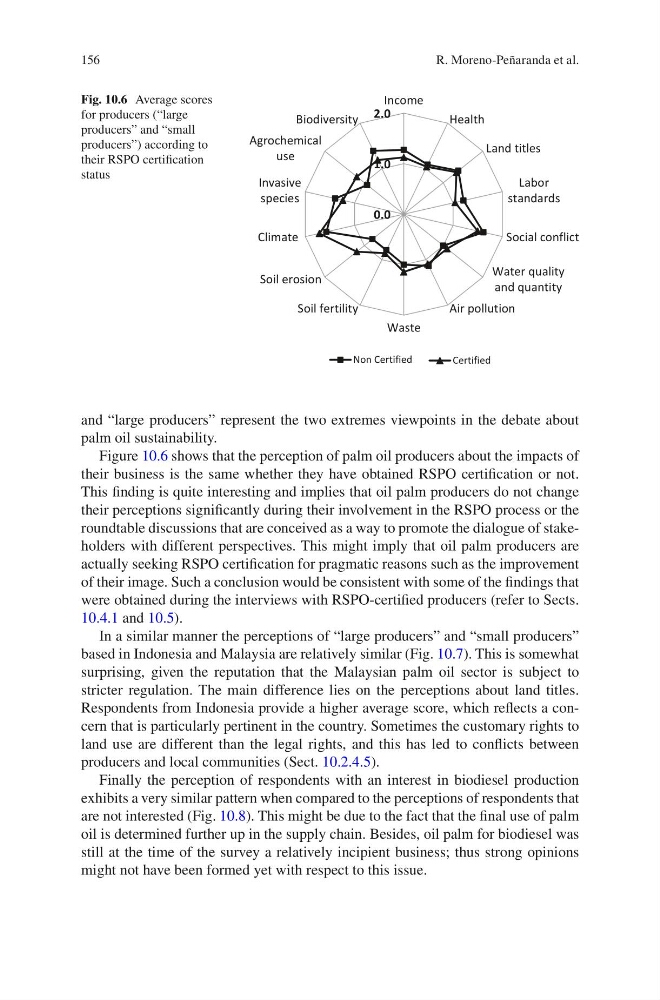
Figure 10.6 shows that the perception of palm oil producers about the impacts of
their business is the same whether they have obtained RSPO certification or not.
This finding is quite interesting and implies that oil palm producers do not change
their perceptions significantly during their involvement in the RSPO process or the
roundtable discussions that are conceived as a way to promote the dialogue of stakeholders with different perspectives. This might imply that oil palm producers are
actually seeking RSPO certification for pragmatic reasons such as the improvement
of their image. Such a conclusion would be consistent with some of the findings that
were obtained during the interviews with RSPO-certified producers (refer to Sects.
10.4.1 and 10.5).
In a similar manner the perceptions of “large producers” and “small producers”
based in Indonesia and Malaysia are relatively similar (Fig. 10.7). This is somewhat
surprising, given the reputation that the Malaysian palm oil sector is subject to
stricter regulation. The main difference lies on the perceptions about land titles.
Respondents from Indonesia provide a higher average score, which reflects a concern that is particularly pertinent in the country. Sometimes the customary rights to
land use are different than the legal rights, and this has led to conflicts between
producers and local communities (Sect. 10.2.4.5).
Finally the perception of respondents with an interest in biodiesel production
exhibits a very similar pattern when compared to the perceptions of respondents that
are not interested (Fig. 10.8). This might be due to the fact that the final use of palm
oil is determined further up in the supply chain. Besides, oil palm for biodiesel was
still at the time of the survey a relatively incipient business; thus strong opinions
might not have been formed yet with respect to this issue.
0.0
1.0
2.0
Income
Health
Land titles
Labor
standards
Social conflict
Water quality
and quantity
Air pollution
Waste
Soil fertility
Soil erosion
Climate
Invasive
species
Agrochemical
use
Biodiversity
Non Certified
Certified
Fig. 10.6 Average scores
for producers (“large
producers” and “small
producers”) according to
their RSPO certification
status
R. Moreno-Peñaranda et al.
and “large producers” represent the two extremes viewpoints in the debate about
palm oil sustainability.
Figure 10.6 shows that the perception of palm oil producers about the impacts of
their business is the same whether they have obtained RSPO certification or not.
This finding is quite interesting and implies that oil palm producers do not change
their perceptions significantly during their involvement in the RSPO process or the
roundtable discussions that are conceived as a way to promote the dialogue of stakeholders with different perspectives. This might imply that oil palm producers are
actually seeking RSPO certification for pragmatic reasons such as the improvement
of their image. Such a conclusion would be consistent with some of the findings that
were obtained during the interviews with RSPO-certified producers (refer to Sects.
10.4.1 and 10.5).
In a similar manner the perceptions of “large producers” and “small producers”
based in Indonesia and Malaysia are relatively similar (Fig. 10.7). This is somewhat
surprising, given the reputation that the Malaysian palm oil sector is subject to
stricter regulation. The main difference lies on the perceptions about land titles.
Respondents from Indonesia provide a higher average score, which reflects a concern that is particularly pertinent in the country. Sometimes the customary rights to
land use are different than the legal rights, and this has led to conflicts between
producers and local communities (Sect. 10.2.4.5).
Finally the perception of respondents with an interest in biodiesel production
exhibits a very similar pattern when compared to the perceptions of respondents that
are not interested (Fig. 10.8). This might be due to the fact that the final use of palm
oil is determined further up in the supply chain. Besides, oil palm for biodiesel was
still at the time of the survey a relatively incipient business; thus strong opinions
might not have been formed yet with respect to this issue.
0.0
1.0
2.0
Income
Health
Land titles
Labor
standards
Social conflict
Water quality
and quantity
Air pollution
Waste
Soil fertility
Soil erosion
Climate
Invasive
species
Agrochemical
use
Biodiversity
Non Certified
Certified
Fig. 10.6 Average scores
for producers (“large
producers” and “small
producers”) according to
their RSPO certification
status
R. Moreno-Peñaranda et al.