

(Fig. 5.25d) show that the dark material is noncrystalline ferrous sulfide. The S and
Fe counts are much higher for the thin root than those for the thick root, in
accordance with the intensity of dark color. However, a magnified SEM image
(Fig. 5.25e) of the thin-root dashed area (Fig. 5.25c) shows only the root surface,
possibly due to the very small particle size of noncrystalline ferrous sulfide (Fanning
et al. 2002). The root surface appears as epidermis and/or exodermis from which
cells were sloughed off. If the washed dark roots were left to stand in air, color of the
noncrystalline iron sulfide easily disappeared in a day due to oxidation.
5.5.2 Pyrite
Pyrite is ferrous disulfide [FeS 2 ]. Noncrystalline ferrous sulfide may be a precursor
of pyrite (Fanning et al. 2002). Pyrite may occur in newly reclaimed land from
drainage or construction, and in the deep horizons of acid sulfate soil.
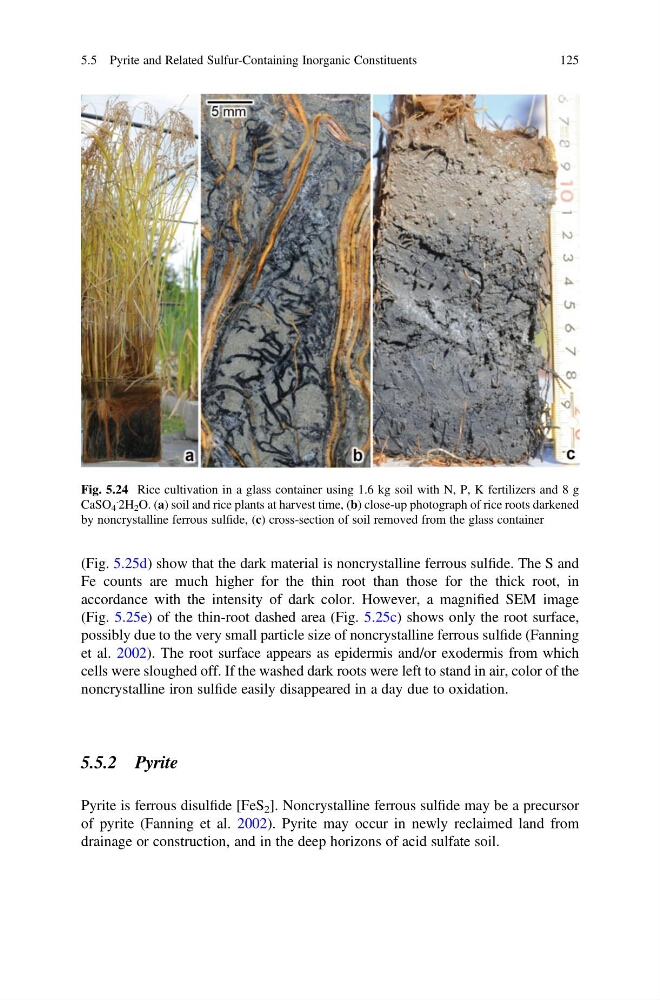
Fig. 5.24 Rice cultivation in a glass container using 1.6 kg soil with N, P, K fertilizers and 8 g
CaSO 4
.
2H 2 O. (a) soil and rice plants at harvest time, (b) close-up photograph of rice roots darkened
by noncrystalline ferrous sulfide, (c) cross-section of soil removed from the glass container
5.5 Pyrite and Related Sulfur-Containing Inorganic Constituents
125
Fe counts are much higher for the thin root than those for the thick root, in
accordance with the intensity of dark color. However, a magnified SEM image
(Fig. 5.25e) of the thin-root dashed area (Fig. 5.25c) shows only the root surface,
possibly due to the very small particle size of noncrystalline ferrous sulfide (Fanning
et al. 2002). The root surface appears as epidermis and/or exodermis from which
cells were sloughed off. If the washed dark roots were left to stand in air, color of the
noncrystalline iron sulfide easily disappeared in a day due to oxidation.
5.5.2 Pyrite
Pyrite is ferrous disulfide [FeS 2 ]. Noncrystalline ferrous sulfide may be a precursor
of pyrite (Fanning et al. 2002). Pyrite may occur in newly reclaimed land from
drainage or construction, and in the deep horizons of acid sulfate soil.
Fig. 5.24 Rice cultivation in a glass container using 1.6 kg soil with N, P, K fertilizers and 8 g
CaSO 4
.
2H 2 O. (a) soil and rice plants at harvest time, (b) close-up photograph of rice roots darkened
by noncrystalline ferrous sulfide, (c) cross-section of soil removed from the glass container
5.5 Pyrite and Related Sulfur-Containing Inorganic Constituents
125