

COVALENT BONDING
25
+
−
bonding
antibonding
σ
σ*
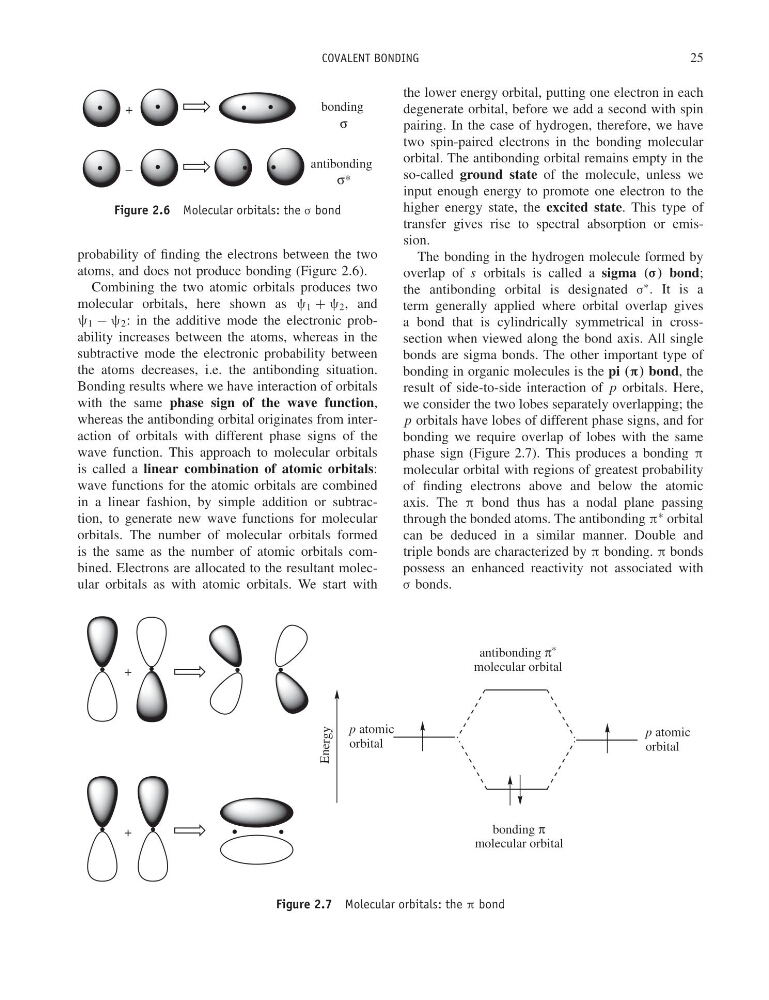
Figure 2.6 Molecular orbitals: the σ bond
probability of finding the electrons between the two
atoms, and does not produce bonding (Figure 2.6).
Combining the two atomic orbitals produces two
molecular orbitals, here shown as ψ 1 + ψ 2 , and
ψ 1 − ψ 2 : in the additive mode the electronic probability increases between the atoms, whereas in the
subtractive mode the electronic probability between
the atoms decreases, i.e. the antibonding situation.
Bonding results where we have interaction of orbitals
with the same phase sign of the wave function,
whereas the antibonding orbital originates from interaction of orbitals with different phase signs of the
wave function. This approach to molecular orbitals
is called a linear combination of atomic orbitals:
wave functions for the atomic orbitals are combined
in a linear fashion, by simple addition or subtraction, to generate new wave functions for molecular
orbitals. The number of molecular orbitals formed
is the same as the number of atomic orbitals combined. Electrons are allocated to the resultant molecular orbitals as with atomic orbitals. We start with
the lower energy orbital, putting one electron in each
degenerate orbital, before we add a second with spin
pairing. In the case of hydrogen, therefore, we have
two spin-paired electrons in the bonding molecular
orbital. The antibonding orbital remains empty in the
so-called ground state of the molecule, unless we
input enough energy to promote one electron to the
higher energy state, the excited state. This type of
transfer gives rise to spectral absorption or emission.
The bonding in the hydrogen molecule formed by
overlap of s orbitals is called a sigma (σ) bond;
the antibonding orbital is designated σ
∗ . It is a
term generally applied where orbital overlap gives
a bond that is cylindrically symmetrical in crosssection when viewed along the bond axis. All single
bonds are sigma bonds. The other important type of
bonding in organic molecules is the pi (π) bond, the
result of side-to-side interaction of p orbitals. Here,
we consider the two lobes separately overlapping; the
p orbitals have lobes of different phase signs, and for
bonding we require overlap of lobes with the same
phase sign (Figure 2.7). This produces a bonding π
molecular orbital with regions of greatest probability
of finding electrons above and below the atomic
axis. The π bond thus has a nodal plane passing
through the bonded atoms. The antibonding π
∗ orbital
can be deduced in a similar manner. Double and
triple bonds are characterized by π bonding. π bonds
possess an enhanced reactivity not associated with
σ bonds.
p atomic
orbital
p atomic
orbital
antibonding π ∗
molecular orbital
bonding π
molecular orbital
Energy
+
+
Figure 2.7 Molecular orbitals: the π bond
25
+
−
bonding
antibonding
σ
σ*
Figure 2.6 Molecular orbitals: the σ bond
probability of finding the electrons between the two
atoms, and does not produce bonding (Figure 2.6).
Combining the two atomic orbitals produces two
molecular orbitals, here shown as ψ 1 + ψ 2 , and
ψ 1 − ψ 2 : in the additive mode the electronic probability increases between the atoms, whereas in the
subtractive mode the electronic probability between
the atoms decreases, i.e. the antibonding situation.
Bonding results where we have interaction of orbitals
with the same phase sign of the wave function,
whereas the antibonding orbital originates from interaction of orbitals with different phase signs of the
wave function. This approach to molecular orbitals
is called a linear combination of atomic orbitals:
wave functions for the atomic orbitals are combined
in a linear fashion, by simple addition or subtraction, to generate new wave functions for molecular
orbitals. The number of molecular orbitals formed
is the same as the number of atomic orbitals combined. Electrons are allocated to the resultant molecular orbitals as with atomic orbitals. We start with
the lower energy orbital, putting one electron in each
degenerate orbital, before we add a second with spin
pairing. In the case of hydrogen, therefore, we have
two spin-paired electrons in the bonding molecular
orbital. The antibonding orbital remains empty in the
so-called ground state of the molecule, unless we
input enough energy to promote one electron to the
higher energy state, the excited state. This type of
transfer gives rise to spectral absorption or emission.
The bonding in the hydrogen molecule formed by
overlap of s orbitals is called a sigma (σ) bond;
the antibonding orbital is designated σ
∗ . It is a
term generally applied where orbital overlap gives
a bond that is cylindrically symmetrical in crosssection when viewed along the bond axis. All single
bonds are sigma bonds. The other important type of
bonding in organic molecules is the pi (π) bond, the
result of side-to-side interaction of p orbitals. Here,
we consider the two lobes separately overlapping; the
p orbitals have lobes of different phase signs, and for
bonding we require overlap of lobes with the same
phase sign (Figure 2.7). This produces a bonding π
molecular orbital with regions of greatest probability
of finding electrons above and below the atomic
axis. The π bond thus has a nodal plane passing
through the bonded atoms. The antibonding π
∗ orbital
can be deduced in a similar manner. Double and
triple bonds are characterized by π bonding. π bonds
possess an enhanced reactivity not associated with
σ bonds.
p atomic
orbital
p atomic
orbital
antibonding π ∗
molecular orbital
bonding π
molecular orbital
Energy
+
+
Figure 2.7 Molecular orbitals: the π bond