

310
P. Prabakaran et al.
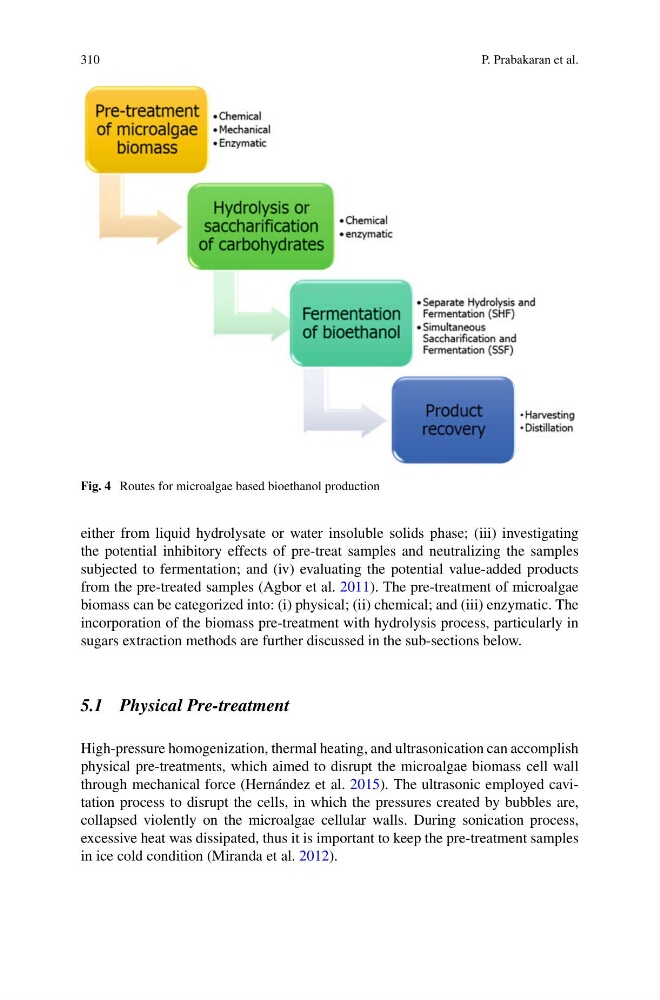
Fig. 4 Routes for microalgae based bioethanol production
either from liquid hydrolysate or water insoluble solids phase; (iii) investigating
the potential inhibitory effects of pre-treat samples and neutralizing the samples
subjected to fermentation; and (iv) evaluating the potential value-added products
from the pre-treated samples (Agbor et al. 2011). The pre-treatment of microalgae
biomass can be categorized into: (i) physical; (ii) chemical; and (iii) enzymatic. The
incorporation of the biomass pre-treatment with hydrolysis process, particularly in
sugars extraction methods are further discussed in the sub-sections below.
5.1 Physical Pre-treatment
High-pressure homogenization, thermal heating, and ultrasonication can accomplish
physical pre-treatments, which aimed to disrupt the microalgae biomass cell wall
through mechanical force (Hernández et al. 2015). The ultrasonic employed cavitation process to disrupt the cells, in which the pressures created by bubbles are,
collapsed violently on the microalgae cellular walls. During sonication process,
excessive heat was dissipated, thus it is important to keep the pre-treatment samples
in ice cold condition (Miranda et al. 2012).
P. Prabakaran et al.
Fig. 4 Routes for microalgae based bioethanol production
either from liquid hydrolysate or water insoluble solids phase; (iii) investigating
the potential inhibitory effects of pre-treat samples and neutralizing the samples
subjected to fermentation; and (iv) evaluating the potential value-added products
from the pre-treated samples (Agbor et al. 2011). The pre-treatment of microalgae
biomass can be categorized into: (i) physical; (ii) chemical; and (iii) enzymatic. The
incorporation of the biomass pre-treatment with hydrolysis process, particularly in
sugars extraction methods are further discussed in the sub-sections below.
5.1 Physical Pre-treatment
High-pressure homogenization, thermal heating, and ultrasonication can accomplish
physical pre-treatments, which aimed to disrupt the microalgae biomass cell wall
through mechanical force (Hernández et al. 2015). The ultrasonic employed cavitation process to disrupt the cells, in which the pressures created by bubbles are,
collapsed violently on the microalgae cellular walls. During sonication process,
excessive heat was dissipated, thus it is important to keep the pre-treatment samples
in ice cold condition (Miranda et al. 2012).