

308
P. Prabakaran et al.
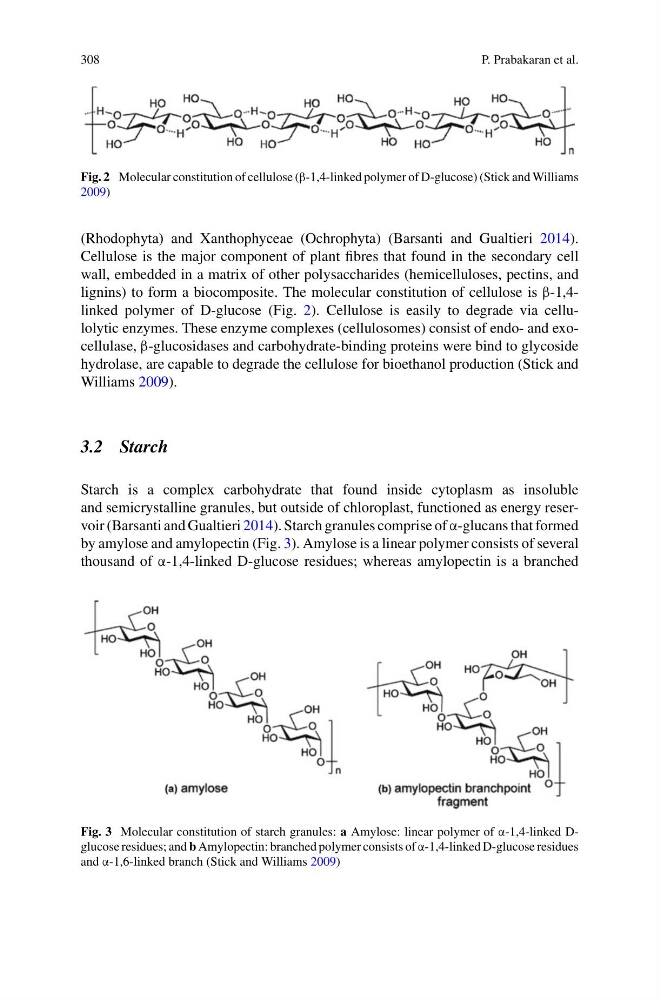
Fig. 2 Molecular constitution of cellulose (β-1,4-linked polymer of D-glucose) (Stick and Williams
2009)
(Rhodophyta) and Xanthophyceae (Ochrophyta) (Barsanti and Gualtieri 2014).
Cellulose is the major component of plant fibres that found in the secondary cell
wall, embedded in a matrix of other polysaccharides (hemicelluloses, pectins, and
lignins) to form a biocomposite. The molecular constitution of cellulose is β-1,4linked polymer of D-glucose (Fig. 2). Cellulose is easily to degrade via cellulolytic enzymes. These enzyme complexes (cellulosomes) consist of endo- and exocellulase, β-glucosidases and carbohydrate-binding proteins were bind to glycoside
hydrolase, are capable to degrade the cellulose for bioethanol production (Stick and
Williams 2009).
3.2 Starch
Starch is a complex carbohydrate that found inside cytoplasm as insoluble
and semicrystalline granules, but outside of chloroplast, functioned as energy reservoir (Barsanti and Gualtieri 2014). Starch granules comprise of α-glucans that formed
by amylose and amylopectin (Fig. 3). Amylose is a linear polymer consists of several
thousand of α-1,4-linked D-glucose residues; whereas amylopectin is a branched
Fig. 3 Molecular constitution of starch granules: a Amylose: linear polymer of α-1,4-linked Dglucose residues; and b Amylopectin: branched polymer consists of α-1,4-linked D-glucose residues
and α-1,6-linked branch (Stick and Williams 2009)
P. Prabakaran et al.
Fig. 2 Molecular constitution of cellulose (β-1,4-linked polymer of D-glucose) (Stick and Williams
2009)
(Rhodophyta) and Xanthophyceae (Ochrophyta) (Barsanti and Gualtieri 2014).
Cellulose is the major component of plant fibres that found in the secondary cell
wall, embedded in a matrix of other polysaccharides (hemicelluloses, pectins, and
lignins) to form a biocomposite. The molecular constitution of cellulose is β-1,4linked polymer of D-glucose (Fig. 2). Cellulose is easily to degrade via cellulolytic enzymes. These enzyme complexes (cellulosomes) consist of endo- and exocellulase, β-glucosidases and carbohydrate-binding proteins were bind to glycoside
hydrolase, are capable to degrade the cellulose for bioethanol production (Stick and
Williams 2009).
3.2 Starch
Starch is a complex carbohydrate that found inside cytoplasm as insoluble
and semicrystalline granules, but outside of chloroplast, functioned as energy reservoir (Barsanti and Gualtieri 2014). Starch granules comprise of α-glucans that formed
by amylose and amylopectin (Fig. 3). Amylose is a linear polymer consists of several
thousand of α-1,4-linked D-glucose residues; whereas amylopectin is a branched
Fig. 3 Molecular constitution of starch granules: a Amylose: linear polymer of α-1,4-linked Dglucose residues; and b Amylopectin: branched polymer consists of α-1,4-linked D-glucose residues
and α-1,6-linked branch (Stick and Williams 2009)