

292
A. V. Ravi et al.
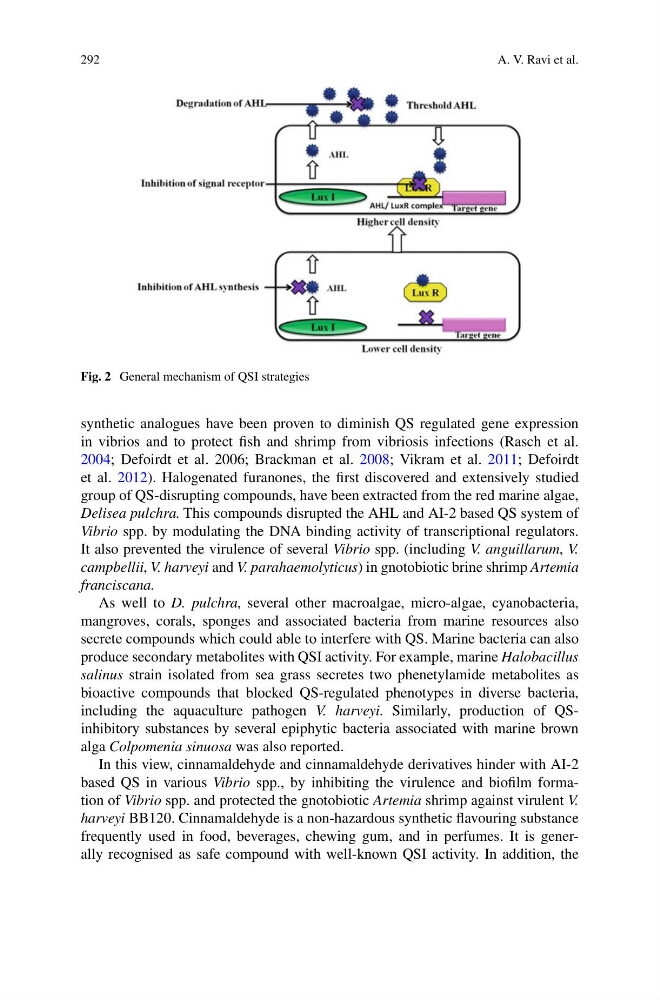
Fig. 2 General mechanism of QSI strategies
synthetic analogues have been proven to diminish QS regulated gene expression
in vibrios and to protect fish and shrimp from vibriosis infections (Rasch et al.
2004; Defoirdt et al. 2006; Brackman et al. 2008; Vikram et al. 2011; Defoirdt
et al. 2012). Halogenated furanones, the first discovered and extensively studied
group of QS-disrupting compounds, have been extracted from the red marine algae,
Delisea pulchra. This compounds disrupted the AHL and AI-2 based QS system of
Vibrio spp. by modulating the DNA binding activity of transcriptional regulators.
It also prevented the virulence of several Vibrio spp. (including V. anguillarum, V.
campbellii, V. harveyi and V. parahaemolyticus) in gnotobiotic brine shrimp Artemia
franciscana.
As well to D. pulchra, several other macroalgae, micro-algae, cyanobacteria,
mangroves, corals, sponges and associated bacteria from marine resources also
secrete compounds which could able to interfere with QS. Marine bacteria can also
produce secondary metabolites with QSI activity. For example, marine Halobacillus
salinus strain isolated from sea grass secretes two phenetylamide metabolites as
bioactive compounds that blocked QS-regulated phenotypes in diverse bacteria,
including the aquaculture pathogen V. harveyi. Similarly, production of QSinhibitory substances by several epiphytic bacteria associated with marine brown
alga Colpomenia sinuosa was also reported.
In this view, cinnamaldehyde and cinnamaldehyde derivatives hinder with AI-2
based QS in various Vibrio spp., by inhibiting the virulence and biofilm formation of Vibrio spp. and protected the gnotobiotic Artemia shrimp against virulent V.
harveyi BB120. Cinnamaldehyde is a non-hazardous synthetic flavouring substance
frequently used in food, beverages, chewing gum, and in perfumes. It is generally recognised as safe compound with well-known QSI activity. In addition, the
A. V. Ravi et al.
Fig. 2 General mechanism of QSI strategies
synthetic analogues have been proven to diminish QS regulated gene expression
in vibrios and to protect fish and shrimp from vibriosis infections (Rasch et al.
2004; Defoirdt et al. 2006; Brackman et al. 2008; Vikram et al. 2011; Defoirdt
et al. 2012). Halogenated furanones, the first discovered and extensively studied
group of QS-disrupting compounds, have been extracted from the red marine algae,
Delisea pulchra. This compounds disrupted the AHL and AI-2 based QS system of
Vibrio spp. by modulating the DNA binding activity of transcriptional regulators.
It also prevented the virulence of several Vibrio spp. (including V. anguillarum, V.
campbellii, V. harveyi and V. parahaemolyticus) in gnotobiotic brine shrimp Artemia
franciscana.
As well to D. pulchra, several other macroalgae, micro-algae, cyanobacteria,
mangroves, corals, sponges and associated bacteria from marine resources also
secrete compounds which could able to interfere with QS. Marine bacteria can also
produce secondary metabolites with QSI activity. For example, marine Halobacillus
salinus strain isolated from sea grass secretes two phenetylamide metabolites as
bioactive compounds that blocked QS-regulated phenotypes in diverse bacteria,
including the aquaculture pathogen V. harveyi. Similarly, production of QSinhibitory substances by several epiphytic bacteria associated with marine brown
alga Colpomenia sinuosa was also reported.
In this view, cinnamaldehyde and cinnamaldehyde derivatives hinder with AI-2
based QS in various Vibrio spp., by inhibiting the virulence and biofilm formation of Vibrio spp. and protected the gnotobiotic Artemia shrimp against virulent V.
harveyi BB120. Cinnamaldehyde is a non-hazardous synthetic flavouring substance
frequently used in food, beverages, chewing gum, and in perfumes. It is generally recognised as safe compound with well-known QSI activity. In addition, the