

32
M. C. Mifsud
Management Option Continuum
Emphasis on Enforcement
Emphasis on stakeholder
participation and cooperation
Executive cross sectoral authority
Community-based partnership
Education to justify restrictions and
promote compliance
Education to promote support
and participation
Reliance on comprehensive scientific
information
Science used for guidance
where
appropriate
and
available
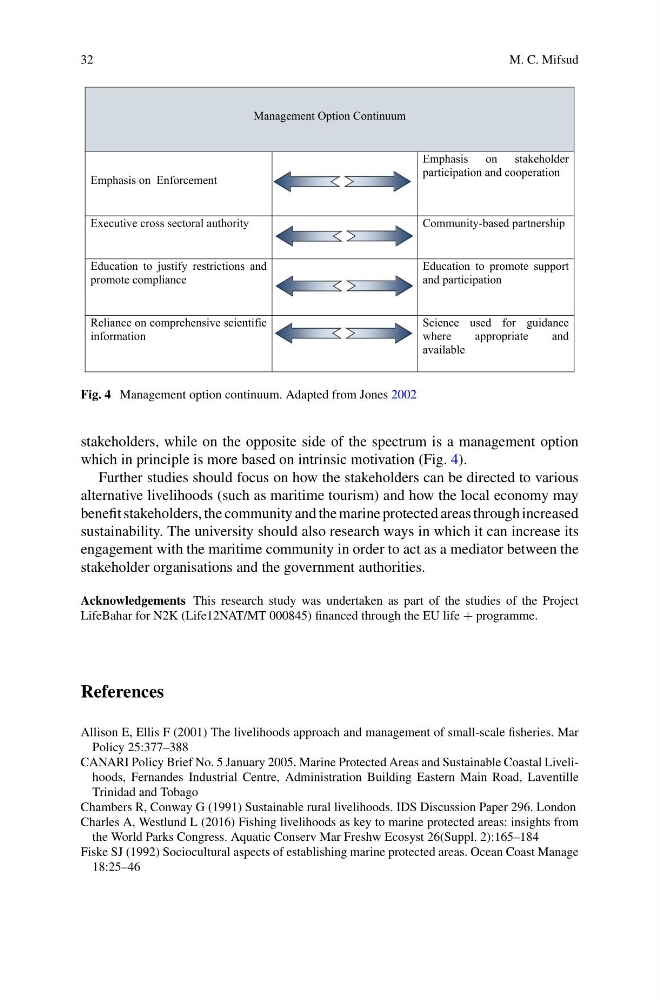
Fig. 4 Management option continuum. Adapted from Jones 2002
stakeholders, while on the opposite side of the spectrum is a management option
which in principle is more based on intrinsic motivation (Fig. 4).
Further studies should focus on how the stakeholders can be directed to various
alternative livelihoods (such as maritime tourism) and how the local economy may
benefit stakeholders, the community and the marine protected areas through increased
sustainability. The university should also research ways in which it can increase its
engagement with the maritime community in order to act as a mediator between the
stakeholder organisations and the government authorities.
Acknowledgements This research study was undertaken as part of the studies of the Project
LifeBahar for N2K (Life12NAT/MT 000845) financed through the EU life + programme.
References
Allison E, Ellis F (2001) The livelihoods approach and management of small-scale fisheries. Mar
Policy 25:377–388
CANARI Policy Brief No. 5 January 2005. Marine Protected Areas and Sustainable Coastal Livelihoods, Fernandes Industrial Centre, Administration Building Eastern Main Road, Laventille
Trinidad and Tobago
Chambers R, Conway G (1991) Sustainable rural livelihoods. IDS Discussion Paper 296. London
Charles A, Westlund L (2016) Fishing livelihoods as key to marine protected areas: insights from
the World Parks Congress. Aquatic Conserv Mar Freshw Ecosyst 26(Suppl. 2):165–184
Fiske SJ (1992) Sociocultural aspects of establishing marine protected areas. Ocean Coast Manage
18:25–46
M. C. Mifsud
Management Option Continuum
Emphasis on Enforcement
Emphasis on stakeholder
participation and cooperation
Executive cross sectoral authority
Community-based partnership
Education to justify restrictions and
promote compliance
Education to promote support
and participation
Reliance on comprehensive scientific
information
Science used for guidance
where
appropriate
and
available
Fig. 4 Management option continuum. Adapted from Jones 2002
stakeholders, while on the opposite side of the spectrum is a management option
which in principle is more based on intrinsic motivation (Fig. 4).
Further studies should focus on how the stakeholders can be directed to various
alternative livelihoods (such as maritime tourism) and how the local economy may
benefit stakeholders, the community and the marine protected areas through increased
sustainability. The university should also research ways in which it can increase its
engagement with the maritime community in order to act as a mediator between the
stakeholder organisations and the government authorities.
Acknowledgements This research study was undertaken as part of the studies of the Project
LifeBahar for N2K (Life12NAT/MT 000845) financed through the EU life + programme.
References
Allison E, Ellis F (2001) The livelihoods approach and management of small-scale fisheries. Mar
Policy 25:377–388
CANARI Policy Brief No. 5 January 2005. Marine Protected Areas and Sustainable Coastal Livelihoods, Fernandes Industrial Centre, Administration Building Eastern Main Road, Laventille
Trinidad and Tobago
Chambers R, Conway G (1991) Sustainable rural livelihoods. IDS Discussion Paper 296. London
Charles A, Westlund L (2016) Fishing livelihoods as key to marine protected areas: insights from
the World Parks Congress. Aquatic Conserv Mar Freshw Ecosyst 26(Suppl. 2):165–184
Fiske SJ (1992) Sociocultural aspects of establishing marine protected areas. Ocean Coast Manage
18:25–46