

An Overview on Costs of Shifting to Sustainable ...
101
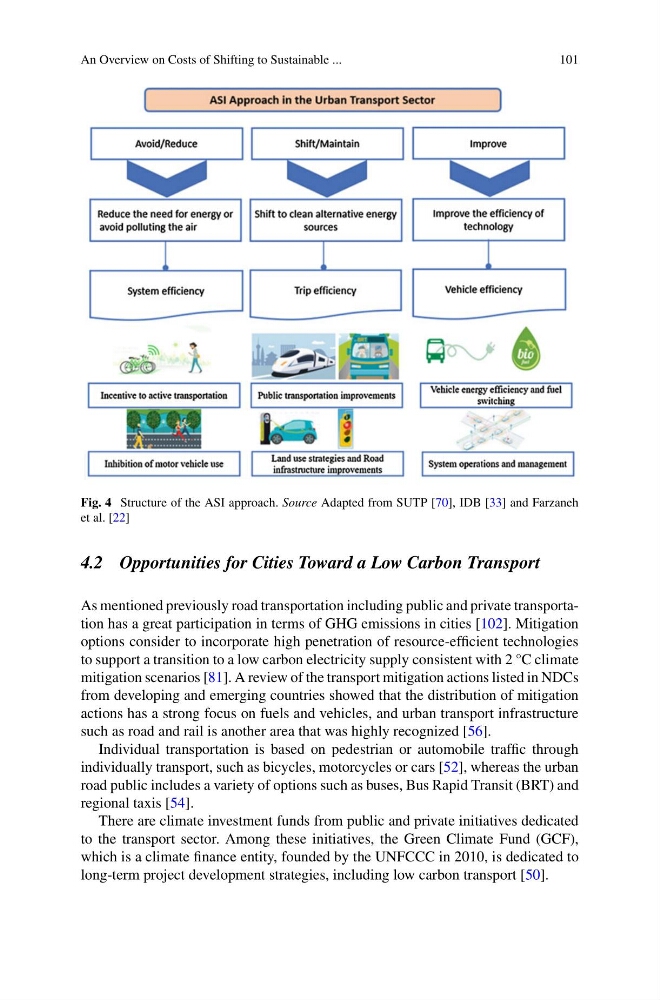
Fig. 4 Structure of the ASI approach. Source Adapted from SUTP [70], IDB [33] and Farzaneh
et al. [22]
4.2 Opportunities for Cities Toward a Low Carbon Transport
As mentioned previously road transportation including public and private transportation has a great participation in terms of GHG emissions in cities [102]. Mitigation
options consider to incorporate high penetration of resource-efficient technologies
to support a transition to a low carbon electricity supply consistent with 2 °C climate
mitigation scenarios [81]. A review of the transport mitigation actions listed in NDCs
from developing and emerging countries showed that the distribution of mitigation
actions has a strong focus on fuels and vehicles, and urban transport infrastructure
such as road and rail is another area that was highly recognized [56].
Individual transportation is based on pedestrian or automobile traffic through
individually transport, such as bicycles, motorcycles or cars [52], whereas the urban
road public includes a variety of options such as buses, Bus Rapid Transit (BRT) and
regional taxis [54].
There are climate investment funds from public and private initiatives dedicated
to the transport sector. Among these initiatives, the Green Climate Fund (GCF),
which is a climate finance entity, founded by the UNFCCC in 2010, is dedicated to
long-term project development strategies, including low carbon transport [50].
101
Fig. 4 Structure of the ASI approach. Source Adapted from SUTP [70], IDB [33] and Farzaneh
et al. [22]
4.2 Opportunities for Cities Toward a Low Carbon Transport
As mentioned previously road transportation including public and private transportation has a great participation in terms of GHG emissions in cities [102]. Mitigation
options consider to incorporate high penetration of resource-efficient technologies
to support a transition to a low carbon electricity supply consistent with 2 °C climate
mitigation scenarios [81]. A review of the transport mitigation actions listed in NDCs
from developing and emerging countries showed that the distribution of mitigation
actions has a strong focus on fuels and vehicles, and urban transport infrastructure
such as road and rail is another area that was highly recognized [56].
Individual transportation is based on pedestrian or automobile traffic through
individually transport, such as bicycles, motorcycles or cars [52], whereas the urban
road public includes a variety of options such as buses, Bus Rapid Transit (BRT) and
regional taxis [54].
There are climate investment funds from public and private initiatives dedicated
to the transport sector. Among these initiatives, the Green Climate Fund (GCF),
which is a climate finance entity, founded by the UNFCCC in 2010, is dedicated to
long-term project development strategies, including low carbon transport [50].