

126
A. B. A. Belal et al.
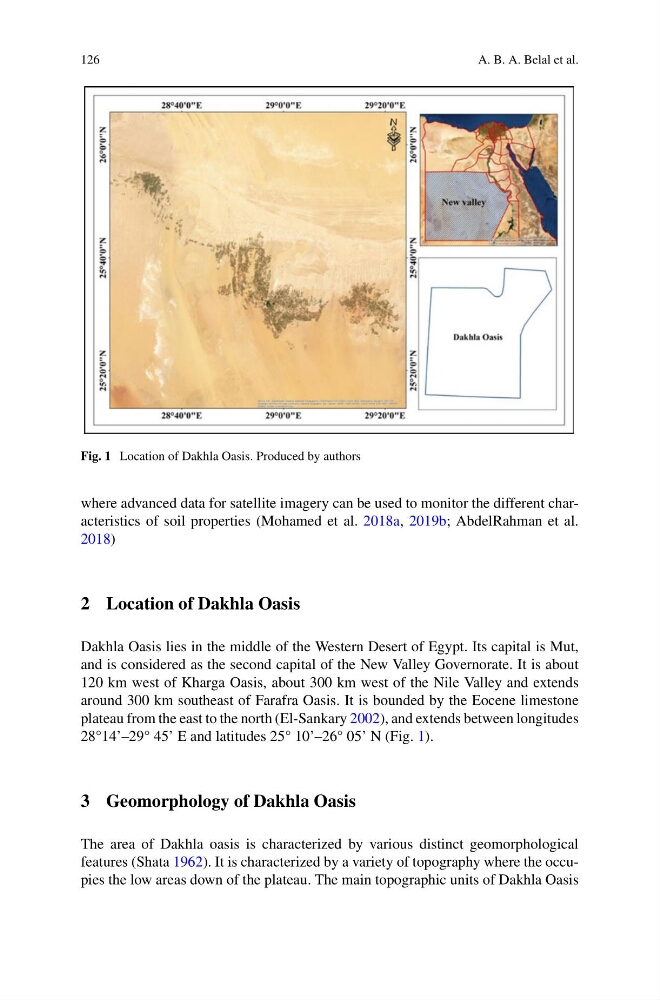
Fig. 1 Location of Dakhla Oasis. Produced by authors
where advanced data for satellite imagery can be used to monitor the different characteristics of soil properties (Mohamed et al. 2018a, 2019b; AbdelRahman et al.
2018)
2 Location of Dakhla Oasis
Dakhla Oasis lies in the middle of the Western Desert of Egypt. Its capital is Mut,
and is considered as the second capital of the New Valley Governorate. It is about
120 km west of Kharga Oasis, about 300 km west of the Nile Valley and extends
around 300 km southeast of Farafra Oasis. It is bounded by the Eocene limestone
plateau from the east to the north (El-Sankary 2002), and extends between longitudes
28°14’–29° 45’ E and latitudes 25° 10’–26° 05’ N (Fig. 1).
3 Geomorphology of Dakhla Oasis
The area of Dakhla oasis is characterized by various distinct geomorphological
features (Shata 1962). It is characterized by a variety of topography where the occupies the low areas down of the plateau. The main topographic units of Dakhla Oasis
A. B. A. Belal et al.
Fig. 1 Location of Dakhla Oasis. Produced by authors
where advanced data for satellite imagery can be used to monitor the different characteristics of soil properties (Mohamed et al. 2018a, 2019b; AbdelRahman et al.
2018)
2 Location of Dakhla Oasis
Dakhla Oasis lies in the middle of the Western Desert of Egypt. Its capital is Mut,
and is considered as the second capital of the New Valley Governorate. It is about
120 km west of Kharga Oasis, about 300 km west of the Nile Valley and extends
around 300 km southeast of Farafra Oasis. It is bounded by the Eocene limestone
plateau from the east to the north (El-Sankary 2002), and extends between longitudes
28°14’–29° 45’ E and latitudes 25° 10’–26° 05’ N (Fig. 1).
3 Geomorphology of Dakhla Oasis
The area of Dakhla oasis is characterized by various distinct geomorphological
features (Shata 1962). It is characterized by a variety of topography where the occupies the low areas down of the plateau. The main topographic units of Dakhla Oasis