

386
A. Srivastava
Effluent
Treated Effluent
Sludge Recycle
Sludge waste
Aeration
tank
Settling
tank
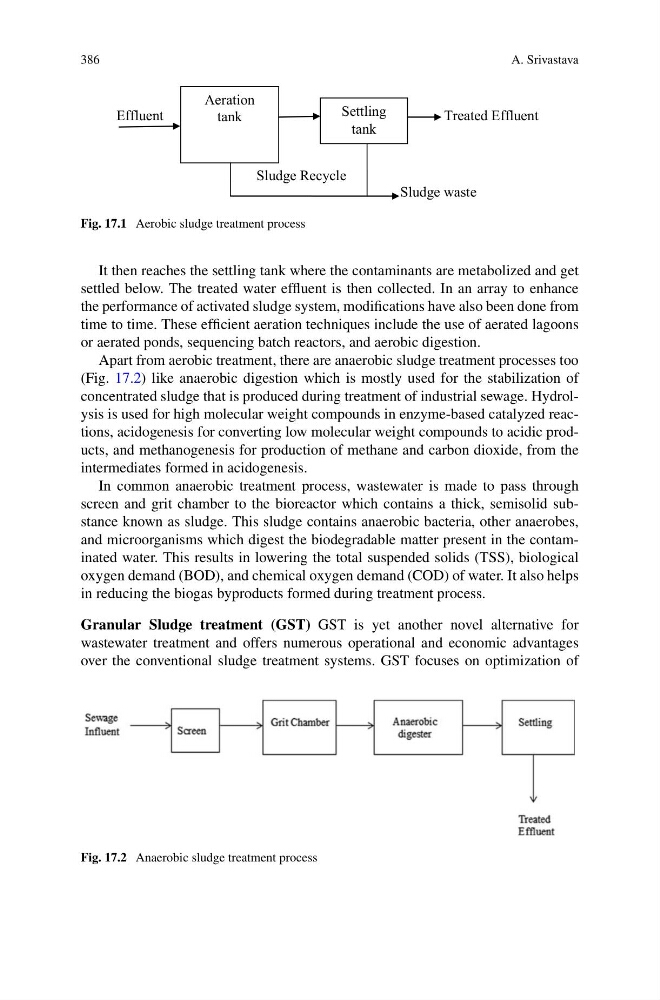
Fig. 17.1 Aerobic sludge treatment process
It then reaches the settling tank where the contaminants are metabolized and get
settled below. The treated water effluent is then collected. In an array to enhance
the performance of activated sludge system, modifications have also been done from
time to time. These efficient aeration techniques include the use of aerated lagoons
or aerated ponds, sequencing batch reactors, and aerobic digestion.
Apart from aerobic treatment, there are anaerobic sludge treatment processes too
(Fig. 17.2) like anaerobic digestion which is mostly used for the stabilization of
concentrated sludge that is produced during treatment of industrial sewage. Hydrolysis is used for high molecular weight compounds in enzyme-based catalyzed reactions, acidogenesis for converting low molecular weight compounds to acidic products, and methanogenesis for production of methane and carbon dioxide, from the
intermediates formed in acidogenesis.
In common anaerobic treatment process, wastewater is made to pass through
screen and grit chamber to the bioreactor which contains a thick, semisolid substance known as sludge. This sludge contains anaerobic bacteria, other anaerobes,
and microorganisms which digest the biodegradable matter present in the contaminated water. This results in lowering the total suspended solids (TSS), biological
oxygen demand (BOD), and chemical oxygen demand (COD) of water. It also helps
in reducing the biogas byproducts formed during treatment process.
Granular Sludge treatment (GST) GST is yet another novel alternative for
wastewater treatment and offers numerous operational and economic advantages
over the conventional sludge treatment systems. GST focuses on optimization of
Fig. 17.2 Anaerobic sludge treatment process
A. Srivastava
Effluent
Treated Effluent
Sludge Recycle
Sludge waste
Aeration
tank
Settling
tank
Fig. 17.1 Aerobic sludge treatment process
It then reaches the settling tank where the contaminants are metabolized and get
settled below. The treated water effluent is then collected. In an array to enhance
the performance of activated sludge system, modifications have also been done from
time to time. These efficient aeration techniques include the use of aerated lagoons
or aerated ponds, sequencing batch reactors, and aerobic digestion.
Apart from aerobic treatment, there are anaerobic sludge treatment processes too
(Fig. 17.2) like anaerobic digestion which is mostly used for the stabilization of
concentrated sludge that is produced during treatment of industrial sewage. Hydrolysis is used for high molecular weight compounds in enzyme-based catalyzed reactions, acidogenesis for converting low molecular weight compounds to acidic products, and methanogenesis for production of methane and carbon dioxide, from the
intermediates formed in acidogenesis.
In common anaerobic treatment process, wastewater is made to pass through
screen and grit chamber to the bioreactor which contains a thick, semisolid substance known as sludge. This sludge contains anaerobic bacteria, other anaerobes,
and microorganisms which digest the biodegradable matter present in the contaminated water. This results in lowering the total suspended solids (TSS), biological
oxygen demand (BOD), and chemical oxygen demand (COD) of water. It also helps
in reducing the biogas byproducts formed during treatment process.
Granular Sludge treatment (GST) GST is yet another novel alternative for
wastewater treatment and offers numerous operational and economic advantages
over the conventional sludge treatment systems. GST focuses on optimization of
Fig. 17.2 Anaerobic sludge treatment process