

276
P. Heck
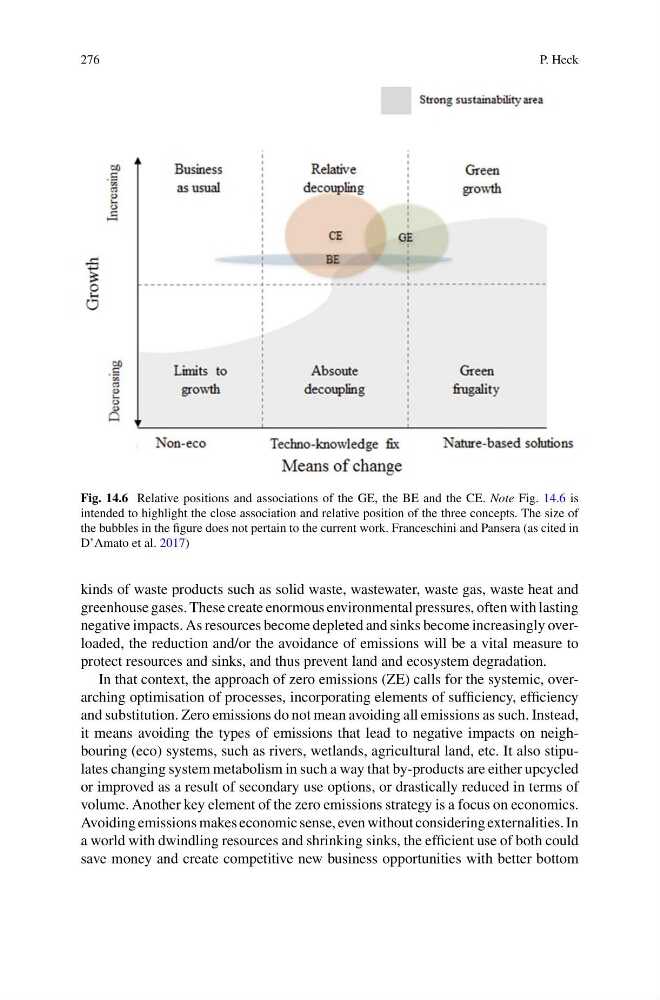
Fig. 14.6 Relative positions and associations of the GE, the BE and the CE. Note Fig. 14.6 is
intended to highlight the close association and relative position of the three concepts. The size of
the bubbles in the figure does not pertain to the current work. Franceschini and Pansera (as cited in
D’Amato et al. 2017)
kinds of waste products such as solid waste, wastewater, waste gas, waste heat and
greenhouse gases. These create enormous environmental pressures, often with lasting
negative impacts. As resources become depleted and sinks become increasingly overloaded, the reduction and/or the avoidance of emissions will be a vital measure to
protect resources and sinks, and thus prevent land and ecosystem degradation.
In that context, the approach of zero emissions (ZE) calls for the systemic, overarching optimisation of processes, incorporating elements of sufficiency, efficiency
and substitution. Zero emissions do not mean avoiding all emissions as such. Instead,
it means avoiding the types of emissions that lead to negative impacts on neighbouring (eco) systems, such as rivers, wetlands, agricultural land, etc. It also stipulates changing system metabolism in such a way that by-products are either upcycled
or improved as a result of secondary use options, or drastically reduced in terms of
volume. Another key element of the zero emissions strategy is a focus on economics.
Avoiding emissions makes economic sense, even without considering externalities. In
a world with dwindling resources and shrinking sinks, the efficient use of both could
save money and create competitive new business opportunities with better bottom
P. Heck
Fig. 14.6 Relative positions and associations of the GE, the BE and the CE. Note Fig. 14.6 is
intended to highlight the close association and relative position of the three concepts. The size of
the bubbles in the figure does not pertain to the current work. Franceschini and Pansera (as cited in
D’Amato et al. 2017)
kinds of waste products such as solid waste, wastewater, waste gas, waste heat and
greenhouse gases. These create enormous environmental pressures, often with lasting
negative impacts. As resources become depleted and sinks become increasingly overloaded, the reduction and/or the avoidance of emissions will be a vital measure to
protect resources and sinks, and thus prevent land and ecosystem degradation.
In that context, the approach of zero emissions (ZE) calls for the systemic, overarching optimisation of processes, incorporating elements of sufficiency, efficiency
and substitution. Zero emissions do not mean avoiding all emissions as such. Instead,
it means avoiding the types of emissions that lead to negative impacts on neighbouring (eco) systems, such as rivers, wetlands, agricultural land, etc. It also stipulates changing system metabolism in such a way that by-products are either upcycled
or improved as a result of secondary use options, or drastically reduced in terms of
volume. Another key element of the zero emissions strategy is a focus on economics.
Avoiding emissions makes economic sense, even without considering externalities. In
a world with dwindling resources and shrinking sinks, the efficient use of both could
save money and create competitive new business opportunities with better bottom