

Microbial associations with plants often play an important role as the facilitator in
arsenic cycling.
The internal resistant mechanisms to reduce metal toxicity in plants include
sequestration of metals and phytochelatins. Phytochelatins are cysteine rich peptides
formed by glutathione at high arsenic concentration (Mesa et al. 2017). Further,
plants are divided into the following groups on the basis of their metal removal
efficiencies.
Excluders
These group of plants restrict the uptake and translocation of arsenic on the terminal
parts by tolerating the existing high concentration of arsenic through intracellular
chelators. The excess arsenic segregated and is stored in the non-sensitive plant
parts, a phenomenon known as compartmentalisation (Sun et al. 2009).
Accumulators
Accumulator plant performs remediation via the uptake and translocation arsenic
into the terminal parts without any discernible plant symptoms. These can uptake
upto 1000 mg As/kg dry shoot.
8.4.5.2 Microbially-Mediated Remediation
Microbes (bacteria, fungi and algae) are very effective and efficient bioremediating
agents. Their small life span and adaptative abilities help thrive well even in harsh
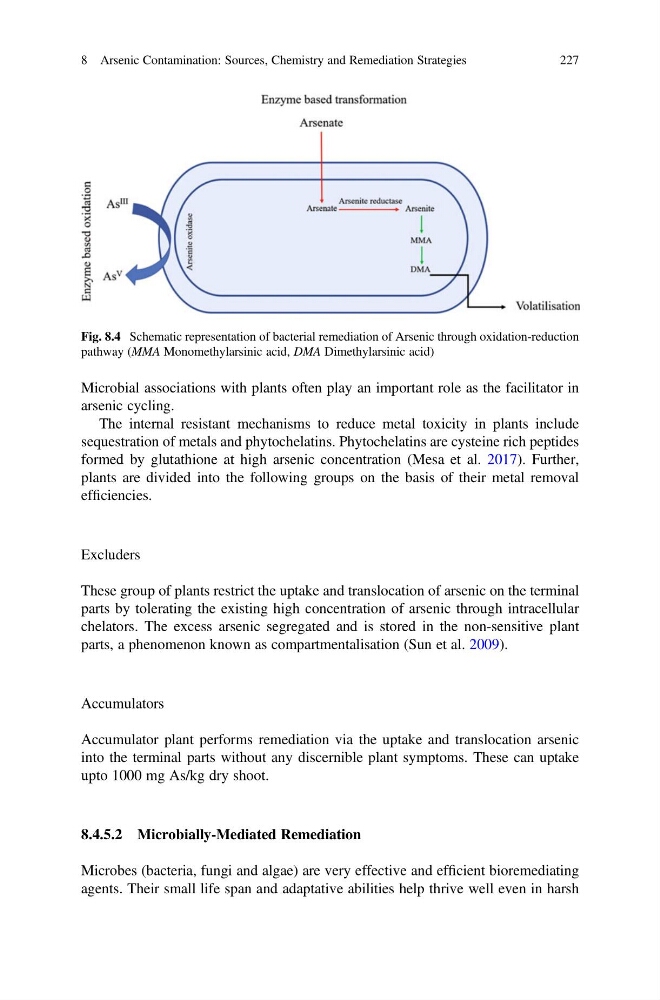
Fig. 8.4 Schematic representation of bacterial remediation of Arsenic through oxidation-reduction
pathway (MMA Monomethylarsinic acid, DMA Dimethylarsinic acid)
8 Arsenic Contamination: Sources, Chemistry and Remediation Strategies
227
arsenic cycling.
The internal resistant mechanisms to reduce metal toxicity in plants include
sequestration of metals and phytochelatins. Phytochelatins are cysteine rich peptides
formed by glutathione at high arsenic concentration (Mesa et al. 2017). Further,
plants are divided into the following groups on the basis of their metal removal
efficiencies.
Excluders
These group of plants restrict the uptake and translocation of arsenic on the terminal
parts by tolerating the existing high concentration of arsenic through intracellular
chelators. The excess arsenic segregated and is stored in the non-sensitive plant
parts, a phenomenon known as compartmentalisation (Sun et al. 2009).
Accumulators
Accumulator plant performs remediation via the uptake and translocation arsenic
into the terminal parts without any discernible plant symptoms. These can uptake
upto 1000 mg As/kg dry shoot.
8.4.5.2 Microbially-Mediated Remediation
Microbes (bacteria, fungi and algae) are very effective and efficient bioremediating
agents. Their small life span and adaptative abilities help thrive well even in harsh
Fig. 8.4 Schematic representation of bacterial remediation of Arsenic through oxidation-reduction
pathway (MMA Monomethylarsinic acid, DMA Dimethylarsinic acid)
8 Arsenic Contamination: Sources, Chemistry and Remediation Strategies
227