

Scenedesmus and Neochloris microalgal strains were found to be the most efficient
as compared to different strains of microalgae or cyanobacteria for CO 2 capture
process development (Sepulveda et al. 2019).
7.2.3 A Treatise on Commercial Applications of Microalgae
Presently, microalgae have received global interest owing to their prospective
application in the renewable energy, nutraceutical, and biopharmaceutical sectors
(Khan et al. 2018) (Table 7.2).
Microalgae have three essential features that can be capitalized for commercial
and technical benefits (Priyadarshani and Biswajit 2012):
1. Microalgae are a highly diverse group from the genetical standpoint with an
extensive array of biochemical and physiological characteristics; accordingly
they are known to produce different altered and unusual fats, high value bioactive compounds, sugars, etc. (Richard and Bruce 1994).
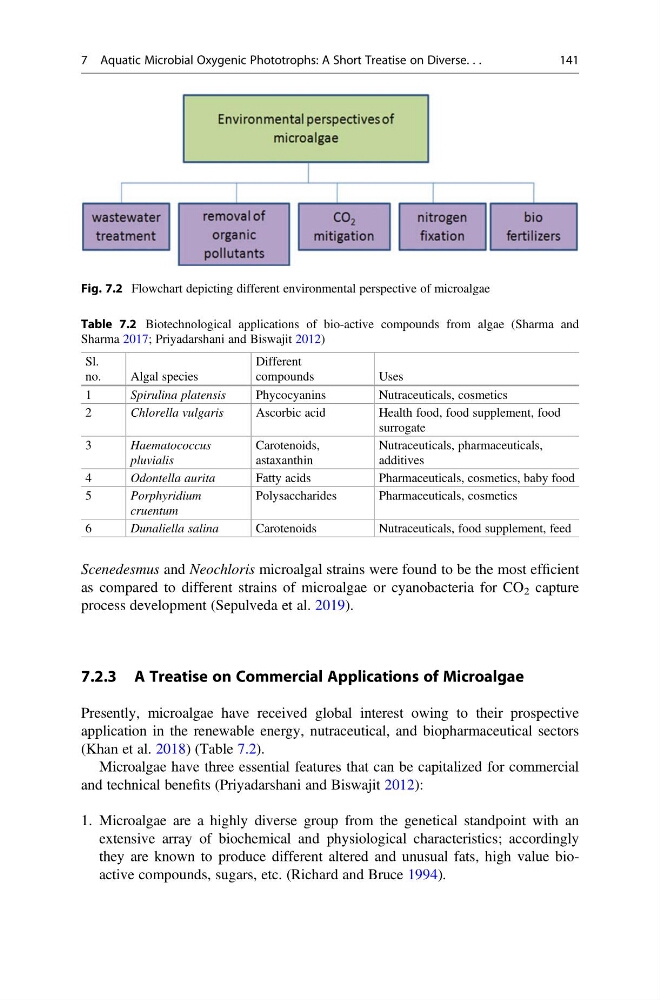
Fig. 7.2 Flowchart depicting different environmental perspective of microalgae
Table 7.2 Biotechnological applications of bio-active compounds from algae (Sharma and
Sharma 2017; Priyadarshani and Biswajit 2012)
Sl.
no.
Algal species
Different
compounds
Uses
1
Spirulina platensis
Phycocyanins
Nutraceuticals, cosmetics
2
Chlorella vulgaris
Ascorbic acid
Health food, food supplement, food
surrogate
3
Haematococcus
pluvialis
Carotenoids,
astaxanthin
Nutraceuticals, pharmaceuticals,
additives
4
Odontella aurita
Fatty acids
Pharmaceuticals, cosmetics, baby food
5
Porphyridium
cruentum
Polysaccharides
Pharmaceuticals, cosmetics
6
Dunaliella salina
Carotenoids
Nutraceuticals, food supplement, feed
7 Aquatic Microbial Oxygenic Phototrophs: A Short Treatise on Diverse. . .
141
as compared to different strains of microalgae or cyanobacteria for CO 2 capture
process development (Sepulveda et al. 2019).
7.2.3 A Treatise on Commercial Applications of Microalgae
Presently, microalgae have received global interest owing to their prospective
application in the renewable energy, nutraceutical, and biopharmaceutical sectors
(Khan et al. 2018) (Table 7.2).
Microalgae have three essential features that can be capitalized for commercial
and technical benefits (Priyadarshani and Biswajit 2012):
1. Microalgae are a highly diverse group from the genetical standpoint with an
extensive array of biochemical and physiological characteristics; accordingly
they are known to produce different altered and unusual fats, high value bioactive compounds, sugars, etc. (Richard and Bruce 1994).
Fig. 7.2 Flowchart depicting different environmental perspective of microalgae
Table 7.2 Biotechnological applications of bio-active compounds from algae (Sharma and
Sharma 2017; Priyadarshani and Biswajit 2012)
Sl.
no.
Algal species
Different
compounds
Uses
1
Spirulina platensis
Phycocyanins
Nutraceuticals, cosmetics
2
Chlorella vulgaris
Ascorbic acid
Health food, food supplement, food
surrogate
3
Haematococcus
pluvialis
Carotenoids,
astaxanthin
Nutraceuticals, pharmaceuticals,
additives
4
Odontella aurita
Fatty acids
Pharmaceuticals, cosmetics, baby food
5
Porphyridium
cruentum
Polysaccharides
Pharmaceuticals, cosmetics
6
Dunaliella salina
Carotenoids
Nutraceuticals, food supplement, feed
7 Aquatic Microbial Oxygenic Phototrophs: A Short Treatise on Diverse. . .
141