

76
M. F. Chow
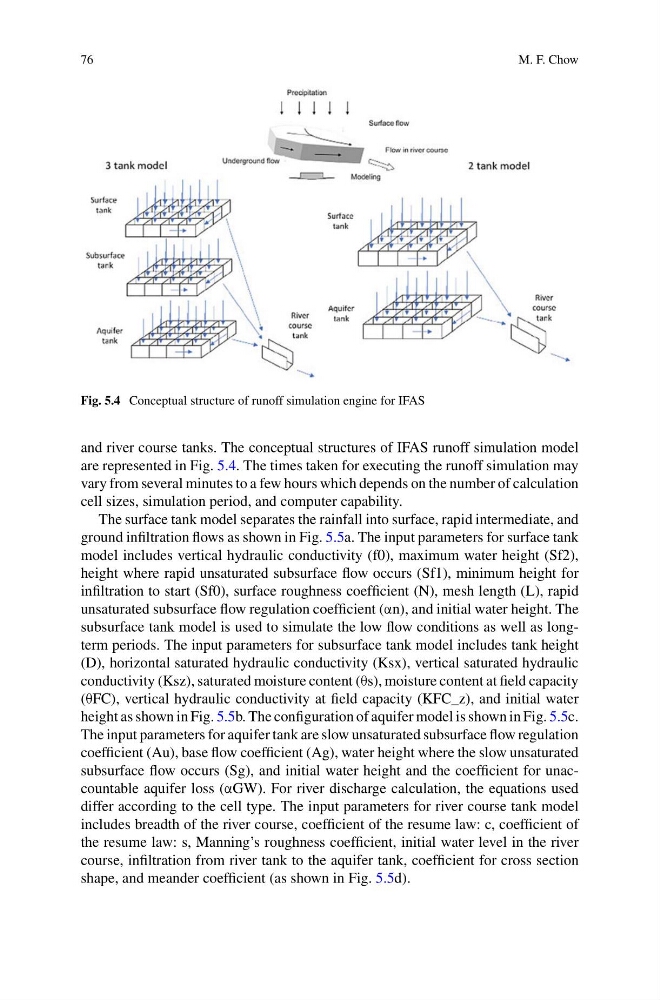
Fig. 5.4 Conceptual structure of runoff simulation engine for IFAS
and river course tanks. The conceptual structures of IFAS runoff simulation model
are represented in Fig. 5.4. The times taken for executing the runoff simulation may
vary from several minutes to a few hours which depends on the number of calculation
cell sizes, simulation period, and computer capability.
The surface tank model separates the rainfall into surface, rapid intermediate, and
ground infiltration flows as shown in Fig. 5.5a. The input parameters for surface tank
model includes vertical hydraulic conductivity (f0), maximum water height (Sf2),
height where rapid unsaturated subsurface flow occurs (Sf1), minimum height for
infiltration to start (Sf0), surface roughness coefficient (N), mesh length (L), rapid
unsaturated subsurface flow regulation coefficient (αn), and initial water height. The
subsurface tank model is used to simulate the low flow conditions as well as longterm periods. The input parameters for subsurface tank model includes tank height
(D), horizontal saturated hydraulic conductivity (Ksx), vertical saturated hydraulic
conductivity (Ksz), saturated moisture content (θs), moisture content at field capacity
(θFC), vertical hydraulic conductivity at field capacity (KFC_z), and initial water
height as shown in Fig. 5.5b. The configuration of aquifer model is shown in Fig. 5.5c.
The input parameters for aquifer tank are slow unsaturated subsurface flow regulation
coefficient (Au), base flow coefficient (Ag), water height where the slow unsaturated
subsurface flow occurs (Sg), and initial water height and the coefficient for unaccountable aquifer loss (αGW). For river discharge calculation, the equations used
differ according to the cell type. The input parameters for river course tank model
includes breadth of the river course, coefficient of the resume law: c, coefficient of
the resume law: s, Manning’s roughness coefficient, initial water level in the river
course, infiltration from river tank to the aquifer tank, coefficient for cross section
shape, and meander coefficient (as shown in Fig. 5.5d).
M. F. Chow
Fig. 5.4 Conceptual structure of runoff simulation engine for IFAS
and river course tanks. The conceptual structures of IFAS runoff simulation model
are represented in Fig. 5.4. The times taken for executing the runoff simulation may
vary from several minutes to a few hours which depends on the number of calculation
cell sizes, simulation period, and computer capability.
The surface tank model separates the rainfall into surface, rapid intermediate, and
ground infiltration flows as shown in Fig. 5.5a. The input parameters for surface tank
model includes vertical hydraulic conductivity (f0), maximum water height (Sf2),
height where rapid unsaturated subsurface flow occurs (Sf1), minimum height for
infiltration to start (Sf0), surface roughness coefficient (N), mesh length (L), rapid
unsaturated subsurface flow regulation coefficient (αn), and initial water height. The
subsurface tank model is used to simulate the low flow conditions as well as longterm periods. The input parameters for subsurface tank model includes tank height
(D), horizontal saturated hydraulic conductivity (Ksx), vertical saturated hydraulic
conductivity (Ksz), saturated moisture content (θs), moisture content at field capacity
(θFC), vertical hydraulic conductivity at field capacity (KFC_z), and initial water
height as shown in Fig. 5.5b. The configuration of aquifer model is shown in Fig. 5.5c.
The input parameters for aquifer tank are slow unsaturated subsurface flow regulation
coefficient (Au), base flow coefficient (Ag), water height where the slow unsaturated
subsurface flow occurs (Sg), and initial water height and the coefficient for unaccountable aquifer loss (αGW). For river discharge calculation, the equations used
differ according to the cell type. The input parameters for river course tank model
includes breadth of the river course, coefficient of the resume law: c, coefficient of
the resume law: s, Manning’s roughness coefficient, initial water level in the river
course, infiltration from river tank to the aquifer tank, coefficient for cross section
shape, and meander coefficient (as shown in Fig. 5.5d).