

342
S. Lindbergh and J. Radke
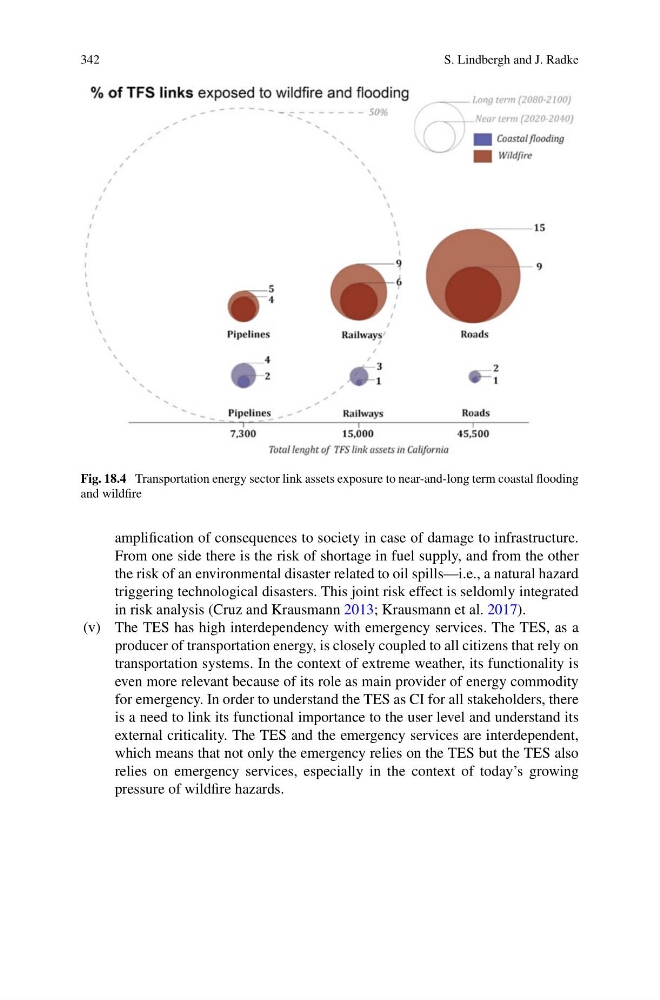
Fig. 18.4 Transportation energy sector link assets exposure to near-and-long term coastal flooding
and wildfire
amplification of consequences to society in case of damage to infrastructure.
From one side there is the risk of shortage in fuel supply, and from the other
the risk of an environmental disaster related to oil spills—i.e., a natural hazard
triggering technological disasters. This joint risk effect is seldomly integrated
in risk analysis (Cruz and Krausmann 2013; Krausmann et al. 2017).
(v) The TES has high interdependency with emergency services. The TES, as a
producer of transportation energy, is closely coupled to all citizens that rely on
transportation systems. In the context of extreme weather, its functionality is
even more relevant because of its role as main provider of energy commodity
for emergency. In order to understand the TES as CI for all stakeholders, there
is a need to link its functional importance to the user level and understand its
external criticality. The TES and the emergency services are interdependent,
which means that not only the emergency relies on the TES but the TES also
relies on emergency services, especially in the context of today’s growing
pressure of wildfire hazards.
S. Lindbergh and J. Radke
Fig. 18.4 Transportation energy sector link assets exposure to near-and-long term coastal flooding
and wildfire
amplification of consequences to society in case of damage to infrastructure.
From one side there is the risk of shortage in fuel supply, and from the other
the risk of an environmental disaster related to oil spills—i.e., a natural hazard
triggering technological disasters. This joint risk effect is seldomly integrated
in risk analysis (Cruz and Krausmann 2013; Krausmann et al. 2017).
(v) The TES has high interdependency with emergency services. The TES, as a
producer of transportation energy, is closely coupled to all citizens that rely on
transportation systems. In the context of extreme weather, its functionality is
even more relevant because of its role as main provider of energy commodity
for emergency. In order to understand the TES as CI for all stakeholders, there
is a need to link its functional importance to the user level and understand its
external criticality. The TES and the emergency services are interdependent,
which means that not only the emergency relies on the TES but the TES also
relies on emergency services, especially in the context of today’s growing
pressure of wildfire hazards.