

18 Bridging the Vulnerability Paradigm to Critical Infrastructure …
341
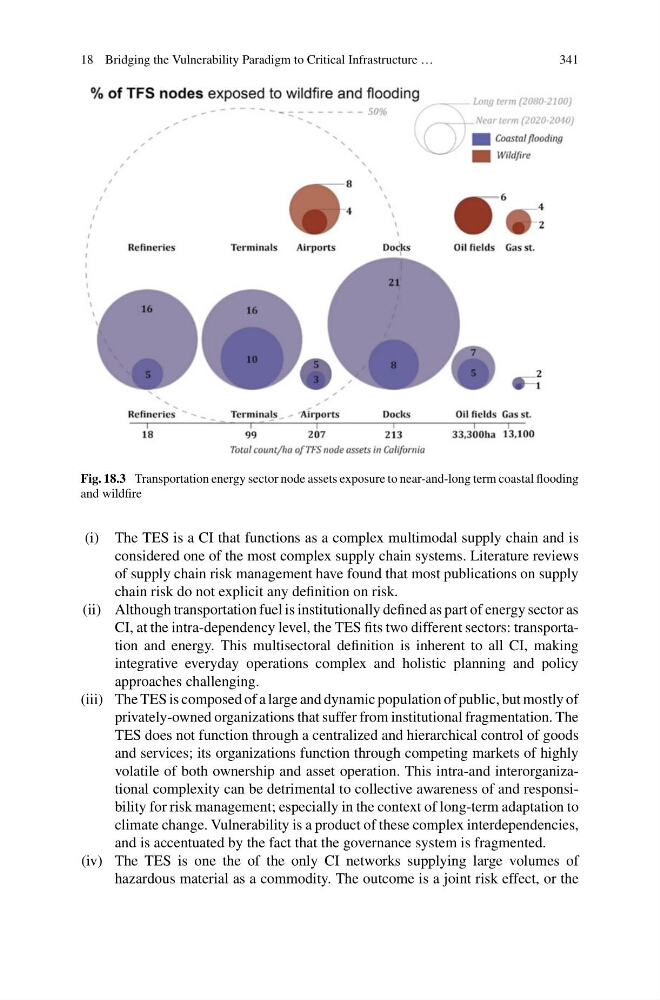
Fig. 18.3 Transportation energy sector node assets exposure to near-and-long term coastal flooding
and wildfire
(i) The TES is a CI that functions as a complex multimodal supply chain and is
considered one of the most complex supply chain systems. Literature reviews
of supply chain risk management have found that most publications on supply
chain risk do not explicit any definition on risk.
(ii) Although transportation fuel is institutionally defined as part of energy sector as
CI, at the intra-dependency level, the TES fits two different sectors: transportation and energy. This multisectoral definition is inherent to all CI, making
integrative everyday operations complex and holistic planning and policy
approaches challenging.
(iii) The TES is composed of a large and dynamic population of public, but mostly of
privately-owned organizations that suffer from institutional fragmentation. The
TES does not function through a centralized and hierarchical control of goods
and services; its organizations function through competing markets of highly
volatile of both ownership and asset operation. This intra-and interorganizational complexity can be detrimental to collective awareness of and responsibility for risk management; especially in the context of long-term adaptation to
climate change. Vulnerability is a product of these complex interdependencies,
and is accentuated by the fact that the governance system is fragmented.
(iv) The TES is one the of the only CI networks supplying large volumes of
hazardous material as a commodity. The outcome is a joint risk effect, or the
341
Fig. 18.3 Transportation energy sector node assets exposure to near-and-long term coastal flooding
and wildfire
(i) The TES is a CI that functions as a complex multimodal supply chain and is
considered one of the most complex supply chain systems. Literature reviews
of supply chain risk management have found that most publications on supply
chain risk do not explicit any definition on risk.
(ii) Although transportation fuel is institutionally defined as part of energy sector as
CI, at the intra-dependency level, the TES fits two different sectors: transportation and energy. This multisectoral definition is inherent to all CI, making
integrative everyday operations complex and holistic planning and policy
approaches challenging.
(iii) The TES is composed of a large and dynamic population of public, but mostly of
privately-owned organizations that suffer from institutional fragmentation. The
TES does not function through a centralized and hierarchical control of goods
and services; its organizations function through competing markets of highly
volatile of both ownership and asset operation. This intra-and interorganizational complexity can be detrimental to collective awareness of and responsibility for risk management; especially in the context of long-term adaptation to
climate change. Vulnerability is a product of these complex interdependencies,
and is accentuated by the fact that the governance system is fragmented.
(iv) The TES is one the of the only CI networks supplying large volumes of
hazardous material as a commodity. The outcome is a joint risk effect, or the