

272
F. Shidiq et al.
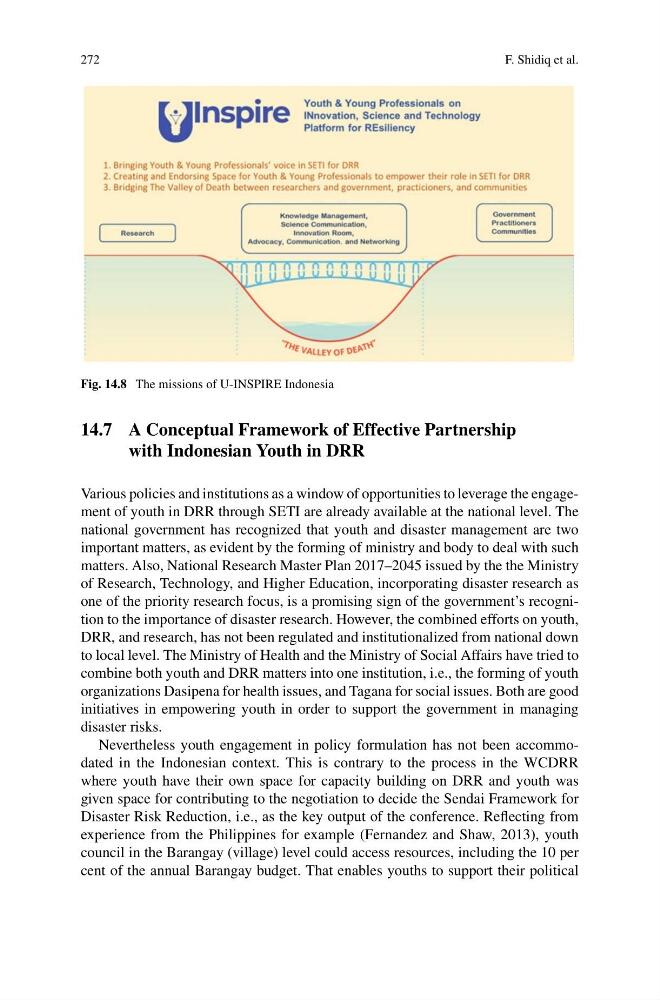
Fig. 14.8 The missions of U-INSPIRE Indonesia
14.7 A Conceptual Framework of Effective Partnership
with Indonesian Youth in DRR
Various policies and institutions as a window of opportunities to leverage the engagement of youth in DRR through SETI are already available at the national level. The
national government has recognized that youth and disaster management are two
important matters, as evident by the forming of ministry and body to deal with such
matters. Also, National Research Master Plan 2017–2045 issued by the the Ministry
of Research, Technology, and Higher Education, incorporating disaster research as
one of the priority research focus, is a promising sign of the government’s recognition to the importance of disaster research. However, the combined efforts on youth,
DRR, and research, has not been regulated and institutionalized from national down
to local level. The Ministry of Health and the Ministry of Social Affairs have tried to
combine both youth and DRR matters into one institution, i.e., the forming of youth
organizations Dasipena for health issues, and Tagana for social issues. Both are good
initiatives in empowering youth in order to support the government in managing
disaster risks.
Nevertheless youth engagement in policy formulation has not been accommodated in the Indonesian context. This is contrary to the process in the WCDRR
where youth have their own space for capacity building on DRR and youth was
given space for contributing to the negotiation to decide the Sendai Framework for
Disaster Risk Reduction, i.e., as the key output of the conference. Reflecting from
experience from the Philippines for example (Fernandez and Shaw, 2013), youth
council in the Barangay (village) level could access resources, including the 10 per
cent of the annual Barangay budget. That enables youths to support their political
F. Shidiq et al.
Fig. 14.8 The missions of U-INSPIRE Indonesia
14.7 A Conceptual Framework of Effective Partnership
with Indonesian Youth in DRR
Various policies and institutions as a window of opportunities to leverage the engagement of youth in DRR through SETI are already available at the national level. The
national government has recognized that youth and disaster management are two
important matters, as evident by the forming of ministry and body to deal with such
matters. Also, National Research Master Plan 2017–2045 issued by the the Ministry
of Research, Technology, and Higher Education, incorporating disaster research as
one of the priority research focus, is a promising sign of the government’s recognition to the importance of disaster research. However, the combined efforts on youth,
DRR, and research, has not been regulated and institutionalized from national down
to local level. The Ministry of Health and the Ministry of Social Affairs have tried to
combine both youth and DRR matters into one institution, i.e., the forming of youth
organizations Dasipena for health issues, and Tagana for social issues. Both are good
initiatives in empowering youth in order to support the government in managing
disaster risks.
Nevertheless youth engagement in policy formulation has not been accommodated in the Indonesian context. This is contrary to the process in the WCDRR
where youth have their own space for capacity building on DRR and youth was
given space for contributing to the negotiation to decide the Sendai Framework for
Disaster Risk Reduction, i.e., as the key output of the conference. Reflecting from
experience from the Philippines for example (Fernandez and Shaw, 2013), youth
council in the Barangay (village) level could access resources, including the 10 per
cent of the annual Barangay budget. That enables youths to support their political