

270
F. Shidiq et al.
various pilot programs and projects on disaster education and safe schools, until
present Indonesia has not yet able to ensure nationwide implementation at all schools
due to low institutionalization at education sector (Bisri and Sakurai 2017). Accordingly, on leveraging youth engagement on DRR, it should work both ways where
disaster management affairs provide space for youth and youth development policy
has to specifically provide programs related to DRR.
As elaborated before, the government has seen the youth affairs as important
matters. The abovementioned law and regulations allow various groups of youth to get
the opportunity to be facilitated by the government to have their skills, knowledge, and
various capacities increased. Despite the Law No. 40/2009 gives importance to have
youth as active development actors, they are still not represented in the advisory board
of BNPB. Head of BNPB Regulation No. 2/2008 explains the selection mechanism
and criteria of disaster management advisory board member in the BNPB, which
consists of 19 personnel: 10 from government and 9 from professionals/society or
local leaders with a minimum age of 30 years old. This seems to be a strategic position
in determining the policy and implementation of disaster management at the national
level, and thus youth representation is worth to be considered. Upon looking at policy
statements of several line ministries in Indonesia, one can also conclude that basically
youth engagement is rather as a potential alternative and auxiliary implementer to
achieve government’s policy targets. Case in point, the Ministry of Youth and Sport,
BAPPENAS, and UNFPA just recently completed the enactment of National Youth
Action Plan (RAN Kepemudaan) 2015–2019, which serves as a technical document
for materializing the 2009 Youth Law. However, BNPB is not within the list of 25
ministries identified in the RAN Kepemudaan.
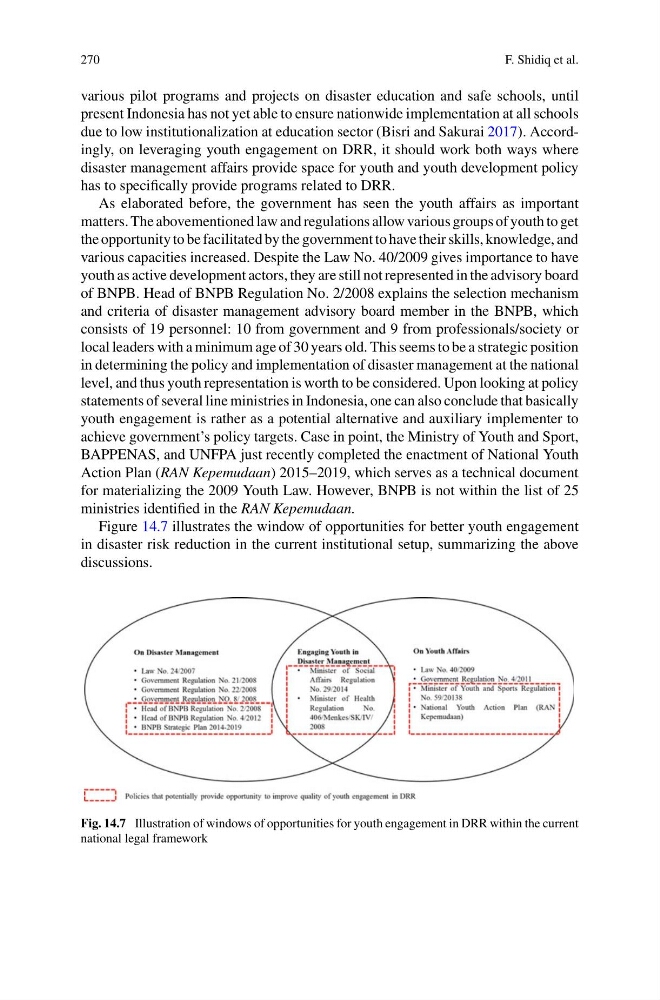
Figure 14.7 illustrates the window of opportunities for better youth engagement
in disaster risk reduction in the current institutional setup, summarizing the above
discussions.
Fig. 14.7 Illustration of windows of opportunities for youth engagement in DRR within the current
national legal framework
F. Shidiq et al.
various pilot programs and projects on disaster education and safe schools, until
present Indonesia has not yet able to ensure nationwide implementation at all schools
due to low institutionalization at education sector (Bisri and Sakurai 2017). Accordingly, on leveraging youth engagement on DRR, it should work both ways where
disaster management affairs provide space for youth and youth development policy
has to specifically provide programs related to DRR.
As elaborated before, the government has seen the youth affairs as important
matters. The abovementioned law and regulations allow various groups of youth to get
the opportunity to be facilitated by the government to have their skills, knowledge, and
various capacities increased. Despite the Law No. 40/2009 gives importance to have
youth as active development actors, they are still not represented in the advisory board
of BNPB. Head of BNPB Regulation No. 2/2008 explains the selection mechanism
and criteria of disaster management advisory board member in the BNPB, which
consists of 19 personnel: 10 from government and 9 from professionals/society or
local leaders with a minimum age of 30 years old. This seems to be a strategic position
in determining the policy and implementation of disaster management at the national
level, and thus youth representation is worth to be considered. Upon looking at policy
statements of several line ministries in Indonesia, one can also conclude that basically
youth engagement is rather as a potential alternative and auxiliary implementer to
achieve government’s policy targets. Case in point, the Ministry of Youth and Sport,
BAPPENAS, and UNFPA just recently completed the enactment of National Youth
Action Plan (RAN Kepemudaan) 2015–2019, which serves as a technical document
for materializing the 2009 Youth Law. However, BNPB is not within the list of 25
ministries identified in the RAN Kepemudaan.
Figure 14.7 illustrates the window of opportunities for better youth engagement
in disaster risk reduction in the current institutional setup, summarizing the above
discussions.
Fig. 14.7 Illustration of windows of opportunities for youth engagement in DRR within the current
national legal framework