

170
X. Jin
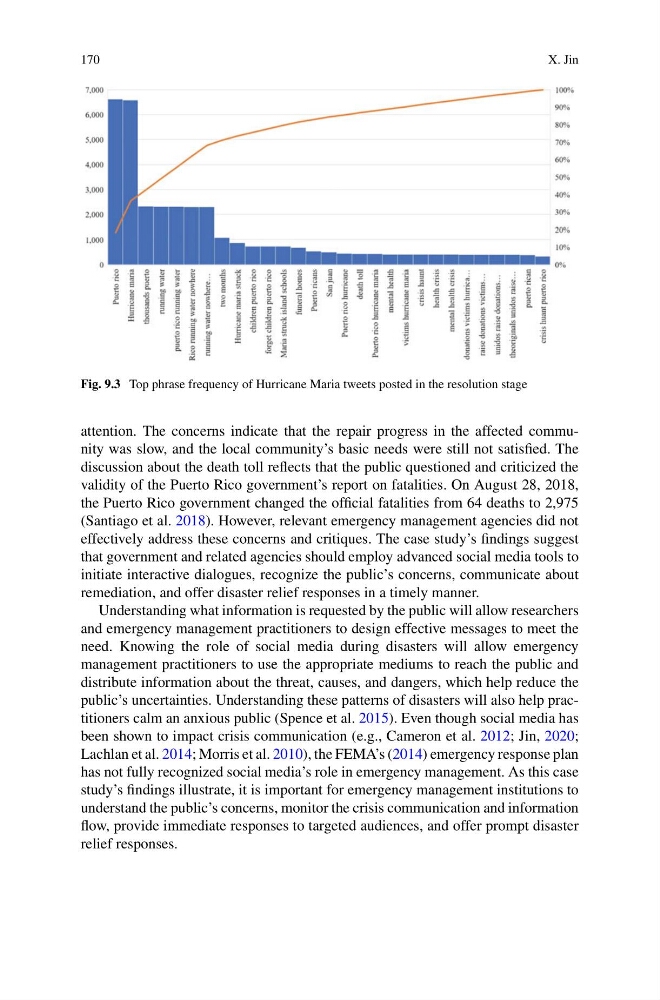
Fig. 9.3 Top phrase frequency of Hurricane Maria tweets posted in the resolution stage
attention. The concerns indicate that the repair progress in the affected community was slow, and the local community’s basic needs were still not satisfied. The
discussion about the death toll reflects that the public questioned and criticized the
validity of the Puerto Rico government’s report on fatalities. On August 28, 2018,
the Puerto Rico government changed the official fatalities from 64 deaths to 2,975
(Santiago et al. 2018). However, relevant emergency management agencies did not
effectively address these concerns and critiques. The case study’s findings suggest
that government and related agencies should employ advanced social media tools to
initiate interactive dialogues, recognize the public’s concerns, communicate about
remediation, and offer disaster relief responses in a timely manner.
Understanding what information is requested by the public will allow researchers
and emergency management practitioners to design effective messages to meet the
need. Knowing the role of social media during disasters will allow emergency
management practitioners to use the appropriate mediums to reach the public and
distribute information about the threat, causes, and dangers, which help reduce the
public’s uncertainties. Understanding these patterns of disasters will also help practitioners calm an anxious public (Spence et al. 2015). Even though social media has
been shown to impact crisis communication (e.g., Cameron et al. 2012; Jin, 2020;
Lachlan et al. 2014; Morris et al. 2010), the FEMA’s (2014) emergency response plan
has not fully recognized social media’s role in emergency management. As this case
study’s findings illustrate, it is important for emergency management institutions to
understand the public’s concerns, monitor the crisis communication and information
flow, provide immediate responses to targeted audiences, and offer prompt disaster
relief responses.
X. Jin
Fig. 9.3 Top phrase frequency of Hurricane Maria tweets posted in the resolution stage
attention. The concerns indicate that the repair progress in the affected community was slow, and the local community’s basic needs were still not satisfied. The
discussion about the death toll reflects that the public questioned and criticized the
validity of the Puerto Rico government’s report on fatalities. On August 28, 2018,
the Puerto Rico government changed the official fatalities from 64 deaths to 2,975
(Santiago et al. 2018). However, relevant emergency management agencies did not
effectively address these concerns and critiques. The case study’s findings suggest
that government and related agencies should employ advanced social media tools to
initiate interactive dialogues, recognize the public’s concerns, communicate about
remediation, and offer disaster relief responses in a timely manner.
Understanding what information is requested by the public will allow researchers
and emergency management practitioners to design effective messages to meet the
need. Knowing the role of social media during disasters will allow emergency
management practitioners to use the appropriate mediums to reach the public and
distribute information about the threat, causes, and dangers, which help reduce the
public’s uncertainties. Understanding these patterns of disasters will also help practitioners calm an anxious public (Spence et al. 2015). Even though social media has
been shown to impact crisis communication (e.g., Cameron et al. 2012; Jin, 2020;
Lachlan et al. 2014; Morris et al. 2010), the FEMA’s (2014) emergency response plan
has not fully recognized social media’s role in emergency management. As this case
study’s findings illustrate, it is important for emergency management institutions to
understand the public’s concerns, monitor the crisis communication and information
flow, provide immediate responses to targeted audiences, and offer prompt disaster
relief responses.