

7.5.3 Benefits of Non-symbiotic Nitrogen
Fixation
The density of Azotobacter in the rhizosphere and in
root-free soils in different Libyan soils, including some oases
and some fields of vegetable crops, were determined. Azotobacter was detected in adequate numbers in soils from
Tripoli, El-Marj, and Agdabia, and the rhizospheres of cultivated soils contained higher counts of Azotobacter than
root-free soils. Meanwhile, the oases soils contained none or
very few numbers. Beijerinckia was found only in the soils
of El-Marj, El-Kuffra, and Hoon. The rhizosphere soil of
alfalfa had higher counts of Azotobacter, followed by
broad-bean, wheat, and barley. In the case of soils under
vegetable plants, tomato soils had the highest counts of
Azotobacter compared with carrot soil (Makawi 1973).
When the potato cultivar Arran Banner inoculated with
Azotobacter chroococcum, the plant responded significantly,
and its growth was stimulated. The yield of marketable
tubers increased by 8.5–42.6% (Imam and Badawy 1978).
Azotobacter inoculum can increase the rate of nitrogen
fixation with non-leguminous crops, subsequently improving
soil fertility. Using Azotobacter species isolated from Wadi
Elrabie soil (Tajura) as inoculum to inoculate Barely Hordeum had a positive role in increasing the dry weight of the
shoot and root of the plant and also led to an increase in the
density of Azotobacter in the rhizosphere (Ben Mahmoud
and Frejani 2016). In another study, inoculation with nitrogen-fixating bacteria, Burkholderia ssp. isolated from Libyan soil and different rates of nitrogen fertilizer (ammonium
phosphate) increased the productivity of the tomato. The
highest percentage of productivity was achieved when
Burkholderia sp. inoculum was used with 180 kg N/ha of
fertilizer, where the yield was 17.50 kg/plant (280.83 ton/ha)
(Ben Mahmoud 2016).
The influence of soil pH on Azotobacter population using
microbiological characteristics as bio-measurement in arable
lands was detected in 15 samples of soil collected from the
rhizosphere soil from different regions in Tripoli. The
microscopical and biochemical tests classified the isolated
bacteria as Azotobacter sp. (Fig. 7.21). The results showed
that all soil samples contained Azotobacter, and the high
population of Azotobacter was observed in soil samples with
the range of pH (7–7.5). Azotobacter tended to grow better
in neutral soils than in slightly alkaline soils. Increasing the
nitrogen percentage in soil corresponds to increasing the
Azotobacter population (Ben Mahmoud and Ferjani, 2018)
(Fig. 7.22).
Inoculation of grass-cycling compost with N 2 -fixing
bacteria may improve its quality by increasing total nitrogen
and available phosphorus. Inoculation of compost with
Azotobacter sp., Burkholderia sp. and Azospirillum sp., each
alone and all three together, increased the total N by 5–15%
(Fig. 7.23), and the available P by 20–30% (Fig. 7.24) in
comparison with the uninoculated. Increasing the N content
and P availability of compost increases its value, and there
may be additional benefits from providing N 2 -fixing bacteria
(Ben Mahmoud et al. 2018). Some studies dealt with
biofertilizer, but they did not reach the point of commercial
use and were limited only to laboratories and simple trading.
7.5.4 The Effect of Pesticides on Bacteria
Related to Soil Nitrogen
Some pesticides remain in the soil for a long time and resist
degradation, causing negative effects on beneficial organisms such as nitrogen-fixing bacteria. Soil microbes are
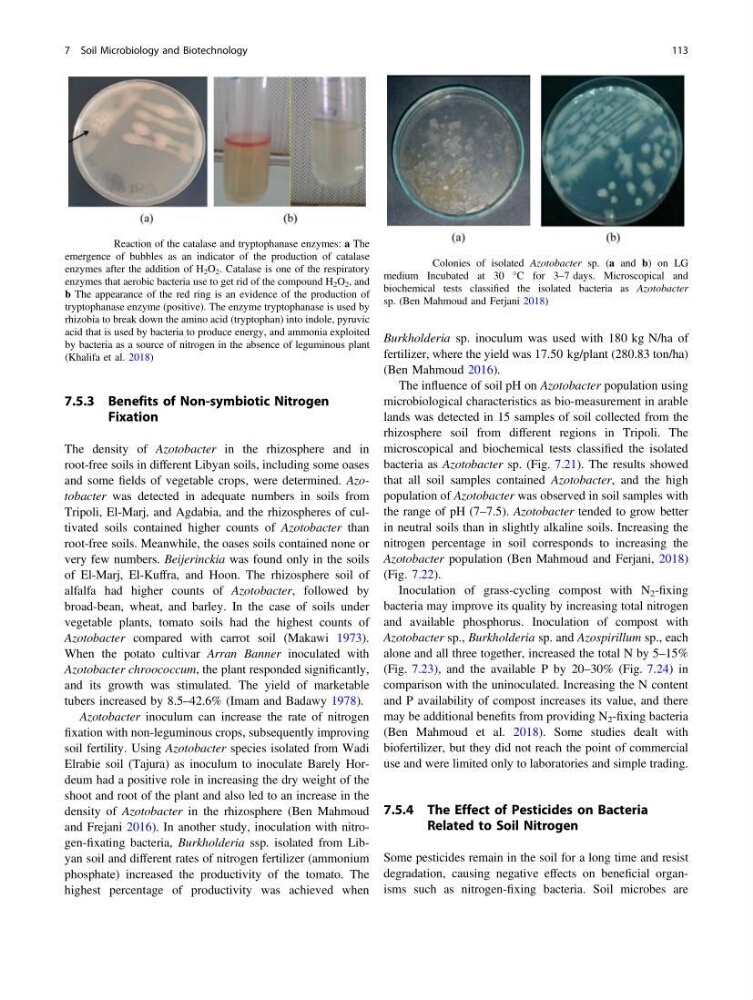
Fig. 7.20 Reaction of the catalase and tryptophanase enzymes: a The
emergence of bubbles as an indicator of the production of catalase
enzymes after the addition of H 2 O 2 . Catalase is one of the respiratory
enzymes that aerobic bacteria use to get rid of the compound H 2 O 2 , and
b The appearance of the red ring is an evidence of the production of
tryptophanase enzyme (positive). The enzyme tryptophanase is used by
rhizobia to break down the amino acid (tryptophan) into indole, pyruvic
acid that is used by bacteria to produce energy, and ammonia exploited
by bacteria as a source of nitrogen in the absence of leguminous plant
(Khalifa et al. 2018)
Fig. 7.21 Colonies of isolated Azotobacter sp. (a and b) on LG
medium Incubated at 30 °C for 3–7 days. Microscopical and
biochemical tests classified the isolated bacteria as Azotobacter
sp. (Ben Mahmoud and Ferjani 2018)
7 Soil Microbiology and Biotechnology
113
Fixation
The density of Azotobacter in the rhizosphere and in
root-free soils in different Libyan soils, including some oases
and some fields of vegetable crops, were determined. Azotobacter was detected in adequate numbers in soils from
Tripoli, El-Marj, and Agdabia, and the rhizospheres of cultivated soils contained higher counts of Azotobacter than
root-free soils. Meanwhile, the oases soils contained none or
very few numbers. Beijerinckia was found only in the soils
of El-Marj, El-Kuffra, and Hoon. The rhizosphere soil of
alfalfa had higher counts of Azotobacter, followed by
broad-bean, wheat, and barley. In the case of soils under
vegetable plants, tomato soils had the highest counts of
Azotobacter compared with carrot soil (Makawi 1973).
When the potato cultivar Arran Banner inoculated with
Azotobacter chroococcum, the plant responded significantly,
and its growth was stimulated. The yield of marketable
tubers increased by 8.5–42.6% (Imam and Badawy 1978).
Azotobacter inoculum can increase the rate of nitrogen
fixation with non-leguminous crops, subsequently improving
soil fertility. Using Azotobacter species isolated from Wadi
Elrabie soil (Tajura) as inoculum to inoculate Barely Hordeum had a positive role in increasing the dry weight of the
shoot and root of the plant and also led to an increase in the
density of Azotobacter in the rhizosphere (Ben Mahmoud
and Frejani 2016). In another study, inoculation with nitrogen-fixating bacteria, Burkholderia ssp. isolated from Libyan soil and different rates of nitrogen fertilizer (ammonium
phosphate) increased the productivity of the tomato. The
highest percentage of productivity was achieved when
Burkholderia sp. inoculum was used with 180 kg N/ha of
fertilizer, where the yield was 17.50 kg/plant (280.83 ton/ha)
(Ben Mahmoud 2016).
The influence of soil pH on Azotobacter population using
microbiological characteristics as bio-measurement in arable
lands was detected in 15 samples of soil collected from the
rhizosphere soil from different regions in Tripoli. The
microscopical and biochemical tests classified the isolated
bacteria as Azotobacter sp. (Fig. 7.21). The results showed
that all soil samples contained Azotobacter, and the high
population of Azotobacter was observed in soil samples with
the range of pH (7–7.5). Azotobacter tended to grow better
in neutral soils than in slightly alkaline soils. Increasing the
nitrogen percentage in soil corresponds to increasing the
Azotobacter population (Ben Mahmoud and Ferjani, 2018)
(Fig. 7.22).
Inoculation of grass-cycling compost with N 2 -fixing
bacteria may improve its quality by increasing total nitrogen
and available phosphorus. Inoculation of compost with
Azotobacter sp., Burkholderia sp. and Azospirillum sp., each
alone and all three together, increased the total N by 5–15%
(Fig. 7.23), and the available P by 20–30% (Fig. 7.24) in
comparison with the uninoculated. Increasing the N content
and P availability of compost increases its value, and there
may be additional benefits from providing N 2 -fixing bacteria
(Ben Mahmoud et al. 2018). Some studies dealt with
biofertilizer, but they did not reach the point of commercial
use and were limited only to laboratories and simple trading.
7.5.4 The Effect of Pesticides on Bacteria
Related to Soil Nitrogen
Some pesticides remain in the soil for a long time and resist
degradation, causing negative effects on beneficial organisms such as nitrogen-fixing bacteria. Soil microbes are
Fig. 7.20 Reaction of the catalase and tryptophanase enzymes: a The
emergence of bubbles as an indicator of the production of catalase
enzymes after the addition of H 2 O 2 . Catalase is one of the respiratory
enzymes that aerobic bacteria use to get rid of the compound H 2 O 2 , and
b The appearance of the red ring is an evidence of the production of
tryptophanase enzyme (positive). The enzyme tryptophanase is used by
rhizobia to break down the amino acid (tryptophan) into indole, pyruvic
acid that is used by bacteria to produce energy, and ammonia exploited
by bacteria as a source of nitrogen in the absence of leguminous plant
(Khalifa et al. 2018)
Fig. 7.21 Colonies of isolated Azotobacter sp. (a and b) on LG
medium Incubated at 30 °C for 3–7 days. Microscopical and
biochemical tests classified the isolated bacteria as Azotobacter
sp. (Ben Mahmoud and Ferjani 2018)
7 Soil Microbiology and Biotechnology
113