

isolates grew at temperatures higher than 44 °C and tolerated
high degrees of alkalinity (exceeding pH 9). The isolates
distinguished in their tolerance to various stress factors could
be nominated for use as inoculum for forage crops such as
alfalfa (M. sativa), and cultivated legumes such as fenugreek
(T. foenumgraecum), due to its high competitiveness
(Ibrahim et al. 2019).
Sea water is a major source of salts that reaches coastal
agricultural lands through the drizzle (Aerosol) or through
interference with groundwater that leads to what is known as
secondary salting as a result of the accumulation of salts.
Determination of the tolerance of Rhizobium leguminosarum
isolates to different concentrations of salinity stress, which
were isolated from faba bean grown on different soil types of
Al Jabal Al Akhdar region, revealed that some variations
were observed in bacterial response to different salt stress.
The differences in response to salinity reflect the adaptation
of the strains to tolerate increased salinity stress and the
direct and indirect effects of salts. At high salinity levels,
detrimental effects were also observed. The difference in
response between the strains may also be attributable to the
differences in the chemical and physical properties of the
soils from where the strains were isolated. This soil is not
saline, but the strains would have been subject to severe salt
conditions during droughts periods that characterize the
Mediterranean regions, which are located within the
semi-arid zone (Shoaib et al. 2009).
Studying the effects of Na
+
, Ca
2+ , Mg
2+ , and Boron
(B) concentrations and sodicity on the growth of Rhizobium
leguminosarum isolated from a salt-affected soil led to the
conclusion that Na
+ concentrations of more than 1.1 g L
−1
impeded growth, especially at high sodium adsorption ratio
(SAR) values. Mg
2+ , added together with Na
+ or with (Ca
2
+ + Na
+
), affected growth more negatively than (Ca
2
+ + Na
+
) alone. It was concluded that EC of more than 4 dS
m
−1 retarded the growth of Rhizobium, but only at high
sodicity levels. When SAR increased from 10 to 30, Na
+ had
no clear effect on growth, irrespective of the accompanied
cations. Growth was reduced by B concentrations as low as
0.5 mg L
−1 , and the B effect was enhanced by increased
salinity (Faituri et al. 2001).
Fiatori et al. (1996) concluded in a previous study that
salinity and soda had a clear negative effect on the symbiotic
relationship between bacteria and bean plant and that high
soda levels led to a significant increase in the number of root
nodules. However, this increase was not accompanied by any
increase in the amount of total nitrogen, which may indicate
an inefficiency of the root nodules. Therefore, when investing
lands affected by salts or when irrigating with salty water, it is
necessary to choose the most tolerable varieties of legumes
that are salt-tolerant with the use for inoculum of Rhizobium
bacteria isolated from the same soil for cultivation.
In order to solve the problem of salinity, consideration
must be given to the facts of research findings and related
recommendations. These studies may explain the presence of
rhizobia isolates that are suitable for different soils and for
different environmental conditions prevailing in the region.
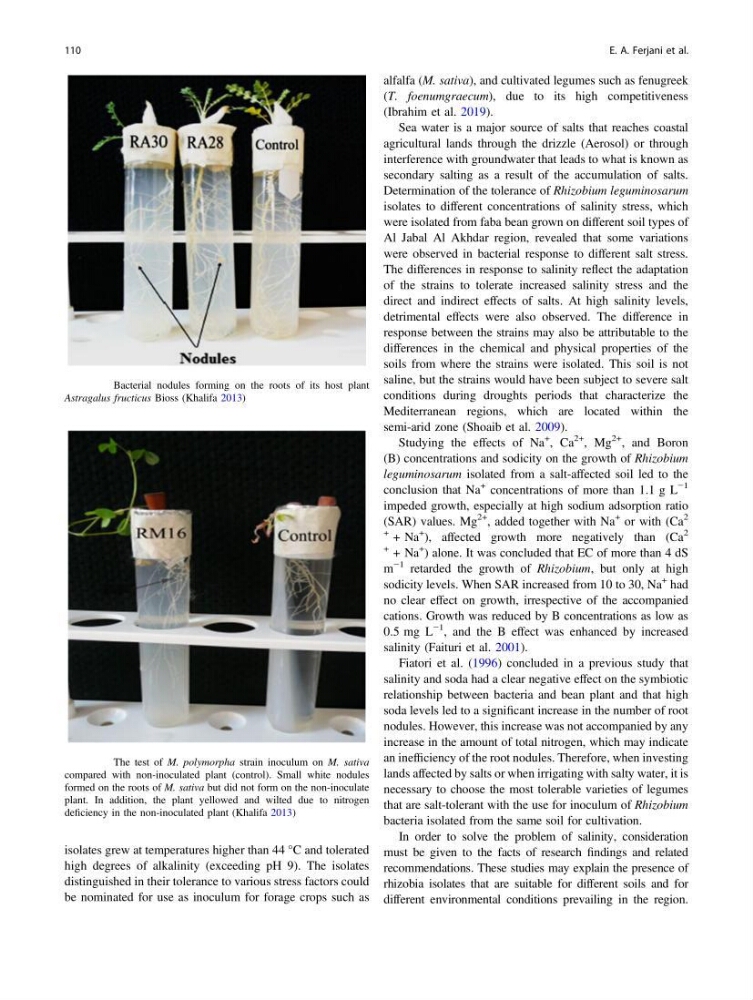
Fig. 7.13 Bacterial nodules forming on the roots of its host plant
Astragalus fructicus Bioss (Khalifa 2013)
Fig. 7.14 The test of M. polymorpha strain inoculum on M. sativa
compared with non-inoculated plant (control). Small white nodules
formed on the roots of M. sativa but did not form on the non-inoculate
plant. In addition, the plant yellowed and wilted due to nitrogen
deficiency in the non-inoculated plant (Khalifa 2013)
110
E. A. Ferjani et al.
high degrees of alkalinity (exceeding pH 9). The isolates
distinguished in their tolerance to various stress factors could
be nominated for use as inoculum for forage crops such as
alfalfa (M. sativa), and cultivated legumes such as fenugreek
(T. foenumgraecum), due to its high competitiveness
(Ibrahim et al. 2019).
Sea water is a major source of salts that reaches coastal
agricultural lands through the drizzle (Aerosol) or through
interference with groundwater that leads to what is known as
secondary salting as a result of the accumulation of salts.
Determination of the tolerance of Rhizobium leguminosarum
isolates to different concentrations of salinity stress, which
were isolated from faba bean grown on different soil types of
Al Jabal Al Akhdar region, revealed that some variations
were observed in bacterial response to different salt stress.
The differences in response to salinity reflect the adaptation
of the strains to tolerate increased salinity stress and the
direct and indirect effects of salts. At high salinity levels,
detrimental effects were also observed. The difference in
response between the strains may also be attributable to the
differences in the chemical and physical properties of the
soils from where the strains were isolated. This soil is not
saline, but the strains would have been subject to severe salt
conditions during droughts periods that characterize the
Mediterranean regions, which are located within the
semi-arid zone (Shoaib et al. 2009).
Studying the effects of Na
+
, Ca
2+ , Mg
2+ , and Boron
(B) concentrations and sodicity on the growth of Rhizobium
leguminosarum isolated from a salt-affected soil led to the
conclusion that Na
+ concentrations of more than 1.1 g L
−1
impeded growth, especially at high sodium adsorption ratio
(SAR) values. Mg
2+ , added together with Na
+ or with (Ca
2
+ + Na
+
), affected growth more negatively than (Ca
2
+ + Na
+
) alone. It was concluded that EC of more than 4 dS
m
−1 retarded the growth of Rhizobium, but only at high
sodicity levels. When SAR increased from 10 to 30, Na
+ had
no clear effect on growth, irrespective of the accompanied
cations. Growth was reduced by B concentrations as low as
0.5 mg L
−1 , and the B effect was enhanced by increased
salinity (Faituri et al. 2001).
Fiatori et al. (1996) concluded in a previous study that
salinity and soda had a clear negative effect on the symbiotic
relationship between bacteria and bean plant and that high
soda levels led to a significant increase in the number of root
nodules. However, this increase was not accompanied by any
increase in the amount of total nitrogen, which may indicate
an inefficiency of the root nodules. Therefore, when investing
lands affected by salts or when irrigating with salty water, it is
necessary to choose the most tolerable varieties of legumes
that are salt-tolerant with the use for inoculum of Rhizobium
bacteria isolated from the same soil for cultivation.
In order to solve the problem of salinity, consideration
must be given to the facts of research findings and related
recommendations. These studies may explain the presence of
rhizobia isolates that are suitable for different soils and for
different environmental conditions prevailing in the region.
Fig. 7.13 Bacterial nodules forming on the roots of its host plant
Astragalus fructicus Bioss (Khalifa 2013)
Fig. 7.14 The test of M. polymorpha strain inoculum on M. sativa
compared with non-inoculated plant (control). Small white nodules
formed on the roots of M. sativa but did not form on the non-inoculate
plant. In addition, the plant yellowed and wilted due to nitrogen
deficiency in the non-inoculated plant (Khalifa 2013)
110
E. A. Ferjani et al.