

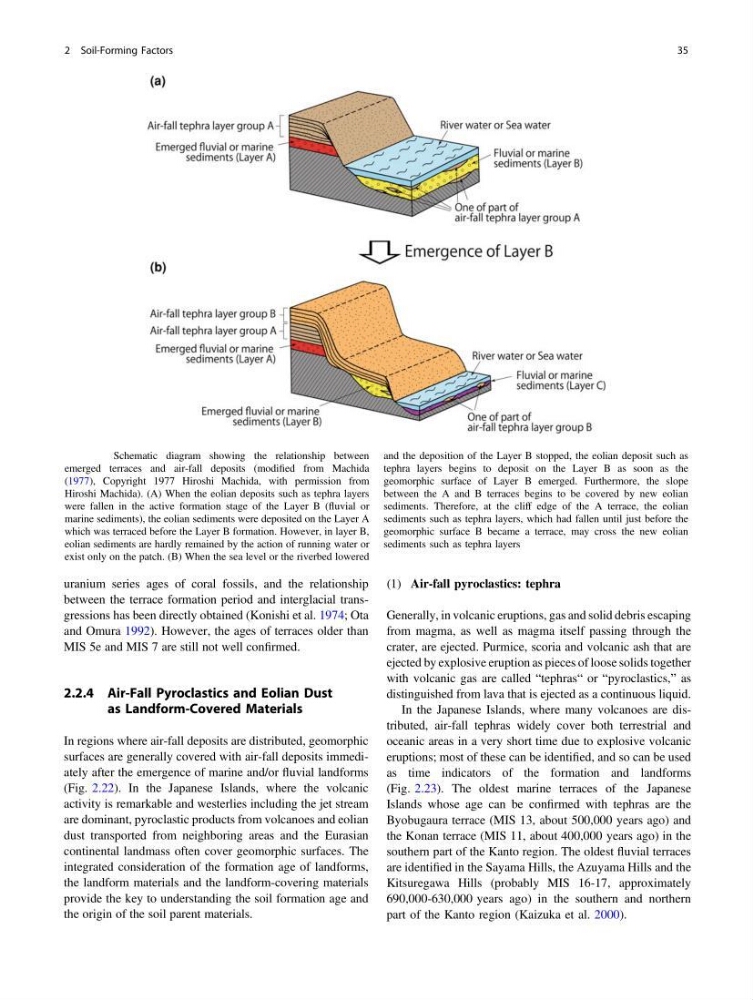
Fig. 2.22 Schematic diagram showing the relationship between
emerged terraces and air-fall deposits (modified from Machida
(1977), Copyright 1977 Hiroshi Machida, with permission from
Hiroshi Machida). (A) When the eolian deposits such as tephra layers
were fallen in the active formation stage of the Layer B (fluvial or
marine sediments), the eolian sediments were deposited on the Layer A
which was terraced before the Layer B formation. However, in layer B,
eolian sediments are hardly remained by the action of running water or
exist only on the patch. (B) When the sea level or the riverbed lowered
and the deposition of the Layer B stopped, the eolian deposit such as
tephra layers begins to deposit on the Layer B as soon as the
geomorphic surface of Layer B emerged. Furthermore, the slope
between the A and B terraces begins to be covered by new eolian
sediments. Therefore, at the cliff edge of the A terrace, the eolian
sediments such as tephra layers, which had fallen until just before the
geomorphic surface B became a terrace, may cross the new eolian
sediments such as tephra layers
uranium series ages of coral fossils, and the relationship
between the terrace formation period and interglacial transgressions has been directly obtained (Konishi et al. 1974; Ota
and Omura 1992). However, the ages of terraces older than
MIS 5e and MIS 7 are still not well confirmed.
2.2.4 Air-Fall Pyroclastics and Eolian Dust
as Landform-Covered Materials
In regions where air-fall deposits are distributed, geomorphic
surfaces are generally covered with air-fall deposits immediately after the emergence of marine and/or fluvial landforms
(Fig. 2.22). In the Japanese Islands, where the volcanic
activity is remarkable and westerlies including the jet stream
are dominant, pyroclastic products from volcanoes and eolian
dust transported from neighboring areas and the Eurasian
continental landmass often cover geomorphic surfaces. The
integrated consideration of the formation age of landforms,
the landform materials and the landform-covering materials
provide the key to understanding the soil formation age and
the origin of the soil parent materials.
(1) Air-fall pyroclastics: tephra
Generally, in volcanic eruptions, gas and solid debris escaping
from magma, as well as magma itself passing through the
crater, are ejected. Purmice, scoria and volcanic ash that are
ejected by explosive eruption as pieces of loose solids together
with volcanic gas are called “tephras“ or “pyroclastics,” as
distinguished from lava that is ejected as a continuous liquid.
In the Japanese Islands, where many volcanoes are distributed, air-fall tephras widely cover both terrestrial and
oceanic areas in a very short time due to explosive volcanic
eruptions; most of these can be identified, and so can be used
as time indicators of the formation and landforms
(Fig. 2.23). The oldest marine terraces of the Japanese
Islands whose age can be confirmed with tephras are the
Byobugaura terrace (MIS 13, about 500,000 years ago) and
the Konan terrace (MIS 11, about 400,000 years ago) in the
southern part of the Kanto region. The oldest fluvial terraces
are identified in the Sayama Hills, the Azuyama Hills and the
Kitsuregawa Hills (probably MIS 16-17, approximately
690,000-630,000 years ago) in the southern and northern
part of the Kanto region (Kaizuka et al. 2000).
2 Soil-Forming Factors
35
emerged terraces and air-fall deposits (modified from Machida
(1977), Copyright 1977 Hiroshi Machida, with permission from
Hiroshi Machida). (A) When the eolian deposits such as tephra layers
were fallen in the active formation stage of the Layer B (fluvial or
marine sediments), the eolian sediments were deposited on the Layer A
which was terraced before the Layer B formation. However, in layer B,
eolian sediments are hardly remained by the action of running water or
exist only on the patch. (B) When the sea level or the riverbed lowered
and the deposition of the Layer B stopped, the eolian deposit such as
tephra layers begins to deposit on the Layer B as soon as the
geomorphic surface of Layer B emerged. Furthermore, the slope
between the A and B terraces begins to be covered by new eolian
sediments. Therefore, at the cliff edge of the A terrace, the eolian
sediments such as tephra layers, which had fallen until just before the
geomorphic surface B became a terrace, may cross the new eolian
sediments such as tephra layers
uranium series ages of coral fossils, and the relationship
between the terrace formation period and interglacial transgressions has been directly obtained (Konishi et al. 1974; Ota
and Omura 1992). However, the ages of terraces older than
MIS 5e and MIS 7 are still not well confirmed.
2.2.4 Air-Fall Pyroclastics and Eolian Dust
as Landform-Covered Materials
In regions where air-fall deposits are distributed, geomorphic
surfaces are generally covered with air-fall deposits immediately after the emergence of marine and/or fluvial landforms
(Fig. 2.22). In the Japanese Islands, where the volcanic
activity is remarkable and westerlies including the jet stream
are dominant, pyroclastic products from volcanoes and eolian
dust transported from neighboring areas and the Eurasian
continental landmass often cover geomorphic surfaces. The
integrated consideration of the formation age of landforms,
the landform materials and the landform-covering materials
provide the key to understanding the soil formation age and
the origin of the soil parent materials.
(1) Air-fall pyroclastics: tephra
Generally, in volcanic eruptions, gas and solid debris escaping
from magma, as well as magma itself passing through the
crater, are ejected. Purmice, scoria and volcanic ash that are
ejected by explosive eruption as pieces of loose solids together
with volcanic gas are called “tephras“ or “pyroclastics,” as
distinguished from lava that is ejected as a continuous liquid.
In the Japanese Islands, where many volcanoes are distributed, air-fall tephras widely cover both terrestrial and
oceanic areas in a very short time due to explosive volcanic
eruptions; most of these can be identified, and so can be used
as time indicators of the formation and landforms
(Fig. 2.23). The oldest marine terraces of the Japanese
Islands whose age can be confirmed with tephras are the
Byobugaura terrace (MIS 13, about 500,000 years ago) and
the Konan terrace (MIS 11, about 400,000 years ago) in the
southern part of the Kanto region. The oldest fluvial terraces
are identified in the Sayama Hills, the Azuyama Hills and the
Kitsuregawa Hills (probably MIS 16-17, approximately
690,000-630,000 years ago) in the southern and northern
part of the Kanto region (Kaizuka et al. 2000).
2 Soil-Forming Factors
35