

nutrients into storage roots after cropping is completed in
order to increase yield the next spring. Therefore, it is necessary to establish appropriate annual cultivation management technology, which allows for high-yield stable
production for ten years or more.
Basic properties of asparagus include high-salinity tolerance, optimum growing pH of 6.0–6.5, and low acid resistance. Farmers apply a large amount of nitrogen, 50 g m
−2
or more as chemical fertilizer, in fields where 10 kg m
−2 of
fully matured compost of is applied, and the split application
of fertilizer that uses base fertilizer before crop of buds in
spring and continuously uses additional fertilizer during the
crop of buds in spring is widely used (Inoue 2005). As a
result, the chemical properties of the surface soil include an
EC of 0.93 dS m
−1 , a humus content of 6.5%, an available
phosphate content of 2460 mg P 2 O 5 kg
−1 , a base saturation
percentage of 130%, and an exchangeable potassium content
of 3.8 cmol c kg
−1 , all of which are high; this indicates significant accumulation of nutrients.
10.3.5 Horticulture in Southern Kyushu
In this section, the three prefectures in southern Kyushu
(Kumamoto, Miyazaki, and Kagoshima) and Okinawa Prefecture are collectively referred to as southern Kyushu. In
2008, the growing area of greenhouse crops in southern
Kyushu was 84.5 km
2 (vegetables: 61.4 km
2 ; fruits:
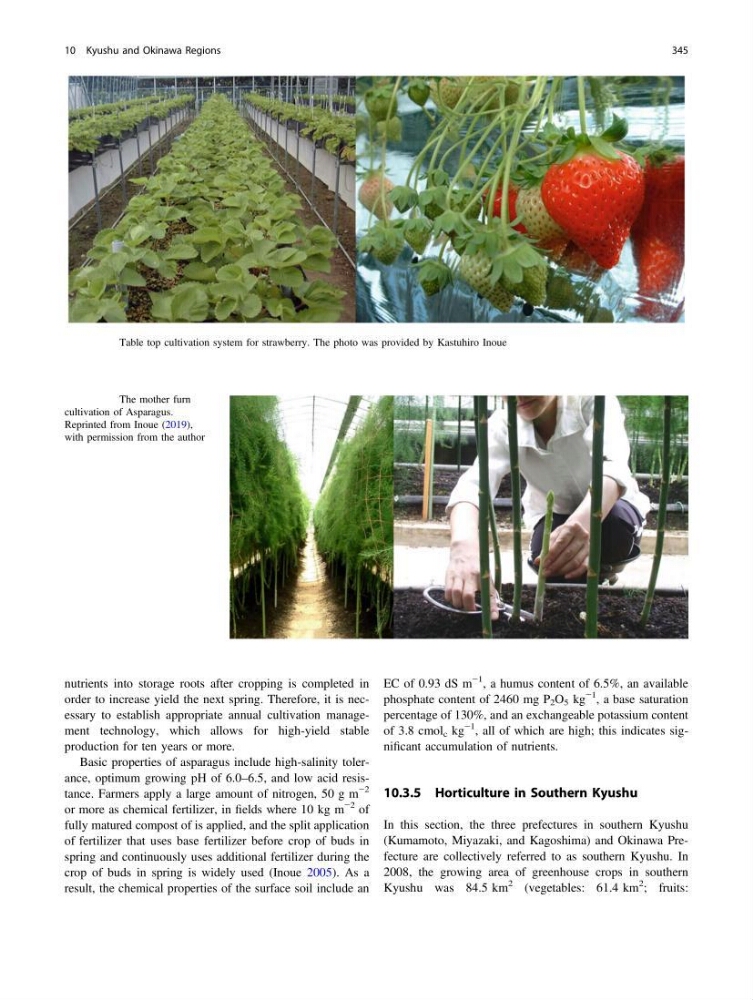
Fig. 10.10 Table top cultivation system for strawberry. The photo was provided by Kastuhiro Inoue
Fig. 10.11 The mother furn
cultivation of Asparagus.
Reprinted from Inoue (2019),
with permission from the author
10 Kyushu and Okinawa Regions
345
order to increase yield the next spring. Therefore, it is necessary to establish appropriate annual cultivation management technology, which allows for high-yield stable
production for ten years or more.
Basic properties of asparagus include high-salinity tolerance, optimum growing pH of 6.0–6.5, and low acid resistance. Farmers apply a large amount of nitrogen, 50 g m
−2
or more as chemical fertilizer, in fields where 10 kg m
−2 of
fully matured compost of is applied, and the split application
of fertilizer that uses base fertilizer before crop of buds in
spring and continuously uses additional fertilizer during the
crop of buds in spring is widely used (Inoue 2005). As a
result, the chemical properties of the surface soil include an
EC of 0.93 dS m
−1 , a humus content of 6.5%, an available
phosphate content of 2460 mg P 2 O 5 kg
−1 , a base saturation
percentage of 130%, and an exchangeable potassium content
of 3.8 cmol c kg
−1 , all of which are high; this indicates significant accumulation of nutrients.
10.3.5 Horticulture in Southern Kyushu
In this section, the three prefectures in southern Kyushu
(Kumamoto, Miyazaki, and Kagoshima) and Okinawa Prefecture are collectively referred to as southern Kyushu. In
2008, the growing area of greenhouse crops in southern
Kyushu was 84.5 km
2 (vegetables: 61.4 km
2 ; fruits:
Fig. 10.10 Table top cultivation system for strawberry. The photo was provided by Kastuhiro Inoue
Fig. 10.11 The mother furn
cultivation of Asparagus.
Reprinted from Inoue (2019),
with permission from the author
10 Kyushu and Okinawa Regions
345