

We have also constructed a variable fertilizer application
system that utilizes images of the surface soil taken by
unmanned aerial vehicle drone (UAV drone). In this subsection, the outline and effect of our system are described.
In Hokkaido, hot water extractable N is used for the
evaluation of N fertility, and a method for estimating the
appropriate N fertilizer application rate based on hot water
extractable N is established in upland crops such as sugar
beet, potato, and the like (Hokkaido Fertilizer Recommendations 2015; see Sect. 8.1).
We demonstrated that the variation of hot water extractable N within an upland field can be accurately determined
from visible images of the surface soil taken by UAV drone
and constructed a system for variable fertilizer application
based on the map of hot water extractable N.
The procedure of our system is as follows (Fig. 5.14).
(1) A technique for variable fertilizer application was
designed based on the hot water extractable N map, the
above described method of estimating appropriate N
fertilizer application rate, and the application history of
organic matter such as crop residues and compost with
reference to the method described by Fueki et al.
(2010). When blended fertilizers are used, variable
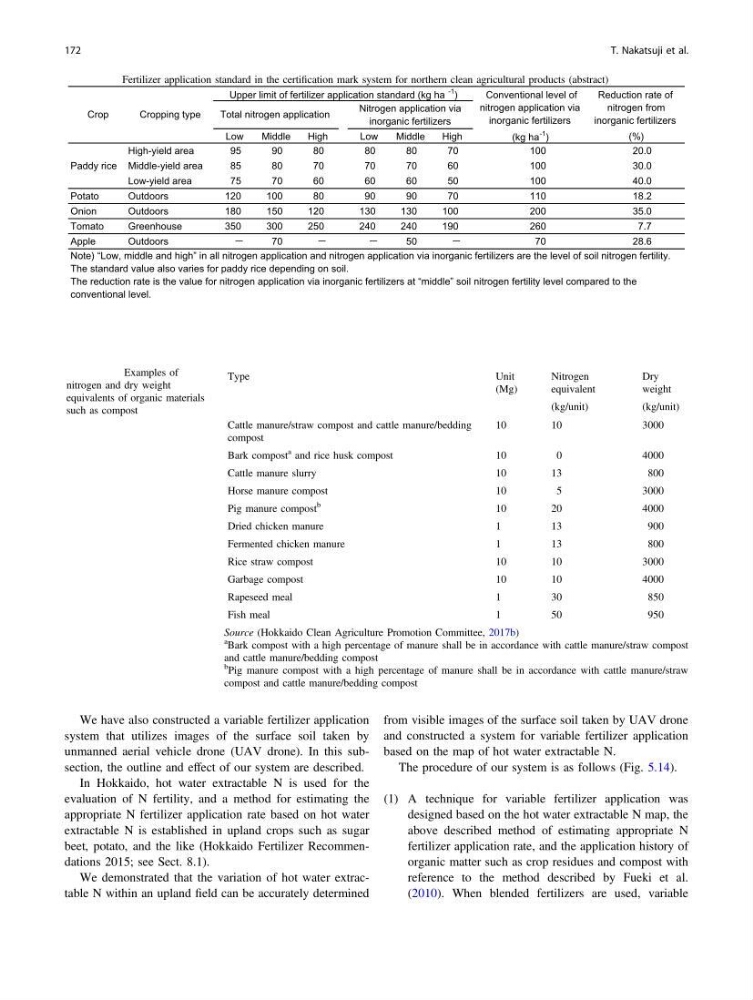
Table 5.19 Fertilizer application standard in the certification mark system for northern clean agricultural products (abstract)
Low
Middle
High
Low
Middle
High
(kg ha
-1 )
(%)
High-yield area
95
90
80
80
80
70
100
20.0
Middle-yield area
85
80
70
70
70
60
100
30.0
Low-yield area
75
70
60
60
60
50
100
40.0
Potato
Outdoors
120
100
80
90
90
70
110
18.2
Onion
Outdoors
180
150
120
130
130
100
200
35.0
Tomato
Greenhouse
350
300
250
240
240
190
260
7.7
Apple
Outdoors
70
50
70
28.6
Note) “Low, middle and high” in all nitrogen application and nitrogen application via inorganic fertilizers are the level of soil nitrogen fertility.
The standard value also varies for paddy rice depending on soil.
The reduction rate is the value for nitrogen application via inorganic fertilizers at “middle” soil nitrogen fertility level compared to the
conventional level.
Paddy rice
Crop
Cropping type
Upper limit of fertilizer application standard (kg ha
-1 )
Conventional level of
nitrogen application via
inorganic fertilizers
Reduction rate of
nitrogen from
inorganic fertilizers
Total nitrogen application
Nitrogen application via
inorganic fertilizers
Table 5.20 Examples of
nitrogen and dry weight
equivalents of organic materials
such as compost
Type
Unit
(Mg)
Nitrogen
equivalent
Dry
weight
(kg/unit)
(kg/unit)
Cattle manure/straw compost and cattle manure/bedding
compost
10
10
3000
Bark compost
a and rice husk compost
10
0
4000
Cattle manure slurry
10
13
800
Horse manure compost
10
5
3000
Pig manure compost
b
10
20
4000
Dried chicken manure
1
13
900
Fermented chicken manure
1
13
800
Rice straw compost
10
10
3000
Garbage compost
10
10
4000
Rapeseed meal
1
30
850
Fish meal
1
50
950
Source (Hokkaido Clean Agriculture Promotion Committee, 2017b)
a Bark compost with a high percentage of manure shall be in accordance with cattle manure/straw compost
and cattle manure/bedding compost
b
Pig manure compost with a high percentage of manure shall be in accordance with cattle manure/straw
compost and cattle manure/bedding compost
172
T. Nakatsuji et al.
system that utilizes images of the surface soil taken by
unmanned aerial vehicle drone (UAV drone). In this subsection, the outline and effect of our system are described.
In Hokkaido, hot water extractable N is used for the
evaluation of N fertility, and a method for estimating the
appropriate N fertilizer application rate based on hot water
extractable N is established in upland crops such as sugar
beet, potato, and the like (Hokkaido Fertilizer Recommendations 2015; see Sect. 8.1).
We demonstrated that the variation of hot water extractable N within an upland field can be accurately determined
from visible images of the surface soil taken by UAV drone
and constructed a system for variable fertilizer application
based on the map of hot water extractable N.
The procedure of our system is as follows (Fig. 5.14).
(1) A technique for variable fertilizer application was
designed based on the hot water extractable N map, the
above described method of estimating appropriate N
fertilizer application rate, and the application history of
organic matter such as crop residues and compost with
reference to the method described by Fueki et al.
(2010). When blended fertilizers are used, variable
Table 5.19 Fertilizer application standard in the certification mark system for northern clean agricultural products (abstract)
Low
Middle
High
Low
Middle
High
(kg ha
-1 )
(%)
High-yield area
95
90
80
80
80
70
100
20.0
Middle-yield area
85
80
70
70
70
60
100
30.0
Low-yield area
75
70
60
60
60
50
100
40.0
Potato
Outdoors
120
100
80
90
90
70
110
18.2
Onion
Outdoors
180
150
120
130
130
100
200
35.0
Tomato
Greenhouse
350
300
250
240
240
190
260
7.7
Apple
Outdoors
70
50
70
28.6
Note) “Low, middle and high” in all nitrogen application and nitrogen application via inorganic fertilizers are the level of soil nitrogen fertility.
The standard value also varies for paddy rice depending on soil.
The reduction rate is the value for nitrogen application via inorganic fertilizers at “middle” soil nitrogen fertility level compared to the
conventional level.
Paddy rice
Crop
Cropping type
Upper limit of fertilizer application standard (kg ha
-1 )
Conventional level of
nitrogen application via
inorganic fertilizers
Reduction rate of
nitrogen from
inorganic fertilizers
Total nitrogen application
Nitrogen application via
inorganic fertilizers
Table 5.20 Examples of
nitrogen and dry weight
equivalents of organic materials
such as compost
Type
Unit
(Mg)
Nitrogen
equivalent
Dry
weight
(kg/unit)
(kg/unit)
Cattle manure/straw compost and cattle manure/bedding
compost
10
10
3000
Bark compost
a and rice husk compost
10
0
4000
Cattle manure slurry
10
13
800
Horse manure compost
10
5
3000
Pig manure compost
b
10
20
4000
Dried chicken manure
1
13
900
Fermented chicken manure
1
13
800
Rice straw compost
10
10
3000
Garbage compost
10
10
4000
Rapeseed meal
1
30
850
Fish meal
1
50
950
Source (Hokkaido Clean Agriculture Promotion Committee, 2017b)
a Bark compost with a high percentage of manure shall be in accordance with cattle manure/straw compost
and cattle manure/bedding compost
b
Pig manure compost with a high percentage of manure shall be in accordance with cattle manure/straw
compost and cattle manure/bedding compost
172
T. Nakatsuji et al.