

215
• Emergency response procedures
• Organization of emergency places
• Roles as well as responsibilities
• Training and updating
More than 50,000 deaths occurred in Bangladesh from 1970 to 1991 due to two
cyclones. Subsequently, three-storied cyclone shelters were built by government
along the nation’s south-western coast besides setting up an early warning system.
On 15 Nov 2007, when Cyclone Sid ravaged India, and around three million people
took shelter in cyclone shelters resulting in 4200 deaths, which was meagre compared to many previous disasters (Maurice 2013).
The following guidelines need to be considered while preparing health sector
disaster plans (Pan American Health organization 2000):
1. Include exercises to test the plan once in a while
2. Include systems for early warning
3. List all possible events, as well as health requirements, due to different situations
4. Plan for the key features of administrative response, like the location, as well as
general responsibilities of important officials
5. Publicize the plan widely
6. Recognize probable health scenarios and use the knowledge as a base for creating a disaster plan
7. Subdivide plans into self-sufficient units
The following factors are considered while carrying vulnerability analysis, as
well as preparing mitigation plans for health care facilities (Pan American Health
organization 2000):
1. Structural elements, such as walls, columns and beams
2. Non-structural elements, such as non–load bearing walls, windows, partition,
lighting fixtures, power, water, communication systems, supplies, equipment,
medicines, and furnishings.
3. Functional elements, such as site, access routes.
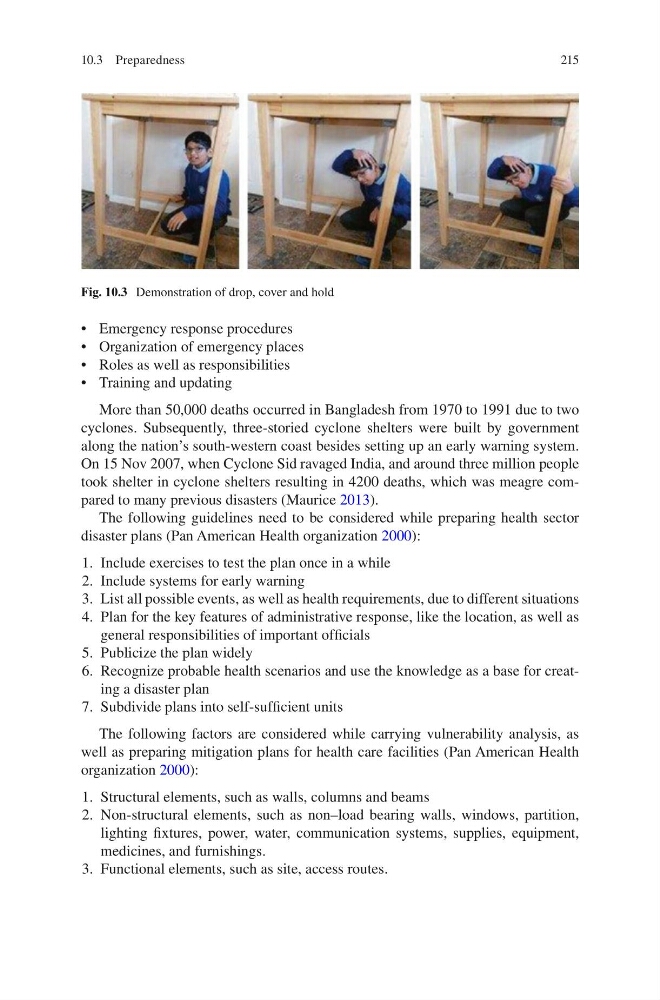
Fig. 10.3 Demonstration of drop, cover and hold
10.3 Preparedness
• Emergency response procedures
• Organization of emergency places
• Roles as well as responsibilities
• Training and updating
More than 50,000 deaths occurred in Bangladesh from 1970 to 1991 due to two
cyclones. Subsequently, three-storied cyclone shelters were built by government
along the nation’s south-western coast besides setting up an early warning system.
On 15 Nov 2007, when Cyclone Sid ravaged India, and around three million people
took shelter in cyclone shelters resulting in 4200 deaths, which was meagre compared to many previous disasters (Maurice 2013).
The following guidelines need to be considered while preparing health sector
disaster plans (Pan American Health organization 2000):
1. Include exercises to test the plan once in a while
2. Include systems for early warning
3. List all possible events, as well as health requirements, due to different situations
4. Plan for the key features of administrative response, like the location, as well as
general responsibilities of important officials
5. Publicize the plan widely
6. Recognize probable health scenarios and use the knowledge as a base for creating a disaster plan
7. Subdivide plans into self-sufficient units
The following factors are considered while carrying vulnerability analysis, as
well as preparing mitigation plans for health care facilities (Pan American Health
organization 2000):
1. Structural elements, such as walls, columns and beams
2. Non-structural elements, such as non–load bearing walls, windows, partition,
lighting fixtures, power, water, communication systems, supplies, equipment,
medicines, and furnishings.
3. Functional elements, such as site, access routes.
Fig. 10.3 Demonstration of drop, cover and hold
10.3 Preparedness