

169
Semi-solid waste includes slurries waste lube oil and used motor oil. The slurries
are treated to remove moisture and make it solid, which is then treated in par with
hazardous solid waste. Used oil can be recycled or refined. Recycled used oil is
filtered to remove insoluble impurities. Impurities removed do not include chemical
contaminants; however, they can be reused. Re-refined oil is recycled oil that goes
through the distillation stack to remove water molecules besides other contaminants.
Safe and cost-effective management of solid waste is a significant health
challenge.
The annual Construction and Demolition (C&D) waste (Fig. 8.25 and 8.26) generation in 40 countries globally was more than 3.0 billion tonnes until 2012 (Akhtar
and Sarmah 2018).
C&D wastes that comprises building materials, debris, as well as rubble resulting
from re-modelling, construction, demolition and repair of any civil structure are
generated mainly from following activities (CPCB 2017):
(i) Demolition of existing, old dilapidated structures.
(ii) Renovation of existing buildings.
(iii) Construction of new buildings.
(iv) Excavation/reconstruction of roads.
(v) Construction of new infrastructure like over bridges/under bridges/subways,
etc.
(vi) Renovation/installation of water/telephone/internet/sewer pipelines, etc.
Developing countries need to develop comprehensive system to utilize their huge
C&D waste (Akhtar and Sarmah 2018). As per a case study in Bengaluru, approximately 30% of the C&D waste are used at numerous sites for levelling low-lying
areas besides land reclamation. The remaining C&D waste is dumped illegally in or
around highways, roads, old lakes, waste lands and valleys (Venkatesh et al. 2016).
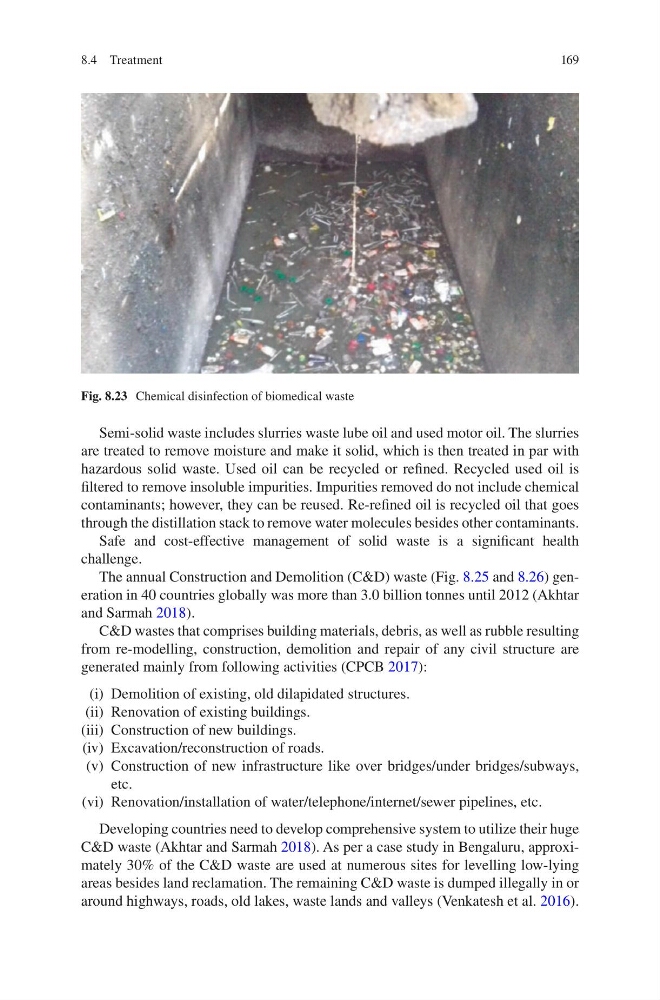
Fig. 8.23 Chemical disinfection of biomedical waste
8.4 Treatment
Semi-solid waste includes slurries waste lube oil and used motor oil. The slurries
are treated to remove moisture and make it solid, which is then treated in par with
hazardous solid waste. Used oil can be recycled or refined. Recycled used oil is
filtered to remove insoluble impurities. Impurities removed do not include chemical
contaminants; however, they can be reused. Re-refined oil is recycled oil that goes
through the distillation stack to remove water molecules besides other contaminants.
Safe and cost-effective management of solid waste is a significant health
challenge.
The annual Construction and Demolition (C&D) waste (Fig. 8.25 and 8.26) generation in 40 countries globally was more than 3.0 billion tonnes until 2012 (Akhtar
and Sarmah 2018).
C&D wastes that comprises building materials, debris, as well as rubble resulting
from re-modelling, construction, demolition and repair of any civil structure are
generated mainly from following activities (CPCB 2017):
(i) Demolition of existing, old dilapidated structures.
(ii) Renovation of existing buildings.
(iii) Construction of new buildings.
(iv) Excavation/reconstruction of roads.
(v) Construction of new infrastructure like over bridges/under bridges/subways,
etc.
(vi) Renovation/installation of water/telephone/internet/sewer pipelines, etc.
Developing countries need to develop comprehensive system to utilize their huge
C&D waste (Akhtar and Sarmah 2018). As per a case study in Bengaluru, approximately 30% of the C&D waste are used at numerous sites for levelling low-lying
areas besides land reclamation. The remaining C&D waste is dumped illegally in or
around highways, roads, old lakes, waste lands and valleys (Venkatesh et al. 2016).
Fig. 8.23 Chemical disinfection of biomedical waste
8.4 Treatment