

150
storage, transportation and use are detrimental to human health and
environment.
Similarly, many chemicals used in electronic goods, cosmetics, life-saving drugs,
toilet cleaners, paints, ammunition, crackers, etc., may also pose threat to human
health when used/discarded at wrong place or at wrong quantity.
Different regions and groups across the world will have different priorities. Even
though humans are different from other species in terms of behavior and take consideration of long-term implications like the education to next generation, some
activities (such as use of chemicals, disposal of waste, fighting wars) are shortsighted. Wars are made, chemicals are used and waste is thrown to resolve and fulfil
many immediate problems. Such action by some people at some point of time will
have social and international implications resulting in economic, environmental and
health burdens on people who are not responsible for the situation.
Example for policies avoiding goods under precautionary principle include phasing out of single-use plastic goods like carry bag, cling film, straws, plastic spoons,
plastic cups, paper cup, etc. Disposing these items costs more than the cost of the
items themselves, and it has been established what the ill effects of these items are
on the environment and health. Since these items will be soiled, recycling them is
neither feasible nor economical.
Examples for mitigating solid waste from product production include use of fly
ash and slag from steel manufacturing in cement. The highly efficient air pollution
equipment has been successful in recovering cement, which otherwise would have
entered into the environment.
Community or society, which cannot avoid and mitigate, has to bear the cost of
health which has to be borne individually or by government. Failing to mitigate and
avoiding environmentally detrimental goods and services will result in burden to
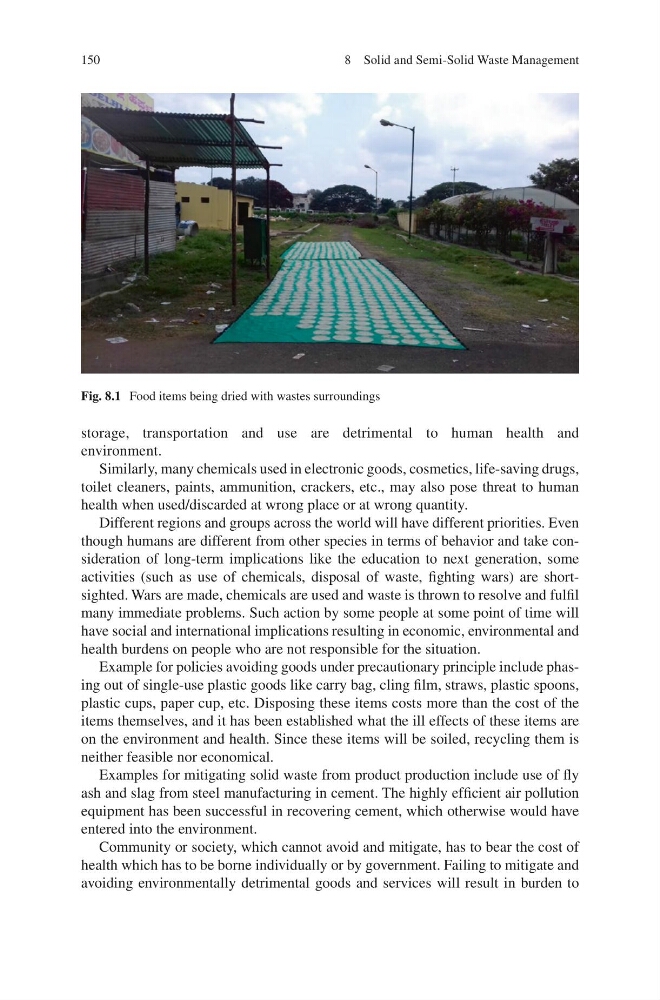
Fig. 8.1 Food items being dried with wastes surroundings
8 Solid and Semi-Solid Waste Management
storage, transportation and use are detrimental to human health and
environment.
Similarly, many chemicals used in electronic goods, cosmetics, life-saving drugs,
toilet cleaners, paints, ammunition, crackers, etc., may also pose threat to human
health when used/discarded at wrong place or at wrong quantity.
Different regions and groups across the world will have different priorities. Even
though humans are different from other species in terms of behavior and take consideration of long-term implications like the education to next generation, some
activities (such as use of chemicals, disposal of waste, fighting wars) are shortsighted. Wars are made, chemicals are used and waste is thrown to resolve and fulfil
many immediate problems. Such action by some people at some point of time will
have social and international implications resulting in economic, environmental and
health burdens on people who are not responsible for the situation.
Example for policies avoiding goods under precautionary principle include phasing out of single-use plastic goods like carry bag, cling film, straws, plastic spoons,
plastic cups, paper cup, etc. Disposing these items costs more than the cost of the
items themselves, and it has been established what the ill effects of these items are
on the environment and health. Since these items will be soiled, recycling them is
neither feasible nor economical.
Examples for mitigating solid waste from product production include use of fly
ash and slag from steel manufacturing in cement. The highly efficient air pollution
equipment has been successful in recovering cement, which otherwise would have
entered into the environment.
Community or society, which cannot avoid and mitigate, has to bear the cost of
health which has to be borne individually or by government. Failing to mitigate and
avoiding environmentally detrimental goods and services will result in burden to
Fig. 8.1 Food items being dried with wastes surroundings
8 Solid and Semi-Solid Waste Management