

The costs and benefits considered include among other financial production,
social interactions, and environmental impacts, translated into effects on ecosystem
services and social effects evaluated over time and space. This framework allows
decisions that are consistent with the concepts of environmental sustainability,
economic efficiency, and social equity. The main goal of this work has been the
contribution to an interdisciplinary and participatory framework of analysis of
technical, environmental, economic, social aspects of Blue Growth, which can
provide policy recommendations for improved implementation of the Initiative,
allied with the relevant Sustainable Development Goals (SDGs) and the Marine
Strategy Framework Directive (MSFD) and Marine Spatial Planning (MSP).
Drawing on the resent research, the working team on this model extension has
identified and quantified the socio-economic and environmental costs and benefits
associated to aquaculture in a way compatible to the techno-economic and costdriven production models available. The work undertaken allows for the development of an integrated production model for aquaculture that takes into consideration
and incorporates the complex feedbacks between ecological and economic aspects
of aquaculture production. In this way (i) it can be met the integrated management of
aquaculture production that takes into consideration both the private costs and
benefits but also the social costs and benefits associated with externalities and effects
not appropriately captured by market-driven functions and factors, and (ii) it can be
provided quantified insights to the social costs and benefits that producers internalize
or can internalize, which can complement policies targeting aquaculture management and financing (e.g., subsidies, environmental taxes, etc.).
6.4 What-If Analysis in Aquaculture Production Models
In aquaculture, the accurate estimation of the fish growth is a cornerstone of an
efficient and profitable production. Without information on expected growth, it
would be impossible to assess feed requirements for specific period and additionally
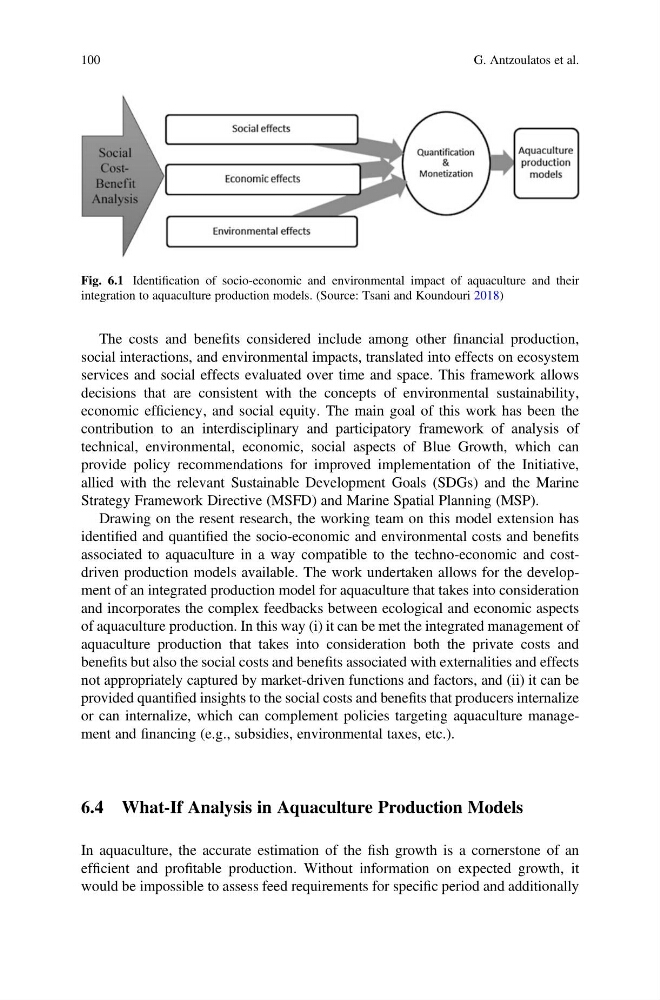
Fig. 6.1 Identification of socio-economic and environmental impact of aquaculture and their
integration to aquaculture production models. (Source: Tsani and Koundouri 2018)
100
G. Antzoulatos et al.
social interactions, and environmental impacts, translated into effects on ecosystem
services and social effects evaluated over time and space. This framework allows
decisions that are consistent with the concepts of environmental sustainability,
economic efficiency, and social equity. The main goal of this work has been the
contribution to an interdisciplinary and participatory framework of analysis of
technical, environmental, economic, social aspects of Blue Growth, which can
provide policy recommendations for improved implementation of the Initiative,
allied with the relevant Sustainable Development Goals (SDGs) and the Marine
Strategy Framework Directive (MSFD) and Marine Spatial Planning (MSP).
Drawing on the resent research, the working team on this model extension has
identified and quantified the socio-economic and environmental costs and benefits
associated to aquaculture in a way compatible to the techno-economic and costdriven production models available. The work undertaken allows for the development of an integrated production model for aquaculture that takes into consideration
and incorporates the complex feedbacks between ecological and economic aspects
of aquaculture production. In this way (i) it can be met the integrated management of
aquaculture production that takes into consideration both the private costs and
benefits but also the social costs and benefits associated with externalities and effects
not appropriately captured by market-driven functions and factors, and (ii) it can be
provided quantified insights to the social costs and benefits that producers internalize
or can internalize, which can complement policies targeting aquaculture management and financing (e.g., subsidies, environmental taxes, etc.).
6.4 What-If Analysis in Aquaculture Production Models
In aquaculture, the accurate estimation of the fish growth is a cornerstone of an
efficient and profitable production. Without information on expected growth, it
would be impossible to assess feed requirements for specific period and additionally
Fig. 6.1 Identification of socio-economic and environmental impact of aquaculture and their
integration to aquaculture production models. (Source: Tsani and Koundouri 2018)
100
G. Antzoulatos et al.