

13 CoNCLUSIoN: CoMPARING HoUSEHoLD ENERGY …
145
is considered as a ‘renewable’ resource in one context may not be in
another (e.g. hydraulic). In the Netherlands and the United Kingdom,
households heat space in a large majority with natural gas (87% for
the Netherlands and 76% for the United Kingdom). This is also the
case, but with a lesser extent, for Hungary (49%) and Germany (44%).
Renewable energies are the dominant fuel for space heating in Slovenia
(63%) and Bulgaria (58%), with Hungary using 40% renewables
(note that wood is currently classified as a renewable form of energy).
Petroleum products for space heating are used in a very contrasted manner depending on the countries, ranging from almost half of the fuels
for Switzerland (46%) and Ireland (46%), to being almost zero in
Bulgaria, the Netherlands and Hungary. Derived heat is used mostly
in Denmark (38%) and Finland (35%), but very scarcely in other countries, from 13% (Switzerland) to 0% (United Kingdom). Finally, solid
fuels and electrical energy are the least used, the former being used most
significantly by Ireland (23%) and the latter by Finland (25%).
In recent years, the development of ‘smart systems’ and ‘smart
cities’ has increased to become a global phenomenon. Smart technologies have been progressively integrated in government agendas and
considered as a priority area for research. Moreover, smart meters are
starting to be installed in homes all over the world towards the goal of
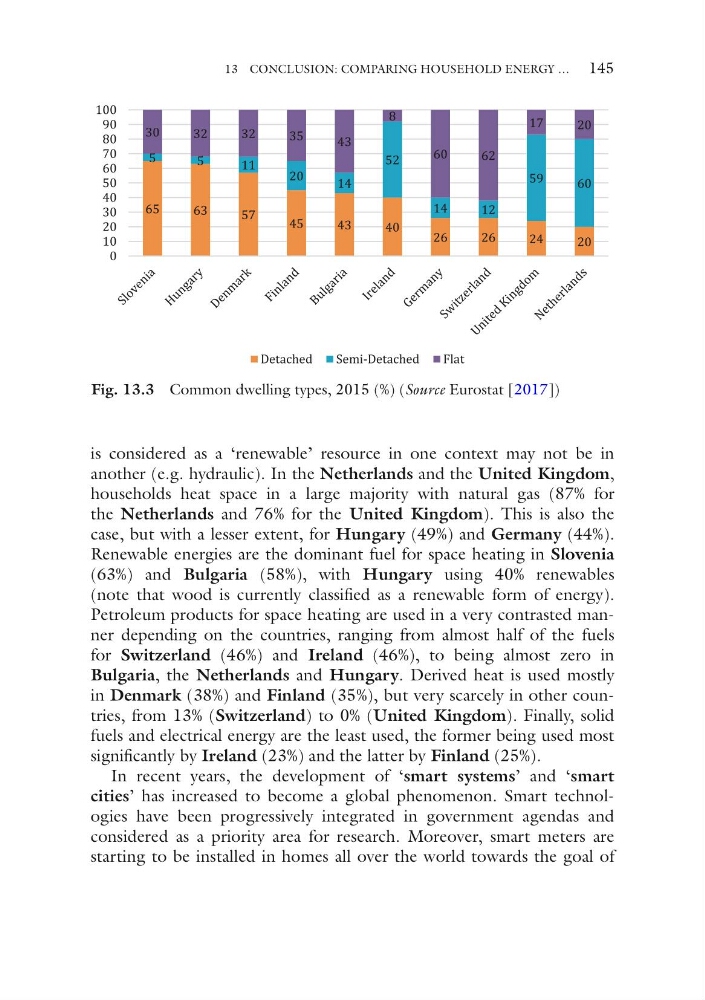
Fig. 13.3 Common dwelling types, 2015 (%) (Source Eurostat [2017])
145
is considered as a ‘renewable’ resource in one context may not be in
another (e.g. hydraulic). In the Netherlands and the United Kingdom,
households heat space in a large majority with natural gas (87% for
the Netherlands and 76% for the United Kingdom). This is also the
case, but with a lesser extent, for Hungary (49%) and Germany (44%).
Renewable energies are the dominant fuel for space heating in Slovenia
(63%) and Bulgaria (58%), with Hungary using 40% renewables
(note that wood is currently classified as a renewable form of energy).
Petroleum products for space heating are used in a very contrasted manner depending on the countries, ranging from almost half of the fuels
for Switzerland (46%) and Ireland (46%), to being almost zero in
Bulgaria, the Netherlands and Hungary. Derived heat is used mostly
in Denmark (38%) and Finland (35%), but very scarcely in other countries, from 13% (Switzerland) to 0% (United Kingdom). Finally, solid
fuels and electrical energy are the least used, the former being used most
significantly by Ireland (23%) and the latter by Finland (25%).
In recent years, the development of ‘smart systems’ and ‘smart
cities’ has increased to become a global phenomenon. Smart technologies have been progressively integrated in government agendas and
considered as a priority area for research. Moreover, smart meters are
starting to be installed in homes all over the world towards the goal of
Fig. 13.3 Common dwelling types, 2015 (%) (Source Eurostat [2017])