

132 E. HEISKANEN ET AL.
approaches, i.e. testing technologies in real-life contexts by engaging citizens in experimentation towards more sustainable lifestyles (Laakso et al.
2017). Moreover, there is a tendency towards integrating energy projects
in broader sustainability, liveability and innovation contexts. Many of the
newer SECIs still focus on technology, but with the engagement of users,
their everyday practices and sometimes even addressing the complex
interactions between technologies, hence they are categorized as ‘changes
in complex interactions’ and ‘changes in everyday life situations’.
Case stuDy: smart kaLasatama
Energy saving is becoming part of a broader tendency in urban planning to promote sustainable lifestyles. The emerging activism by cities in energy and climate is reflected in the Smart Kalasatama case. In
order to boost new sustainable urban solutions, the Helsinki City
Council decided in 2013 to make one of the new construction sites, the
Kalasatama harbor area, a model district of smart city development. By
2030 the area will house about 25,000 residents and offer jobs for 8000
people. The process was initiated by a consortium including the local
energy company Helen and other large companies to develop new ‘smart
grid’ business. Later, the City of Helsinki placed Forum Virum Helsinki,
an innovation intermediary, in charge of the project and Kalasatama
was turned into ‘smart city’ area with more diverse aims (Matschoss
and Heiskanen 2017, 2018). The aim is also to create a city district
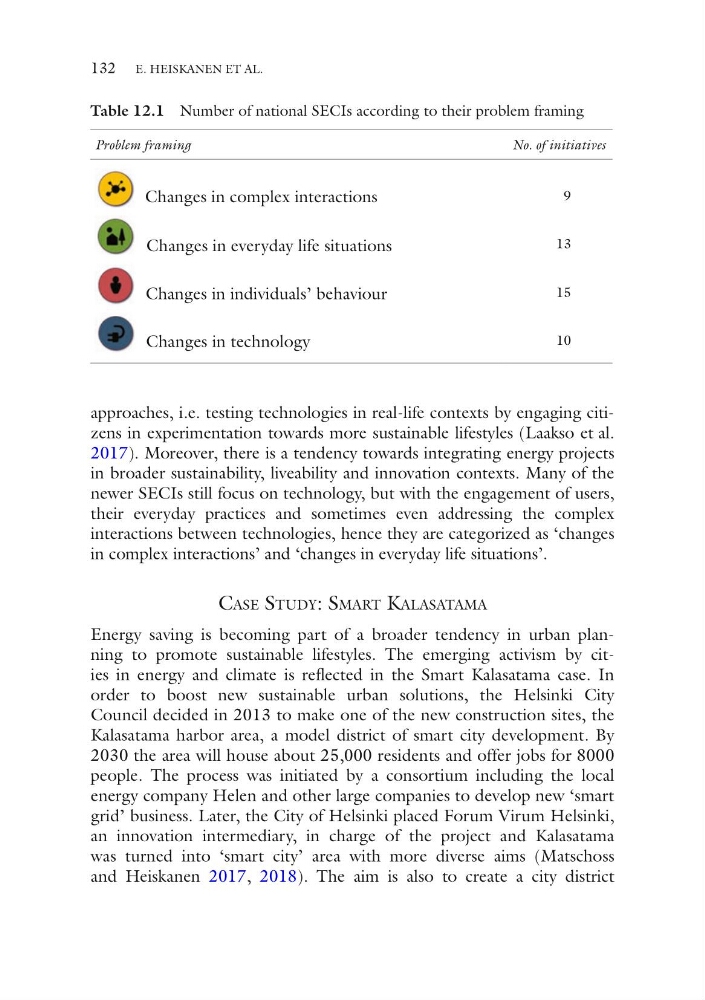
Table 12.1 Number of national SECIs according to their problem framing
Problem framing
No. of initiatives
Changes in complex interactions
9
Changes in everyday life situations
13
Changes in individuals’ behaviour
15
Changes in technology
10
approaches, i.e. testing technologies in real-life contexts by engaging citizens in experimentation towards more sustainable lifestyles (Laakso et al.
2017). Moreover, there is a tendency towards integrating energy projects
in broader sustainability, liveability and innovation contexts. Many of the
newer SECIs still focus on technology, but with the engagement of users,
their everyday practices and sometimes even addressing the complex
interactions between technologies, hence they are categorized as ‘changes
in complex interactions’ and ‘changes in everyday life situations’.
Case stuDy: smart kaLasatama
Energy saving is becoming part of a broader tendency in urban planning to promote sustainable lifestyles. The emerging activism by cities in energy and climate is reflected in the Smart Kalasatama case. In
order to boost new sustainable urban solutions, the Helsinki City
Council decided in 2013 to make one of the new construction sites, the
Kalasatama harbor area, a model district of smart city development. By
2030 the area will house about 25,000 residents and offer jobs for 8000
people. The process was initiated by a consortium including the local
energy company Helen and other large companies to develop new ‘smart
grid’ business. Later, the City of Helsinki placed Forum Virum Helsinki,
an innovation intermediary, in charge of the project and Kalasatama
was turned into ‘smart city’ area with more diverse aims (Matschoss
and Heiskanen 2017, 2018). The aim is also to create a city district
Table 12.1 Number of national SECIs according to their problem framing
Problem framing
No. of initiatives
Changes in complex interactions
9
Changes in everyday life situations
13
Changes in individuals’ behaviour
15
Changes in technology
10