

Supply disruptions in metals and minerals
markets have traditionally had less visible
impacts on consumers than those in fossil fuel
and food markets, for instance. As a result, they
have received less attention from policymakers,
and the regulation and data associated with these
markets are generally considered national competencies. Compared to energy commodities,
there is relatively little in the way of international
governance and cooperation for metals and
minerals markets. The market distortions of
recent years—from anticompetitive practices
such as export cartels to the imposition of unilateral export restrictions—have exposed many
gaps in metals and minerals governance.
Box 19: WTO limitations in resolving
disputes over metals and minerals and
energy resources
While the WTO provides the main global
institutional framework for coordinating
and governing international trade, the trade
in natural resources falls largely outside its
remit. Separate chapters were included in
the WTO texts to address issues related to
agriculture and textiles, but not natural
resources. Some regional agreements have
tried to bridge this gap for energy, notably
the Energy Charter Treaty and the North
American Free Trade Agreement’s energy
chapter. Several reasons for the special
treatment of natural resources in trade
agreements have been cited:
1. the geographical distribution of natural
resources is highly uneven and production is largely immovable;
2. the
sovereign
control
of
resource-endowed countries over their
natural resources and their right to
exploit them for economic and social
development is recognised in international law;
3. trade in natural resources is often perceived as a key national security issue;
4. the extraction and consumption of
resources produce severe negative
externalities compared with most other
traded products; and
5. a large proportion of resource trade
takes place under long-term contracts,
often through dedicated infrastructure
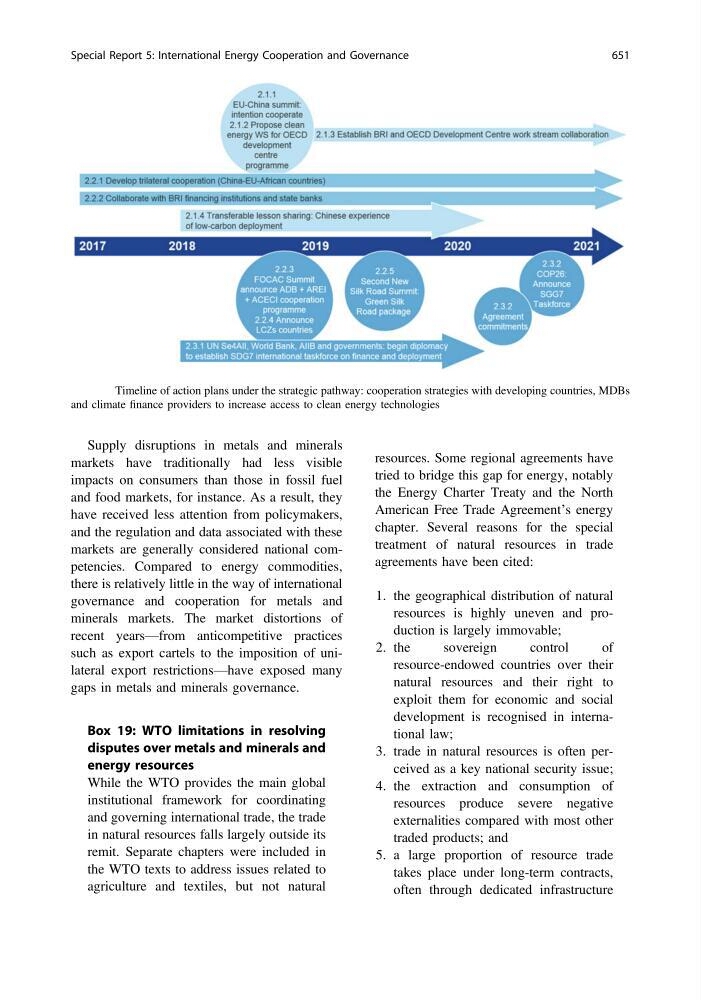
Fig. 44 Timeline of action plans under the strategic pathway: cooperation strategies with developing countries, MDBs
and climate finance providers to increase access to clean energy technologies
Special Report 5: International Energy Cooperation and Governance
651