

• RPI-X mechanism. Ofgem and its predecessors, the electricity market regulator in the UK, used the RPI-X
mechanism until 2013. Under this
mechanism, Ofgem carried out cost
forecasts to determine the base revenue
required by the TSO to recover its
costs. Based on this base revenue
Ofgem set a price cap and adjusted it
each year for retail price inflation
(RPI) and an assumed target rate of
productivity growth calculated by statistical benchmark analysis. Ofgem
reset the price cap at the end of the
five-year price control period to ensure
that the TSO’s cost savings are passed
on to end consumers. Under the RPI-X
mechanism, the TSO had incentives to
reduce its costs because it was able to
retain the margin between the price cap
and its own actual costs as profit, as
shown in Fig. 67. However, the RPI-X
mechanism did not adequately incentivise service quality or innovation. It
allowed cost savings to be achieved
through decline in quality of service,
and the five-year price control periods
did not provide sufficient incentives to
develop new technologies (such as
smart meters) with longer investment
cycles and the potential to provide cost
savings over the longer term.
• RIIO mechanism. In 2013, Ofgem
introduced the revenue = incentives +
innovation + outputs (RIIO) mechanism to address the concerns with the
RPI-X mechanism. The RIIO mechanism takes the elements of the RPI-X
mechanism that work well, such as the
determination of the base revenue, and
adds extensive innovation and output
targets to them. The RIIO mechanism
determines the base revenue from
output-led business plans with greater
use of option analysis and scenario
planning. In their business plans, companies compare the costs and benefits
of options for delivering long-term
outputs under various scenarios and
assess the value of keeping these
options open. Moreover, financial and
reputational incentives strengthen the
incentive structure. Ofgem rewards or
penalises companies when they achieve
or miss their output targets respectively.
Reputational incentives do not have a
financial element, but they affect
Ofgem’s evaluation of base revenue in
the next review periods. A longer control period, of eight years, encourages
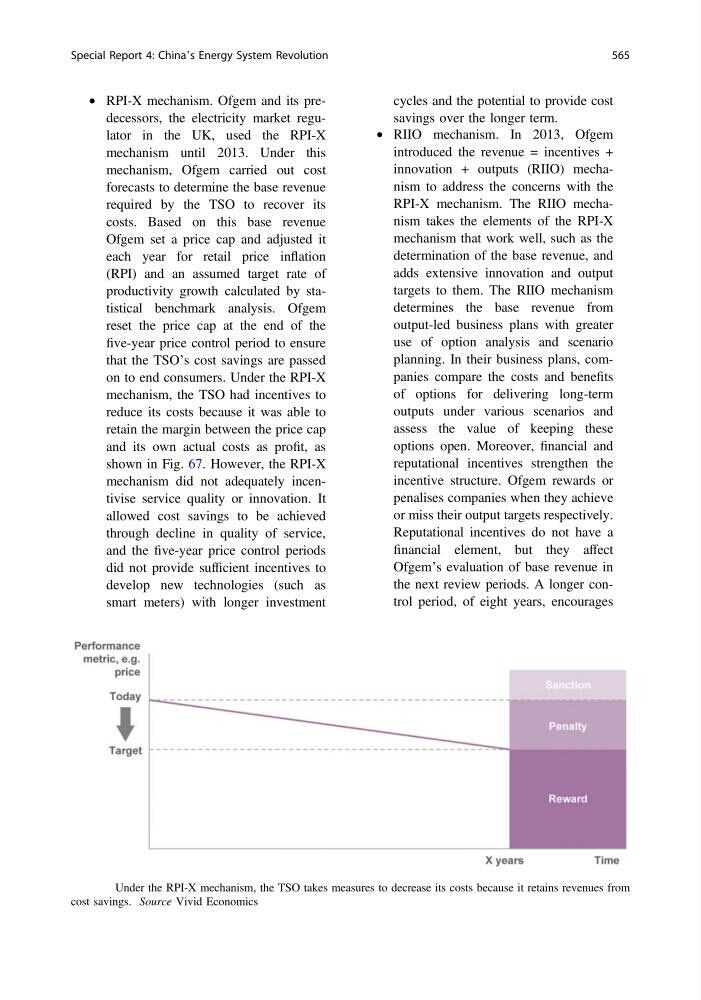
Fig. 67 Under the RPI-X mechanism, the TSO takes measures to decrease its costs because it retains revenues from
cost savings. Source Vivid Economics
Special Report 4: China’s Energy System Revolution
565
mechanism until 2013. Under this
mechanism, Ofgem carried out cost
forecasts to determine the base revenue
required by the TSO to recover its
costs. Based on this base revenue
Ofgem set a price cap and adjusted it
each year for retail price inflation
(RPI) and an assumed target rate of
productivity growth calculated by statistical benchmark analysis. Ofgem
reset the price cap at the end of the
five-year price control period to ensure
that the TSO’s cost savings are passed
on to end consumers. Under the RPI-X
mechanism, the TSO had incentives to
reduce its costs because it was able to
retain the margin between the price cap
and its own actual costs as profit, as
shown in Fig. 67. However, the RPI-X
mechanism did not adequately incentivise service quality or innovation. It
allowed cost savings to be achieved
through decline in quality of service,
and the five-year price control periods
did not provide sufficient incentives to
develop new technologies (such as
smart meters) with longer investment
cycles and the potential to provide cost
savings over the longer term.
• RIIO mechanism. In 2013, Ofgem
introduced the revenue = incentives +
innovation + outputs (RIIO) mechanism to address the concerns with the
RPI-X mechanism. The RIIO mechanism takes the elements of the RPI-X
mechanism that work well, such as the
determination of the base revenue, and
adds extensive innovation and output
targets to them. The RIIO mechanism
determines the base revenue from
output-led business plans with greater
use of option analysis and scenario
planning. In their business plans, companies compare the costs and benefits
of options for delivering long-term
outputs under various scenarios and
assess the value of keeping these
options open. Moreover, financial and
reputational incentives strengthen the
incentive structure. Ofgem rewards or
penalises companies when they achieve
or miss their output targets respectively.
Reputational incentives do not have a
financial element, but they affect
Ofgem’s evaluation of base revenue in
the next review periods. A longer control period, of eight years, encourages
Fig. 67 Under the RPI-X mechanism, the TSO takes measures to decrease its costs because it retains revenues from
cost savings. Source Vivid Economics
Special Report 4: China’s Energy System Revolution
565