

• The optimal way to incentivise low-carbon
generation or encourage energy efficiency is
through a robust and credible carbon price,
preferably through market-based approaches
such as a carbon tax or emissions trading. In
its absence, there is likely to be a proliferation
of a patchwork of more expensive and less
effective policies, such as renewable energy
subsidies and mandated performance
standards.
• The natural monopoly of power transmission
and distribution networks is most efficiently
dealt with through independent ownership by
a single company whose performance is regulated by an independent regulator. While
this is a well-developed area of regulatory
economics and policy, it will need to evolve
to accommodate consumers that both demand
and supply electricity; create flexible infrastructure with natural monopoly characteristics, such as large-scale storage and
interconnectors; provide the returns needed
for investment in grid extension and
expansion to integrate renewables; and grant
incentives for innovation in smarter grids.
• Maintaining a stable, predictable and credible
policy framework across the range of energy
and environmental policies that affect power
markets is essential in order to minimise the
cost of capital and incentivise the necessary
long-term investments in the sector. Minimising policy risk is even more critical on the
path to a net zero emissions world, given the
long-term, large-scale and capital-intensive
nature of the required investments. For
example, the recent cycle of iterative power
sector reform and learning has unsettled
investors, even as the technology has matured
to the point of mass deployment. A balance
should be struck between the need for policymakers to respond to new circumstances
and the need for stable revenues over long
asset lifetimes, for example by making policies predictable, with changes announced well
in advance and conditional on specified
changes in circumstance.
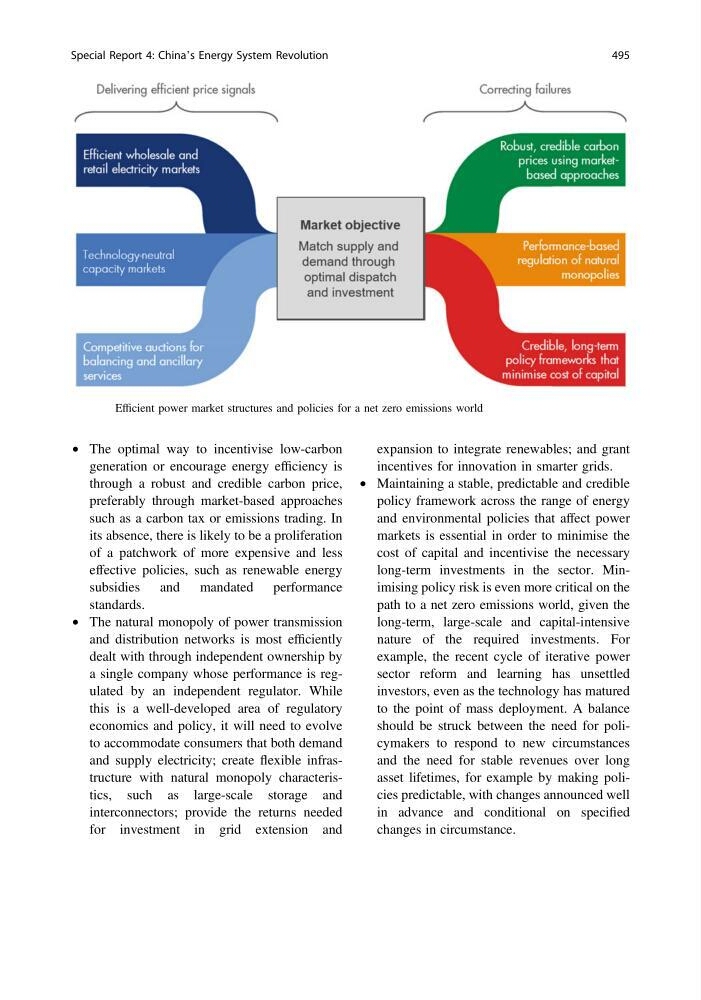
Fig. 20 Efficient power market structures and policies for a net zero emissions world
Special Report 4: China’s Energy System Revolution
495
generation or encourage energy efficiency is
through a robust and credible carbon price,
preferably through market-based approaches
such as a carbon tax or emissions trading. In
its absence, there is likely to be a proliferation
of a patchwork of more expensive and less
effective policies, such as renewable energy
subsidies and mandated performance
standards.
• The natural monopoly of power transmission
and distribution networks is most efficiently
dealt with through independent ownership by
a single company whose performance is regulated by an independent regulator. While
this is a well-developed area of regulatory
economics and policy, it will need to evolve
to accommodate consumers that both demand
and supply electricity; create flexible infrastructure with natural monopoly characteristics, such as large-scale storage and
interconnectors; provide the returns needed
for investment in grid extension and
expansion to integrate renewables; and grant
incentives for innovation in smarter grids.
• Maintaining a stable, predictable and credible
policy framework across the range of energy
and environmental policies that affect power
markets is essential in order to minimise the
cost of capital and incentivise the necessary
long-term investments in the sector. Minimising policy risk is even more critical on the
path to a net zero emissions world, given the
long-term, large-scale and capital-intensive
nature of the required investments. For
example, the recent cycle of iterative power
sector reform and learning has unsettled
investors, even as the technology has matured
to the point of mass deployment. A balance
should be struck between the need for policymakers to respond to new circumstances
and the need for stable revenues over long
asset lifetimes, for example by making policies predictable, with changes announced well
in advance and conditional on specified
changes in circumstance.
Fig. 20 Efficient power market structures and policies for a net zero emissions world
Special Report 4: China’s Energy System Revolution
495