

have made the public aware of the effects of
energy consumption on the environment. As a
result, the public generally supports energy system reform to control haze and alleviate energy
constraints. People are willing to choose cleaner
energy consumption and share the cost of environmental protection. As past international
experience shows, the public’s recognition of
clean development can force the government and
business to focus on clean development—the
Montreal Protocol on substances that deplete the
ozone layer is a case in point (Fig. 13).
The green energy era began at the start of the
21st century. The principal trend in the global
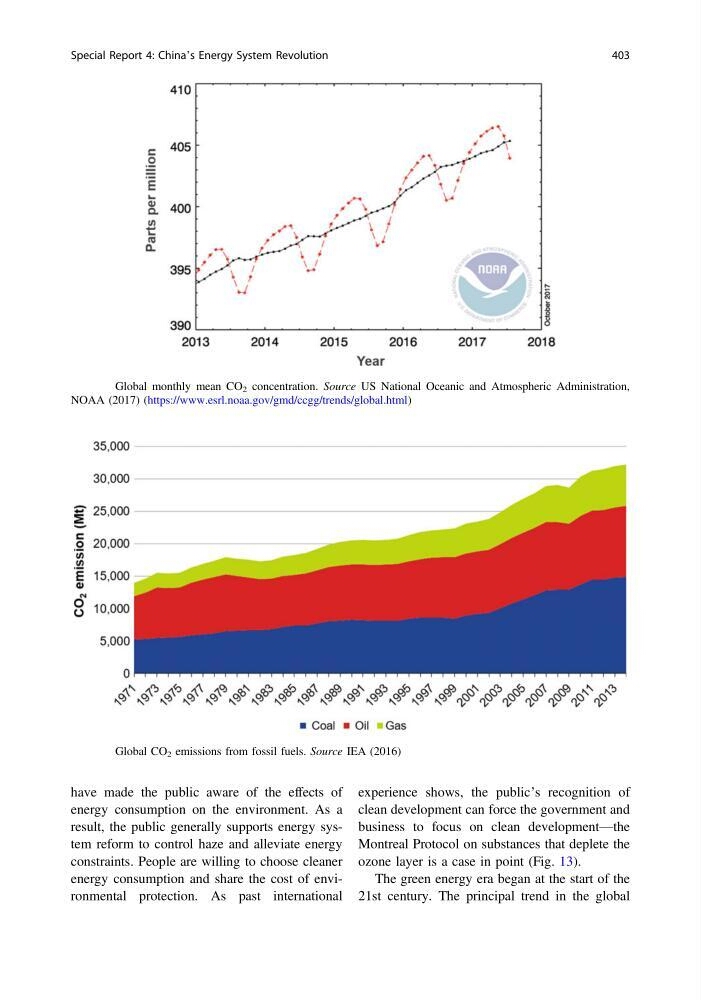
Fig. 10 Global monthly mean CO 2 concentration. Source US National Oceanic and Atmospheric Administration,
NOAA (2017) (https://www.esrl.noaa.gov/gmd/ccgg/trends/global.html)
Fig. 11 Global CO 2 emissions from fossil fuels. Source IEA (2016)
Special Report 4: China’s Energy System Revolution
403
energy consumption on the environment. As a
result, the public generally supports energy system reform to control haze and alleviate energy
constraints. People are willing to choose cleaner
energy consumption and share the cost of environmental protection. As past international
experience shows, the public’s recognition of
clean development can force the government and
business to focus on clean development—the
Montreal Protocol on substances that deplete the
ozone layer is a case in point (Fig. 13).
The green energy era began at the start of the
21st century. The principal trend in the global
Fig. 10 Global monthly mean CO 2 concentration. Source US National Oceanic and Atmospheric Administration,
NOAA (2017) (https://www.esrl.noaa.gov/gmd/ccgg/trends/global.html)
Fig. 11 Global CO 2 emissions from fossil fuels. Source IEA (2016)
Special Report 4: China’s Energy System Revolution
403