

pollutants into the air, including carbon dioxide
(CO 2 ), sulphur dioxide (SO 2 ), nitrogen oxides
(NO x ) and soot. Global SO 2 emissions are about
90 million tonnes per year (IEA 2017). They
acidify soil and rivers and erode buildings and
historical sites. Around 30% of China’s soil
surface contains sulphur deposits above the critical level. NO x emissions from fossil energy use
impact land, rivers, marine ecosystems and the
ozone layer. NO x emissions from urban traffic
and thermal power plants are the main source of
PM2.5 atmospheric particulate matter. Increasing
amounts of particulate matter from thermal
power plants, transport and other industrial sectors cause widespread and severe haze, threatening human health. In addition, fossil energy
extraction and use consume water resources and
cause severe pollution.
According to the International Energy Agency’s World Energy Outlook 2017, 20% of the
world’s population live in areas with water
shortage. Global water consumption in energy
production was 600 billion tonnes, about 15% of
total global water consumption. Its impacts
include wastewater discharge from coal
production and marine and groundwater pollution from oil and gas exploitation. Large-scale
development of conventional energy resources
can damage vegetation and landforms. Renewables and other types of new energy also impact
the environment, such as visual pollution from
wind turbines and the disposal of nuclear waste.
Most CO 2 emissions from human activities
are from burning fossil fuels. As energy consumption grows, CO 2 emissions also increase.
According to the Fifth Assessment Report (AR5)
of the Intergovernmental Panel on Climate
Change (IPCC), the concentration of CO 2 in the
atmosphere reached 392 parts per million
(ppm) in 2012, and the global average temperature rise over the last century was 0.74°C. The
report suggests that global climate warming has
become an indisputable fact, which can be evidenced by the rise in atmospheric and sea temperature, large areas of melting snow and ice, and
rising sea levels. According to the data monitored
by the US National Oceanic and Atmospheric
Administration (Fig. 10), global average CO 2
concentration exceeded 400 ppm in July 2017,
which is about 40% higher than 100 years ago.
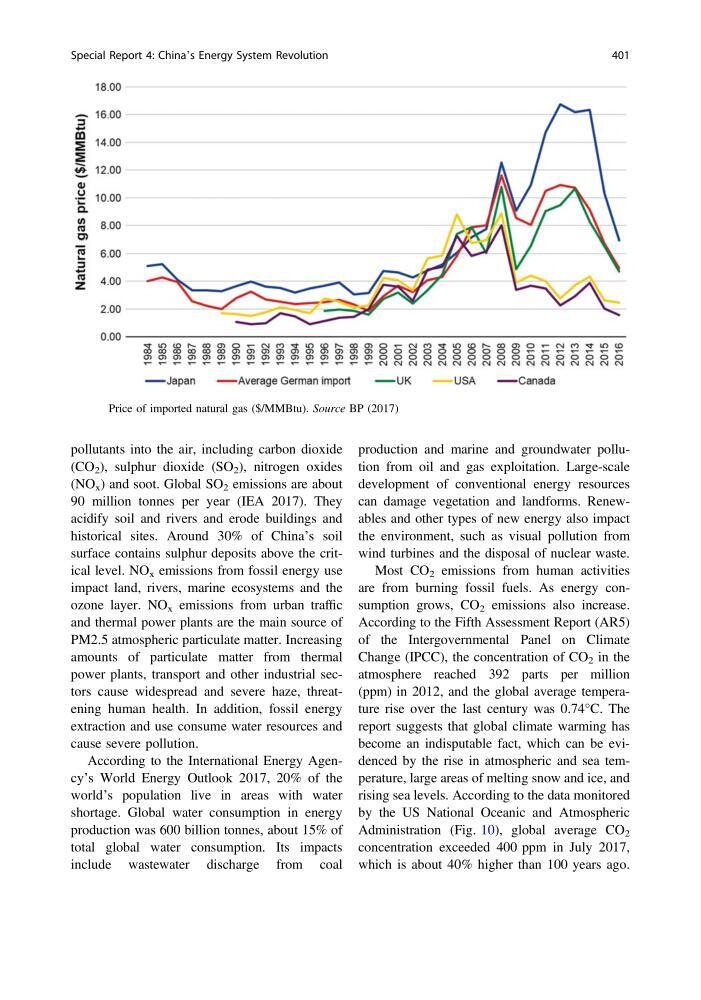
Fig. 9 Price of imported natural gas ($/MMBtu). Source BP (2017)
Special Report 4: China’s Energy System Revolution
401
(CO 2 ), sulphur dioxide (SO 2 ), nitrogen oxides
(NO x ) and soot. Global SO 2 emissions are about
90 million tonnes per year (IEA 2017). They
acidify soil and rivers and erode buildings and
historical sites. Around 30% of China’s soil
surface contains sulphur deposits above the critical level. NO x emissions from fossil energy use
impact land, rivers, marine ecosystems and the
ozone layer. NO x emissions from urban traffic
and thermal power plants are the main source of
PM2.5 atmospheric particulate matter. Increasing
amounts of particulate matter from thermal
power plants, transport and other industrial sectors cause widespread and severe haze, threatening human health. In addition, fossil energy
extraction and use consume water resources and
cause severe pollution.
According to the International Energy Agency’s World Energy Outlook 2017, 20% of the
world’s population live in areas with water
shortage. Global water consumption in energy
production was 600 billion tonnes, about 15% of
total global water consumption. Its impacts
include wastewater discharge from coal
production and marine and groundwater pollution from oil and gas exploitation. Large-scale
development of conventional energy resources
can damage vegetation and landforms. Renewables and other types of new energy also impact
the environment, such as visual pollution from
wind turbines and the disposal of nuclear waste.
Most CO 2 emissions from human activities
are from burning fossil fuels. As energy consumption grows, CO 2 emissions also increase.
According to the Fifth Assessment Report (AR5)
of the Intergovernmental Panel on Climate
Change (IPCC), the concentration of CO 2 in the
atmosphere reached 392 parts per million
(ppm) in 2012, and the global average temperature rise over the last century was 0.74°C. The
report suggests that global climate warming has
become an indisputable fact, which can be evidenced by the rise in atmospheric and sea temperature, large areas of melting snow and ice, and
rising sea levels. According to the data monitored
by the US National Oceanic and Atmospheric
Administration (Fig. 10), global average CO 2
concentration exceeded 400 ppm in July 2017,
which is about 40% higher than 100 years ago.
Fig. 9 Price of imported natural gas ($/MMBtu). Source BP (2017)
Special Report 4: China’s Energy System Revolution
401