

improvement in energy efficiency will be at least
32.5%, and greenhouse gas emissions will be at
least 40% lower than in 1990. The Energy
Innovation Strategies unveiled by the Ministry of
Economy, Trade and Industry of Japan aim to
increase the share of renewable energy to 22–
24% by 2030 and reduce greenhouse gas emissions by 26% (compared with 2013). Thanks to
continuous innovation, China expects to make
breakthroughs in wind, solar, biomass, geothermal and marine energy technologies in terms of
efficiency, costs and flexibility. Distributed
energy systems, comprising multiple types of
energy—wind, solar, energy storage and small
gas turbines—will be widely deployed and efficiently integrated. This will help China achieve
its goal of increasing the share of non-fossil
energy in primary energy consumption to around
20% by 2030.
Third, large-scale grid connection of intermittent energy makes customer requirements
increasingly demanding and grid operation more
complex. To improve grid visibility and control,
IT and automation technologies will be widely
applied, making grid operation and control more
intelligent. IEEE holds the view that
46 full integration of grid and information and communications technologies (ICT) will improve grid
monitoring speed by about 1,000 times.
ICT-related equipment will become a major
component of modern grid investment. Global
grid modernisation needs around $6.9 trillion
invested by 2030, of which about $1.7 trillion
(one-fourth of the total) will be invested in
ICT-related equipment. By 2030, China’s smart
grid will achieve deep integration of information
and power flows and become a highly integrated
information and physical network. Power system
coordination and control of energy source, grid
and load will become more intelligent and efficient, and operation safer and more stable.
Low-cost and secure quantum communications
technologies will become an R&D priority to
ensure information security in the smart grid.
Fourth, two-way interaction between supply
and demand will improve. Deep integration
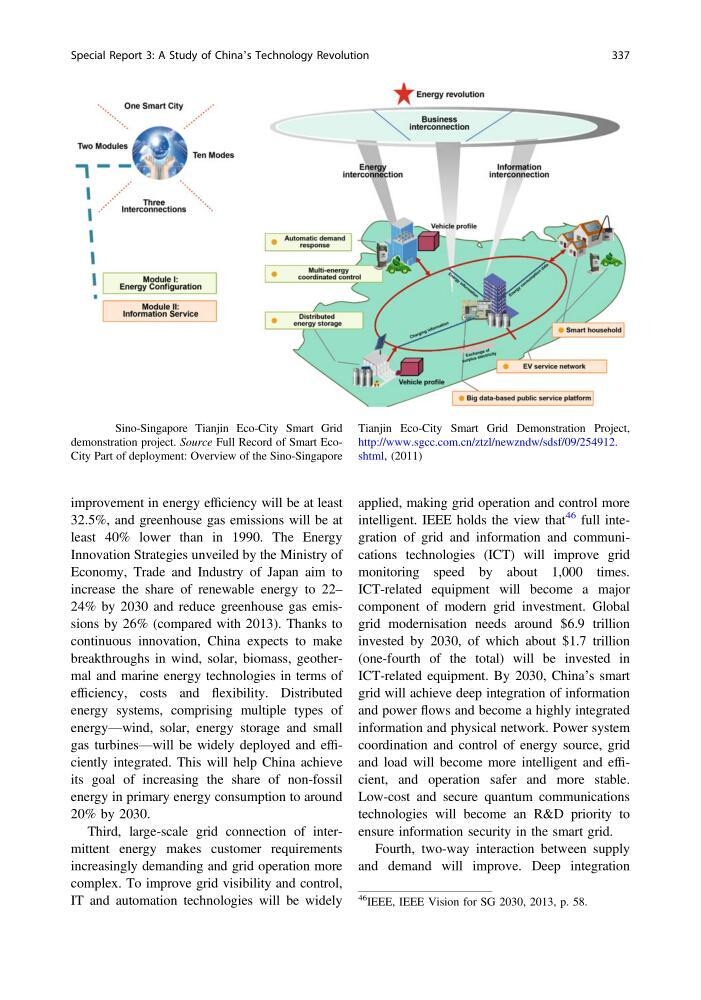
Fig. 41 Sino-Singapore Tianjin Eco-City Smart Grid
demonstration project. Source Full Record of Smart EcoCity Part of deployment: Overview of the Sino-Singapore
Tianjin Eco-City Smart Grid Demonstration Project,
http://www.sgcc.com.cn/ztzl/newzndw/sdsf/09/254912.
shtml, (2011)
46
IEEE, IEEE Vision for SG 2030, 2013, p. 58.
Special Report 3: A Study of China’s Technology Revolution
337
32.5%, and greenhouse gas emissions will be at
least 40% lower than in 1990. The Energy
Innovation Strategies unveiled by the Ministry of
Economy, Trade and Industry of Japan aim to
increase the share of renewable energy to 22–
24% by 2030 and reduce greenhouse gas emissions by 26% (compared with 2013). Thanks to
continuous innovation, China expects to make
breakthroughs in wind, solar, biomass, geothermal and marine energy technologies in terms of
efficiency, costs and flexibility. Distributed
energy systems, comprising multiple types of
energy—wind, solar, energy storage and small
gas turbines—will be widely deployed and efficiently integrated. This will help China achieve
its goal of increasing the share of non-fossil
energy in primary energy consumption to around
20% by 2030.
Third, large-scale grid connection of intermittent energy makes customer requirements
increasingly demanding and grid operation more
complex. To improve grid visibility and control,
IT and automation technologies will be widely
applied, making grid operation and control more
intelligent. IEEE holds the view that
46 full integration of grid and information and communications technologies (ICT) will improve grid
monitoring speed by about 1,000 times.
ICT-related equipment will become a major
component of modern grid investment. Global
grid modernisation needs around $6.9 trillion
invested by 2030, of which about $1.7 trillion
(one-fourth of the total) will be invested in
ICT-related equipment. By 2030, China’s smart
grid will achieve deep integration of information
and power flows and become a highly integrated
information and physical network. Power system
coordination and control of energy source, grid
and load will become more intelligent and efficient, and operation safer and more stable.
Low-cost and secure quantum communications
technologies will become an R&D priority to
ensure information security in the smart grid.
Fourth, two-way interaction between supply
and demand will improve. Deep integration
Fig. 41 Sino-Singapore Tianjin Eco-City Smart Grid
demonstration project. Source Full Record of Smart EcoCity Part of deployment: Overview of the Sino-Singapore
Tianjin Eco-City Smart Grid Demonstration Project,
http://www.sgcc.com.cn/ztzl/newzndw/sdsf/09/254912.
shtml, (2011)
46
IEEE, IEEE Vision for SG 2030, 2013, p. 58.
Special Report 3: A Study of China’s Technology Revolution
337