

emissions by more than 840 million tonnes by
2030, and renewable energy and EV charging
can reduce CO 2 emissions by more than 3 million tonnes. As exploration deepens, technology
innovation will expand the scope and forms of
the smart grid.
First, the smart grid will continue to grow at
high speed. Global power demand in 2030 will
be double that of 2000.
42 To meet increasing
demand, more investment will be needed in
smart grids. According to the International
Energy Agency,
43 China will invest at least $96
billion in the smart grid by 2020, and the world
will invest $2 trillion by 2030.
44
Second, the share of new energy in the energy
mix will be higher. Climate change is a global
concern. Most countries base their energy
strategies on greenhouse gas emission targets,
using those targets to calculate the share of new
energy needed. The Institute of Electrical and
Electronics Engineers (IEEE) predicts that by
2030, wind and solar will account for more than
a third of global power supply.
45 The EU has set
the following targets for 2030: the share of
renewable energy will be at least 32%, the
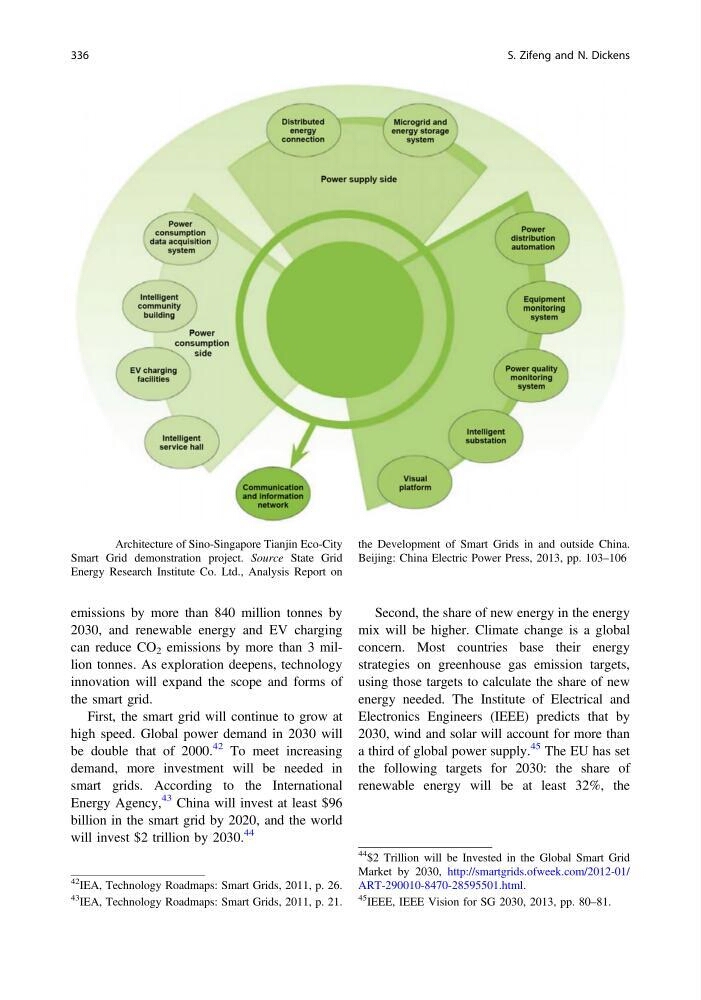
Fig. 40 Architecture of Sino-Singapore Tianjin Eco-City
Smart Grid demonstration project. Source State Grid
Energy Research Institute Co. Ltd., Analysis Report on
the Development of Smart Grids in and outside China.
Beijing: China Electric Power Press, 2013, pp. 103–106
42
IEA, Technology Roadmaps: Smart Grids, 2011, p. 26.
43
IEA, Technology Roadmaps: Smart Grids, 2011, p. 21.
44
$2 Trillion will be Invested in the Global Smart Grid
Market by 2030, http://smartgrids.ofweek.com/2012-01/
ART-290010-8470-28595501.html.
45
IEEE, IEEE Vision for SG 2030, 2013, pp. 80–81.
336
S. Zifeng and N. Dickens
2030, and renewable energy and EV charging
can reduce CO 2 emissions by more than 3 million tonnes. As exploration deepens, technology
innovation will expand the scope and forms of
the smart grid.
First, the smart grid will continue to grow at
high speed. Global power demand in 2030 will
be double that of 2000.
42 To meet increasing
demand, more investment will be needed in
smart grids. According to the International
Energy Agency,
43 China will invest at least $96
billion in the smart grid by 2020, and the world
will invest $2 trillion by 2030.
44
Second, the share of new energy in the energy
mix will be higher. Climate change is a global
concern. Most countries base their energy
strategies on greenhouse gas emission targets,
using those targets to calculate the share of new
energy needed. The Institute of Electrical and
Electronics Engineers (IEEE) predicts that by
2030, wind and solar will account for more than
a third of global power supply.
45 The EU has set
the following targets for 2030: the share of
renewable energy will be at least 32%, the
Fig. 40 Architecture of Sino-Singapore Tianjin Eco-City
Smart Grid demonstration project. Source State Grid
Energy Research Institute Co. Ltd., Analysis Report on
the Development of Smart Grids in and outside China.
Beijing: China Electric Power Press, 2013, pp. 103–106
42
IEA, Technology Roadmaps: Smart Grids, 2011, p. 26.
43
IEA, Technology Roadmaps: Smart Grids, 2011, p. 21.
44
$2 Trillion will be Invested in the Global Smart Grid
Market by 2030, http://smartgrids.ofweek.com/2012-01/
ART-290010-8470-28595501.html.
45
IEEE, IEEE Vision for SG 2030, 2013, pp. 80–81.
336
S. Zifeng and N. Dickens