

projects where success is highly uncertain, benefits will be widespread, adoption rates will be
slow and the payback period long. Energy generation technologies generally fit into this category and can be an obvious area for government
intervention to have a beneficial impact.
Government can grant private innovators
exclusive access to revenue streams as an alternative to direct government financing. Private
investment in innovation can be motivated if
there is sufficient profit to be made. For example,
patents grant a time-limited monopoly for an
innovation, which has been used very effectively
in pharmaceutical development. In sectors with
regulated prices, such as electricity networks,
price formulas can be adjusted to incentivise
innovation. In highly competitive sectors, government can support innovation by offering to
buy a new product at a higher than normal price
if the new product meets innovative specifications. The use of public procurement to reward
innovation has been effective in, for example,
energy efficiency (Table 8).
The government should also intervene when
ecosystems of investors are too limited to support
good innovations through all stages. Governments can intervene and prevent a good innovation from entering the Valley of Death.
However, innovations can also fail to be funded
along the pathway because the innovation is
simply not good. There is an asymmetric information issue facing governments, who should be
pragmatic and not overestimate their ability to
discern which innovations are valuable and
which are not. However, trade-offs exist for
government between picking winners and
allowing market forces to determine innovation.
The efficiency of ethanol fuel production in
Brazil increased sharply once subsidies were
reduced, demonstrating the benefits of market
forces and the potential consequences of picking
winners. It was never intended to be a cheaper
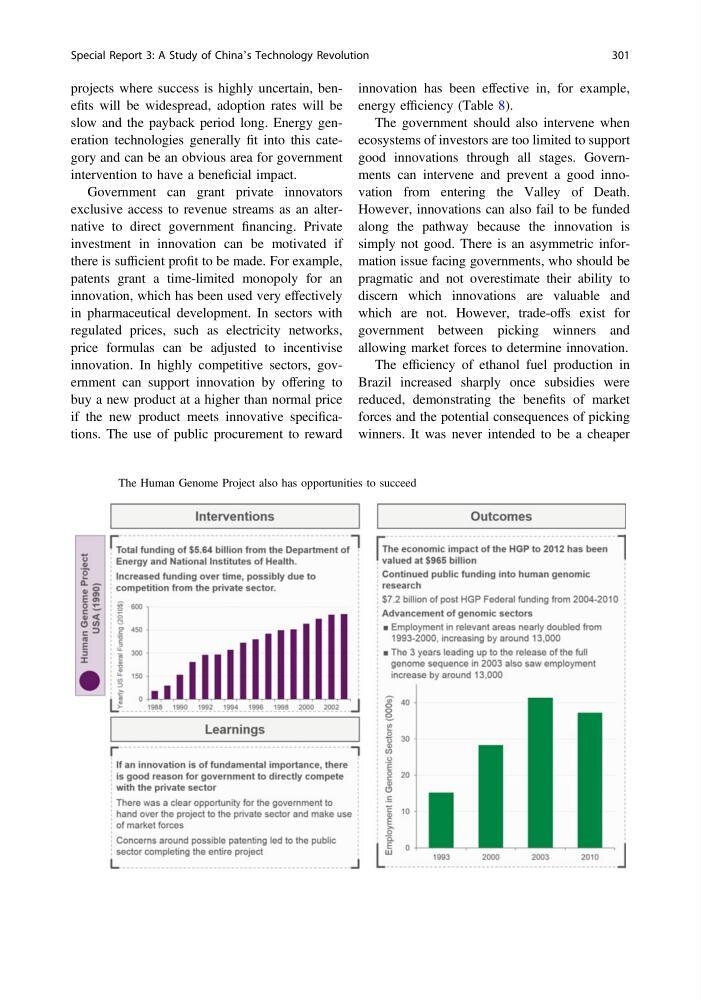
Table 8 The Human Genome Project also has opportunities to succeed
Special Report 3: A Study of China’s Technology Revolution
301
slow and the payback period long. Energy generation technologies generally fit into this category and can be an obvious area for government
intervention to have a beneficial impact.
Government can grant private innovators
exclusive access to revenue streams as an alternative to direct government financing. Private
investment in innovation can be motivated if
there is sufficient profit to be made. For example,
patents grant a time-limited monopoly for an
innovation, which has been used very effectively
in pharmaceutical development. In sectors with
regulated prices, such as electricity networks,
price formulas can be adjusted to incentivise
innovation. In highly competitive sectors, government can support innovation by offering to
buy a new product at a higher than normal price
if the new product meets innovative specifications. The use of public procurement to reward
innovation has been effective in, for example,
energy efficiency (Table 8).
The government should also intervene when
ecosystems of investors are too limited to support
good innovations through all stages. Governments can intervene and prevent a good innovation from entering the Valley of Death.
However, innovations can also fail to be funded
along the pathway because the innovation is
simply not good. There is an asymmetric information issue facing governments, who should be
pragmatic and not overestimate their ability to
discern which innovations are valuable and
which are not. However, trade-offs exist for
government between picking winners and
allowing market forces to determine innovation.
The efficiency of ethanol fuel production in
Brazil increased sharply once subsidies were
reduced, demonstrating the benefits of market
forces and the potential consequences of picking
winners. It was never intended to be a cheaper
Table 8 The Human Genome Project also has opportunities to succeed
Special Report 3: A Study of China’s Technology Revolution
301