

longer than that of urban residents. Hence, if
social development is accompanied by accelerated urbanisation, then even if the economy
grows, the total demand of transport services may
fall. This shows that by influencing endogenous
factors, policymakers can guide service demand
and ultimately steer the development of energy
demand. However, other exogenous factors, such
as geography, climate or culture, can also influence service demand, but these cannot be controlled by policymakers. It is therefore important
to identify the exogenous and endogenous factors
of energy service demand, for they allow policymakers to better predict and guide how energy
demand develops with economic growth.
Energy conversion efficiency
Energy conversion efficiency is mainly determined by technology, and technology development is influenced by the price of energy and
new equipment, regulatory standards, consumer
behaviour and underlying trends in technology
improvement. By breaking down energy intensity into energy services and conversion efficiency, the analysis can focus on the pure
demand-side impacts of service demand before
considering subsequent dynamic effects between
technological progress and changing demand.
Meanwhile, there are fuel-specific characteristics,
which are irrelevant to service intensity and
conversion efficiency but are needed by consumers. Although all fuels are energy carriers,
they can be differentiated by the two dimensions
of quality—cleanliness and flexibility.
Economic growth enables our society to prioritise energy cleanliness and flexibility, thus
shaping the trend to high-quality energy carriers.
In some cases (transport for example), this may
result in improved conversion efficiency. If this
trend in primary energy is not given sufficient
attention, energy demand may be distorted,
causing imbalance in the energy system.
If a study fails to consider the evolution from
quantity to quality in energy service and carriers,
forecasting errors may occur, which may lead to
misleading policies. The Annual Energy Outlook
published by the U.S. Energy Information
Administration, gives a good example of such
forecasting errors. The predictions in 1990
overestimated not only the future energy consumption level, but also the use of coal, a
high-pollution fuel. Identification of the changing
relationship between income and energy, and the
preference of consumers for high-quality energy
carriers, can help reduce these errors and
improve decision-making (Fig. 2).
International experience suggests that China’s
future energy demand may change by between
+25% and −33% against the level of international experience as a result of the energy service
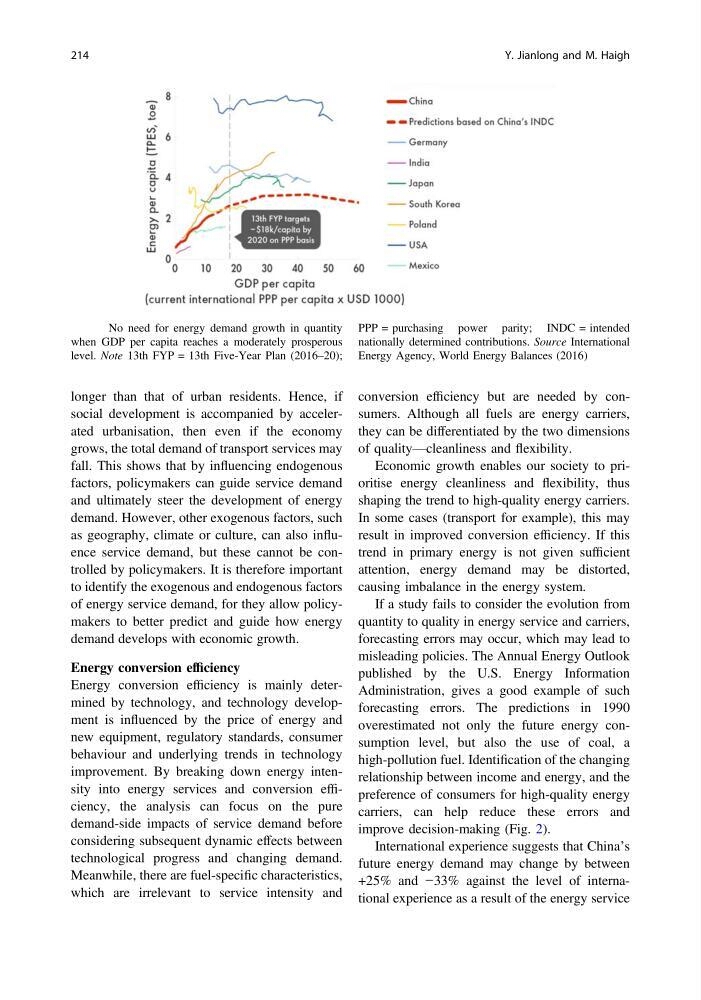
Fig. 1 No need for energy demand growth in quantity
when GDP per capita reaches a moderately prosperous
level. Note 13th FYP = 13th Five-Year Plan (2016–20);
PPP = purchasing power parity; INDC = intended
nationally determined contributions. Source International
Energy Agency, World Energy Balances (2016)
214
Y. Jianlong and M. Haigh
social development is accompanied by accelerated urbanisation, then even if the economy
grows, the total demand of transport services may
fall. This shows that by influencing endogenous
factors, policymakers can guide service demand
and ultimately steer the development of energy
demand. However, other exogenous factors, such
as geography, climate or culture, can also influence service demand, but these cannot be controlled by policymakers. It is therefore important
to identify the exogenous and endogenous factors
of energy service demand, for they allow policymakers to better predict and guide how energy
demand develops with economic growth.
Energy conversion efficiency
Energy conversion efficiency is mainly determined by technology, and technology development is influenced by the price of energy and
new equipment, regulatory standards, consumer
behaviour and underlying trends in technology
improvement. By breaking down energy intensity into energy services and conversion efficiency, the analysis can focus on the pure
demand-side impacts of service demand before
considering subsequent dynamic effects between
technological progress and changing demand.
Meanwhile, there are fuel-specific characteristics,
which are irrelevant to service intensity and
conversion efficiency but are needed by consumers. Although all fuels are energy carriers,
they can be differentiated by the two dimensions
of quality—cleanliness and flexibility.
Economic growth enables our society to prioritise energy cleanliness and flexibility, thus
shaping the trend to high-quality energy carriers.
In some cases (transport for example), this may
result in improved conversion efficiency. If this
trend in primary energy is not given sufficient
attention, energy demand may be distorted,
causing imbalance in the energy system.
If a study fails to consider the evolution from
quantity to quality in energy service and carriers,
forecasting errors may occur, which may lead to
misleading policies. The Annual Energy Outlook
published by the U.S. Energy Information
Administration, gives a good example of such
forecasting errors. The predictions in 1990
overestimated not only the future energy consumption level, but also the use of coal, a
high-pollution fuel. Identification of the changing
relationship between income and energy, and the
preference of consumers for high-quality energy
carriers, can help reduce these errors and
improve decision-making (Fig. 2).
International experience suggests that China’s
future energy demand may change by between
+25% and −33% against the level of international experience as a result of the energy service
Fig. 1 No need for energy demand growth in quantity
when GDP per capita reaches a moderately prosperous
level. Note 13th FYP = 13th Five-Year Plan (2016–20);
PPP = purchasing power parity; INDC = intended
nationally determined contributions. Source International
Energy Agency, World Energy Balances (2016)
214
Y. Jianlong and M. Haigh