

reskilled through targeted training programmes to avoid job losses associated with
the transition away from fossil fuel extraction.
3. Consumers
(1) Summary
Consumers will participate in the energy transition if it is subsidised, as was the case in Norway.
They will even pay for the transition if they are
convinced of the environmental benefits, as
happened in Denmark. However, each alternative
suffers from design problems.
Both the Danish energy taxation system that
finances the wind transition and the Norwegian EV subsidies failed to align carbon cost,
which is likely to have increased the total cost of
the Scandinavian transitions. Norwegian EV
subsidies have been an expensive way to reduce
carbon; cheaper reductions could likely have
been made in other sectors of the economy or by
investing in R&D to bring down EV costs.
Likewise, Danish taxes were unequally distributed across energy carriers and sectors. As a
result, industry has had insufficient incentives to
reduce energy consumption and emissions. This
is unfortunate because similar decarbonisation
levels could have been achieved at lower cost if
policies had been technology-neutral and all
sectors and carriers had been treated equally.
Both the Danish and Norwegian energy transitions have had unforeseen distributional effects.
Norwegian EV subsidies have favoured city
dwellers who gained greater benefit from in-kind
subsidies, such as free parking and the use of bus
lanes during periods of traffic congestion, than
rural citizens. This is good from an environmental efficiency perspective as air pollution is
more problematic in cities. However, the system
favours richer citizens as they tend to live in
cities and the policy might therefore widen
inequality. Likewise, the burdens of Danish
energy taxation have been unequal, with residential consumers and small and medium-sized
enterprises paying for the transition. This has
protected heavy industries but has put significant
pressure on household energy bills, which hit
poorer households disproportionally hard.
(2) Norway
Generous tax exemptions and in-kind subsidies
for electric vehicles have triggered a surge of
demand for EV vehicles in Norway. Since the
early 1990s, various initiatives in the form of
purchase tax exemptions, use-tax exemptions and
in-kind subsidies have been gradually introduced. Electric cars in Norway are exempt from
import duties, one-time purchase tax as well as
25% VAT on sale. Additionally, EV users benefit
from low annual road tax, free toll, free
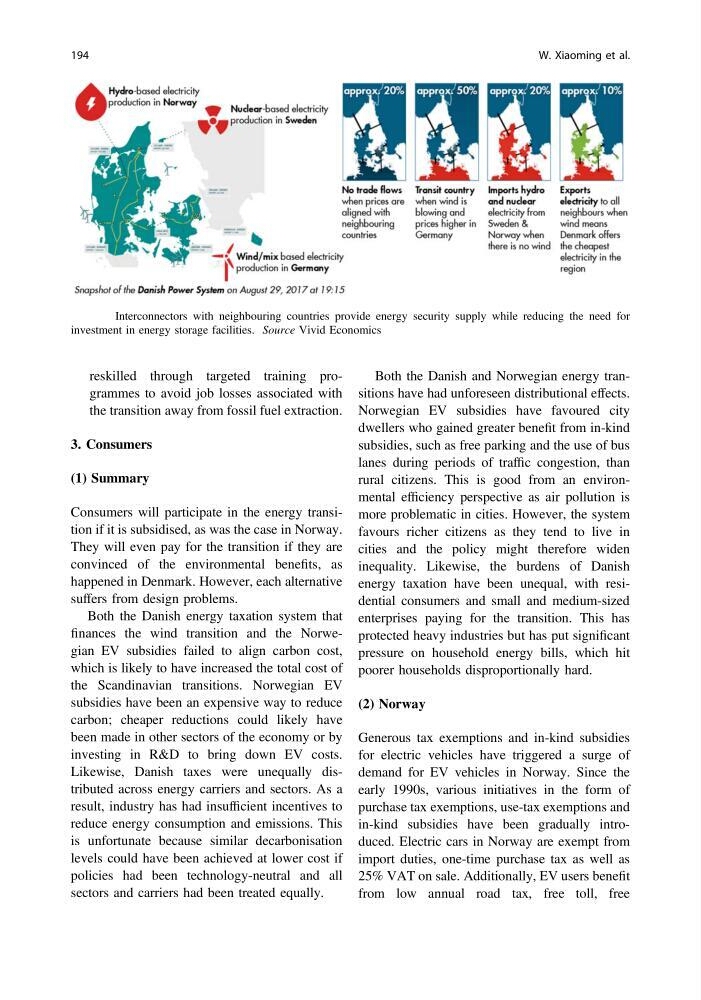
Fig. 80 Interconnectors with neighbouring countries provide energy security supply while reducing the need for
investment in energy storage facilities. Source Vivid Economics
194
W. Xiaoming et al.
the transition away from fossil fuel extraction.
3. Consumers
(1) Summary
Consumers will participate in the energy transition if it is subsidised, as was the case in Norway.
They will even pay for the transition if they are
convinced of the environmental benefits, as
happened in Denmark. However, each alternative
suffers from design problems.
Both the Danish energy taxation system that
finances the wind transition and the Norwegian EV subsidies failed to align carbon cost,
which is likely to have increased the total cost of
the Scandinavian transitions. Norwegian EV
subsidies have been an expensive way to reduce
carbon; cheaper reductions could likely have
been made in other sectors of the economy or by
investing in R&D to bring down EV costs.
Likewise, Danish taxes were unequally distributed across energy carriers and sectors. As a
result, industry has had insufficient incentives to
reduce energy consumption and emissions. This
is unfortunate because similar decarbonisation
levels could have been achieved at lower cost if
policies had been technology-neutral and all
sectors and carriers had been treated equally.
Both the Danish and Norwegian energy transitions have had unforeseen distributional effects.
Norwegian EV subsidies have favoured city
dwellers who gained greater benefit from in-kind
subsidies, such as free parking and the use of bus
lanes during periods of traffic congestion, than
rural citizens. This is good from an environmental efficiency perspective as air pollution is
more problematic in cities. However, the system
favours richer citizens as they tend to live in
cities and the policy might therefore widen
inequality. Likewise, the burdens of Danish
energy taxation have been unequal, with residential consumers and small and medium-sized
enterprises paying for the transition. This has
protected heavy industries but has put significant
pressure on household energy bills, which hit
poorer households disproportionally hard.
(2) Norway
Generous tax exemptions and in-kind subsidies
for electric vehicles have triggered a surge of
demand for EV vehicles in Norway. Since the
early 1990s, various initiatives in the form of
purchase tax exemptions, use-tax exemptions and
in-kind subsidies have been gradually introduced. Electric cars in Norway are exempt from
import duties, one-time purchase tax as well as
25% VAT on sale. Additionally, EV users benefit
from low annual road tax, free toll, free
Fig. 80 Interconnectors with neighbouring countries provide energy security supply while reducing the need for
investment in energy storage facilities. Source Vivid Economics
194
W. Xiaoming et al.