

Appendix 3: Lessons from Supply Revolutions in the Nordic Countries
1. Summary of our findings
Supply revolutions fundamentally change the
energy mix to meet the changing goals of society. Momentum for a supply revolution can
gather pace as economies develop and demand
new energy services or combat pollution, or
discover new energy resources and invent new
technologies, or face external supply shocks.
This involves the simultaneous uptake of new
fuels and the abandoning of existing fuels, or at
least an end to the growth of existing fuels. The
goals of China’s energy system are becoming
increasingly important: to improve energy quality and access, meet growing energy demand,
drive investment into new technology and
maintain energy security. They are likely to
necessitate a shift from coal to new energy
sources, such as gas, nuclear and renewable
power.
These goals cannot be met without the cooperation of stakeholders in the energy system. The
key stakeholders are consumers, who will ultimately pay for a transition; companies, who will
implement the transition; and energy workers,
whose livelihoods will depend on the transition.
These stakeholders must be considered by policymakers when planning a supply revolution, as
either their cooperation is needed, or their
opposition avoided.
The Nordic countries, in particular Denmark
and Norway, are at the frontier of reducing the
environmental impact of their energy systems.
Denmark is unique in having integrated very
high levels of variable wind power into its electricity system, while maintaining energy supply
security. Norway is a pioneer in adopting electric
vehicles and decarbonising its transport sector.
Despite their relatively small size, the energy
transitions of both Denmark and Norway offer
interesting lessons for China, as the Nordic
countries are global leaders in the energy
transition.
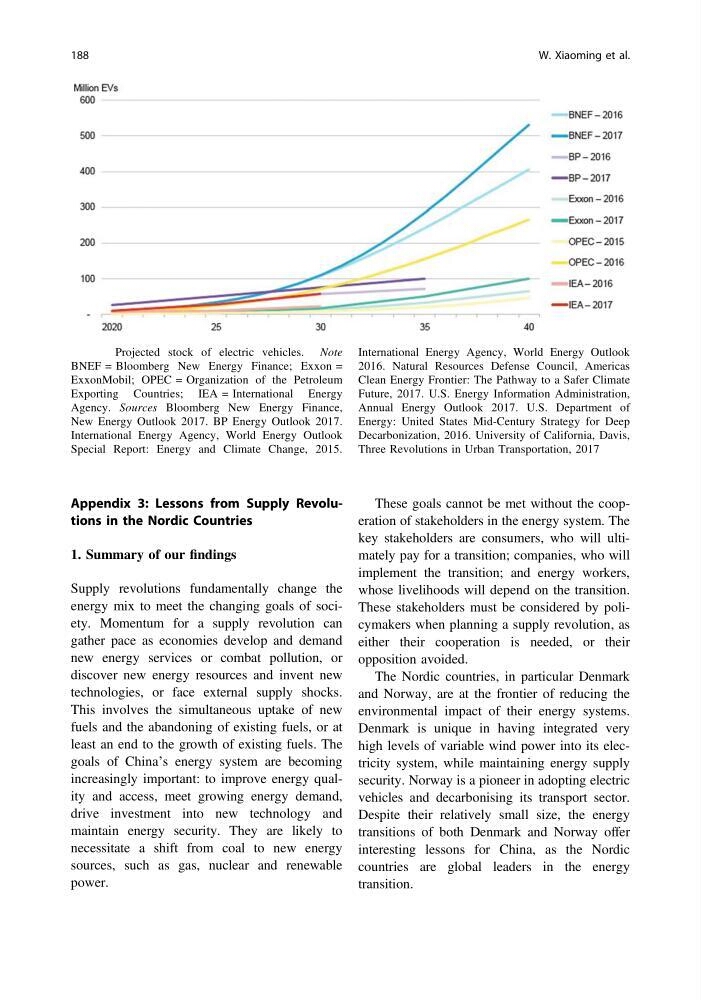
Fig. 76 Projected stock of electric vehicles. Note
BNEF = Bloomberg New Energy Finance; Exxon =
ExxonMobil; OPEC = Organization of the Petroleum
Exporting Countries; IEA = International Energy
Agency. Sources Bloomberg New Energy Finance,
New Energy Outlook 2017. BP Energy Outlook 2017.
International Energy Agency, World Energy Outlook
Special Report: Energy and Climate Change, 2015.
International Energy Agency, World Energy Outlook
2016. Natural Resources Defense Council, Americas
Clean Energy Frontier: The Pathway to a Safer Climate
Future, 2017. U.S. Energy Information Administration,
Annual Energy Outlook 2017. U.S. Department of
Energy: United States Mid-Century Strategy for Deep
Decarbonization, 2016. University of California, Davis,
Three Revolutions in Urban Transportation, 2017
188
W. Xiaoming et al.
1. Summary of our findings
Supply revolutions fundamentally change the
energy mix to meet the changing goals of society. Momentum for a supply revolution can
gather pace as economies develop and demand
new energy services or combat pollution, or
discover new energy resources and invent new
technologies, or face external supply shocks.
This involves the simultaneous uptake of new
fuels and the abandoning of existing fuels, or at
least an end to the growth of existing fuels. The
goals of China’s energy system are becoming
increasingly important: to improve energy quality and access, meet growing energy demand,
drive investment into new technology and
maintain energy security. They are likely to
necessitate a shift from coal to new energy
sources, such as gas, nuclear and renewable
power.
These goals cannot be met without the cooperation of stakeholders in the energy system. The
key stakeholders are consumers, who will ultimately pay for a transition; companies, who will
implement the transition; and energy workers,
whose livelihoods will depend on the transition.
These stakeholders must be considered by policymakers when planning a supply revolution, as
either their cooperation is needed, or their
opposition avoided.
The Nordic countries, in particular Denmark
and Norway, are at the frontier of reducing the
environmental impact of their energy systems.
Denmark is unique in having integrated very
high levels of variable wind power into its electricity system, while maintaining energy supply
security. Norway is a pioneer in adopting electric
vehicles and decarbonising its transport sector.
Despite their relatively small size, the energy
transitions of both Denmark and Norway offer
interesting lessons for China, as the Nordic
countries are global leaders in the energy
transition.
Fig. 76 Projected stock of electric vehicles. Note
BNEF = Bloomberg New Energy Finance; Exxon =
ExxonMobil; OPEC = Organization of the Petroleum
Exporting Countries; IEA = International Energy
Agency. Sources Bloomberg New Energy Finance,
New Energy Outlook 2017. BP Energy Outlook 2017.
International Energy Agency, World Energy Outlook
Special Report: Energy and Climate Change, 2015.
International Energy Agency, World Energy Outlook
2016. Natural Resources Defense Council, Americas
Clean Energy Frontier: The Pathway to a Safer Climate
Future, 2017. U.S. Energy Information Administration,
Annual Energy Outlook 2017. U.S. Department of
Energy: United States Mid-Century Strategy for Deep
Decarbonization, 2016. University of California, Davis,
Three Revolutions in Urban Transportation, 2017
188
W. Xiaoming et al.