

48
I. C. Ishak et al.
Independent Variables
Dependent Variable
Effective elements:
1. Equipment
2. Training
3. Management practices
Towards the oil spill
response
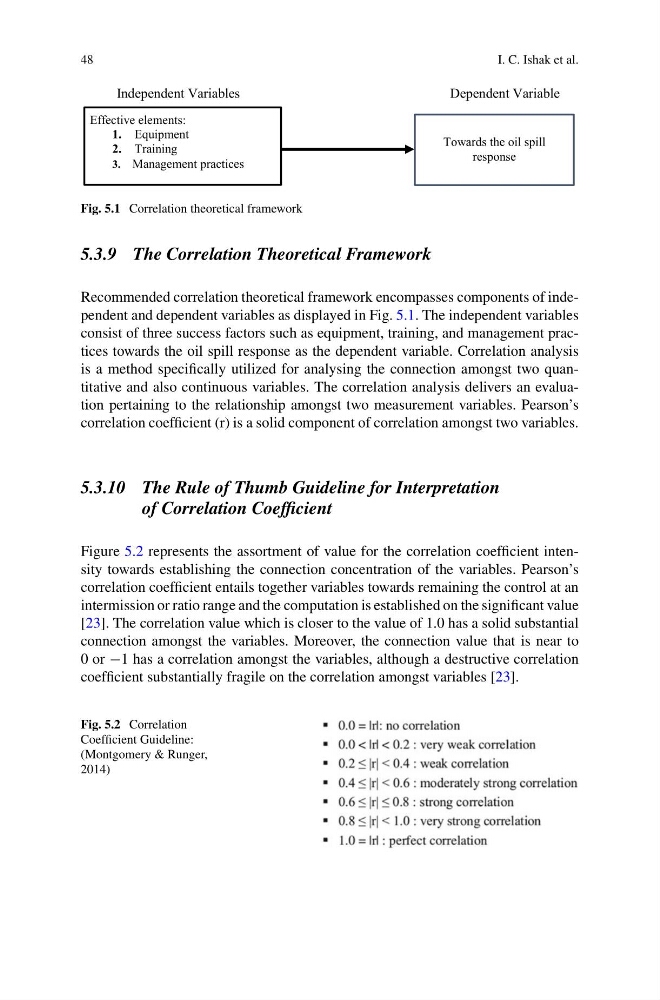
Fig. 5.1 Correlation theoretical framework
5.3.9 The Correlation Theoretical Framework
Recommended correlation theoretical framework encompasses components of independent and dependent variables as displayed in Fig. 5.1. The independent variables
consist of three success factors such as equipment, training, and management practices towards the oil spill response as the dependent variable. Correlation analysis
is a method specifically utilized for analysing the connection amongst two quantitative and also continuous variables. The correlation analysis delivers an evaluation pertaining to the relationship amongst two measurement variables. Pearson’s
correlation coefficient (r) is a solid component of correlation amongst two variables.
5.3.10 The Rule of Thumb Guideline for Interpretation
of Correlation Coefficient
Figure 5.2 represents the assortment of value for the correlation coefficient intensity towards establishing the connection concentration of the variables. Pearson’s
correlation coefficient entails together variables towards remaining the control at an
intermission or ratio range and the computation is established on the significant value
[23]. The correlation value which is closer to the value of 1.0 has a solid substantial
connection amongst the variables. Moreover, the connection value that is near to
0 or −1 has a correlation amongst the variables, although a destructive correlation
coefficient substantially fragile on the correlation amongst variables [23].
Fig. 5.2 Correlation
Coefficient Guideline:
(Montgomery & Runger,
2014)
I. C. Ishak et al.
Independent Variables
Dependent Variable
Effective elements:
1. Equipment
2. Training
3. Management practices
Towards the oil spill
response
Fig. 5.1 Correlation theoretical framework
5.3.9 The Correlation Theoretical Framework
Recommended correlation theoretical framework encompasses components of independent and dependent variables as displayed in Fig. 5.1. The independent variables
consist of three success factors such as equipment, training, and management practices towards the oil spill response as the dependent variable. Correlation analysis
is a method specifically utilized for analysing the connection amongst two quantitative and also continuous variables. The correlation analysis delivers an evaluation pertaining to the relationship amongst two measurement variables. Pearson’s
correlation coefficient (r) is a solid component of correlation amongst two variables.
5.3.10 The Rule of Thumb Guideline for Interpretation
of Correlation Coefficient
Figure 5.2 represents the assortment of value for the correlation coefficient intensity towards establishing the connection concentration of the variables. Pearson’s
correlation coefficient entails together variables towards remaining the control at an
intermission or ratio range and the computation is established on the significant value
[23]. The correlation value which is closer to the value of 1.0 has a solid substantial
connection amongst the variables. Moreover, the connection value that is near to
0 or −1 has a correlation amongst the variables, although a destructive correlation
coefficient substantially fragile on the correlation amongst variables [23].
Fig. 5.2 Correlation
Coefficient Guideline:
(Montgomery & Runger,
2014)